 comparison
Is Home Health Care Worth It for Cardiac Recovery?
Table of Contents
- What Home Health Care for Cardiac Recovery Involves
- Home Health Care vs Cardiac Rehab: Key Differences
- Cardiac Rehab at Home: What the Evidence Shows
- Home Health Care After Heart Surgery: Safety and Clinical Monitoring
- Caregiver Support After Open Heart Surgery: Rebuilding Strength
- Costs, Insurance Coverage, and When Home Care May Not Be Appropriate
- Is Home Health Care Worth It? A Practical Decision Framework
- Frequently Asked Questions
Last Updated: October 10, 2026
What Home Health Care for Cardiac Recovery Involves
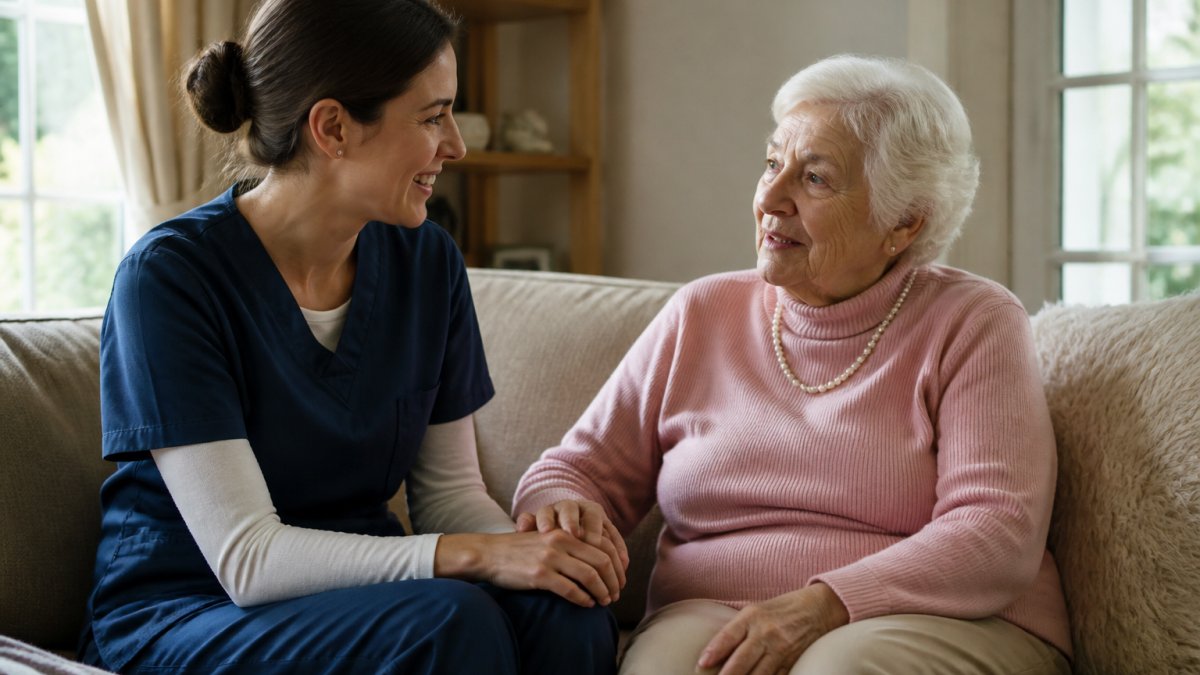
Home health care for cardiac recovery means receiving medical and therapeutic services in your own home after a heart attack, heart surgery, or other cardiac event. A care team typically includes nurses who monitor vital signs, physical therapists who guide exercise, dietitians who recommend heart-healthy eating, and caregivers who help with daily activities. The goal is to rebuild strength, manage medications, and reduce hospital readmission risk while recovering in a familiar environment.
Your care plan might include wound care, medication management, exercise instruction, nutritional counseling, and emotional support, tailored to your condition and recovery stage.
Home health care provides professional oversight without hospital constraints. You recover at your own pace in familiar surroundings, which often improves adherence to treatment plans.
Home Health Care vs Cardiac Rehab: Key Differences
Home health care and outpatient cardiac rehabilitation are distinct services that often complement each other.
Home health care brings medical professionals to your home for visits on a schedule that works for your life. This suits people who cannot travel easily or prefer to recover surrounded by family.
Outpatient cardiac rehabilitation happens at a clinic or hospital with supervised group exercise, monitored equipment, and educational classes 2-3 times per week for 8-12 weeks. This provides structured training and peer support.
Virtual cardiac rehabilitation combines elements of both, with remote monitoring via video or wearable devices and online classes.
The choice depends on your mobility, home support, and medical complexity. Many patients benefit from combining approaches: starting with home health care, then transitioning to outpatient or virtual programs as they gain strength.
Cardiac Rehab at Home: What the Evidence Shows
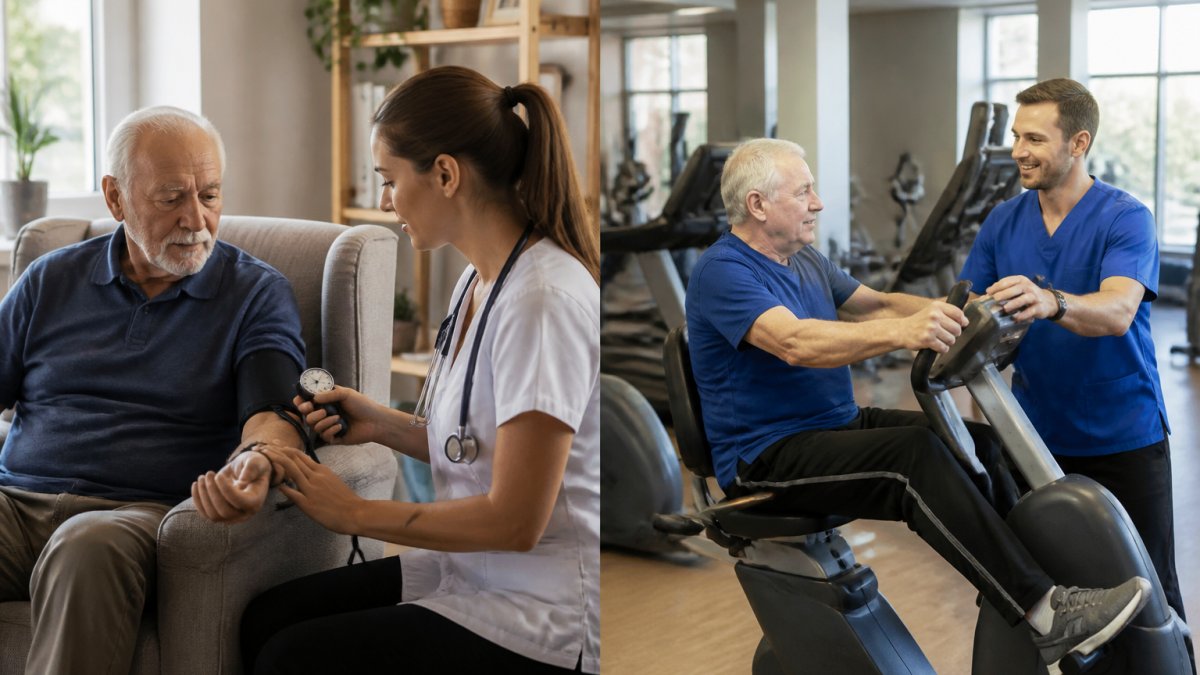
Home-based cardiac rehabilitation produces measurable benefits. Research shows supervised exercise and education at home can improve heart function, increase exercise capacity, and reduce anxiety.
Patients who complete home-based cardiac programs show improved fitness, reduced symptoms, and lower hospital readmission rates compared to those receiving no formal rehabilitation.
Home-based programs work best with regular clinical monitoring, structured exercise protocols, and patient education. Experienced nurses and therapists produce better outcomes than untrained caregivers.
Home programs cannot replicate the intensive, monitored group exercise environment of rehabilitation centers. If your condition requires continuous monitoring during exercise, clinic-based rehab may be safer.
Patient adherence improves when recovery happens at home, translating to better long-term health outcomes.
Home Health Care After Heart Surgery: Safety and Clinical Monitoring
Safety in home recovery depends on proper clinical oversight, clear warning signs, and reliable communication with your care team.
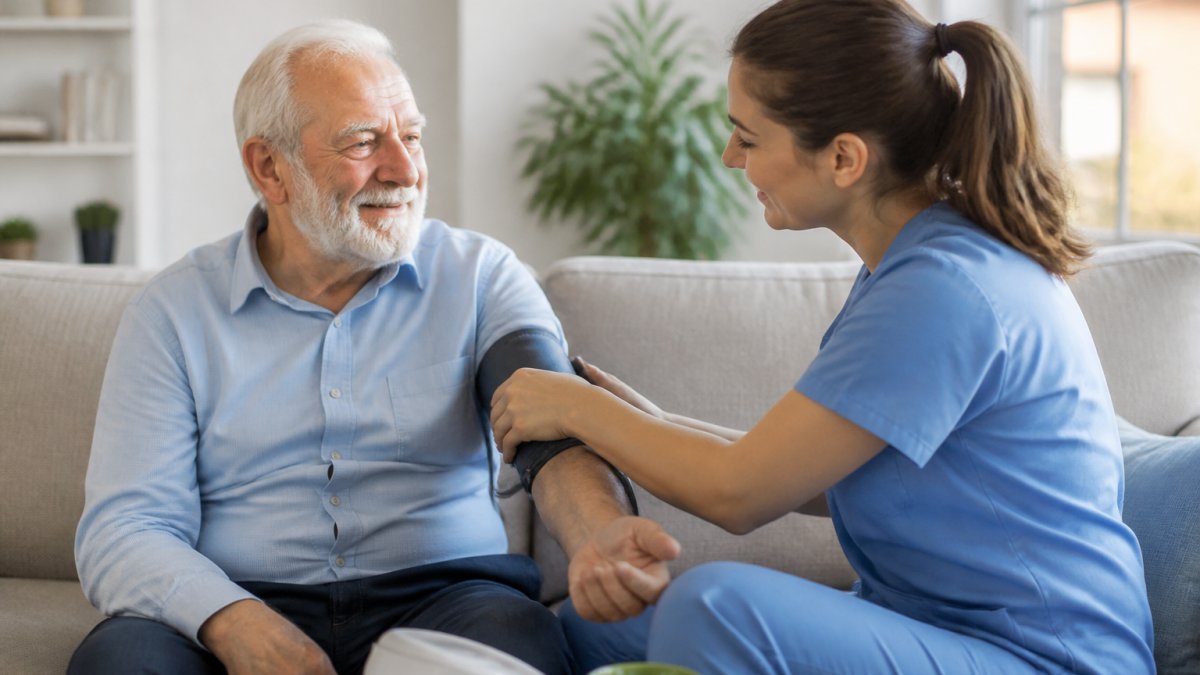
A typical monitoring plan includes weekly or twice-weekly nurse visits in the first month after surgery. The nurse checks your surgical wound for signs of infection, listens to your heart and lungs, measures blood pressure and heart rate, and reviews your medications. Many programs now include remote monitoring devices, portable blood pressure cuffs or pulse oximeters that send readings to your care team electronically. This technology allows nurses to spot concerning changes between visits.
Your care team will teach you and your family to recognize warning signs that require immediate medical attention: chest pain or pressure, severe shortness of breath, fever above 101 degrees, swelling in your legs, irregular heartbeat, or signs of infection at the surgical site. Having a clear plan, knowing whom to call and when, reduces anxiety and ensures you get help quickly if problems develop.
The safety of home recovery also depends on your home environment and support system. You need someone present to help with daily tasks while you heal. Stairs, slippery floors, or living alone without nearby family or friends increases risk. Your home should be set up to minimize falls and allow easy movement as you gradually increase activity.
Patients with complex medical histories, multiple medications, or complications from surgery may need more intensive monitoring than home care alone provides. Some people benefit from a short stay in a skilled nursing facility before transitioning home, allowing closer observation during the most vulnerable early recovery period.
Caregiver Support After Open Heart Surgery: Rebuilding Strength
Recovering from open heart surgery requires patience and gradual progression. A caregiver, whether a family member or professional home health aide, plays a crucial role in supporting safe, effective recovery.
In the first 2-4 weeks after surgery, most patients cannot drive, lift heavy objects, or perform strenuous activities. A caregiver handles shopping, cooking, laundry, and household tasks. As weeks progress, the focus shifts to gradually rebuilding strength through supervised movement and exercise.
Physical therapists guide this progression. Early exercises are gentle: short walks around the house, arm movements to prevent stiffness, breathing exercises to support lung function. As the surgical site heals and your energy improves, exercises become more challenging. By 6-8 weeks, many patients can walk for 20-30 minutes and resume light household activities. By 12 weeks, return to normal activities becomes possible for most people.
A skilled caregiver knows how to encourage progress without pushing too hard. They watch for signs of fatigue or chest discomfort that signal you need rest. They help you understand the difference between normal healing sensations and warning signs. This balance between support and independence builds your confidence in managing recovery.
Emotional support matters as much as physical help. Recovery from major surgery often brings anxiety, frustration, or depression. A compassionate caregiver who listens, reassures, and celebrates small victories helps you navigate these emotional aspects. Many people feel vulnerable after surgery and benefit from having someone they trust nearby.
Professional home health aides and nurses bring specialized knowledge about post-surgical care. They understand cardiac recovery protocols, recognize complications early, and teach proper techniques for safe movement. Family caregivers provide continuity and emotional connection but may lack medical training. Many families combine both: professional caregivers for skilled nursing and therapy, family members for daily support and companionship.
Costs, Insurance Coverage, and When Home Care May Not Be Appropriate
The cost of home health care varies widely depending on the type and frequency of services. Home health nursing, physical therapy, and aide services are priced separately. Insurance coverage, your specific needs, and local market rates all affect what you pay out of pocket.
Medicare covers home health services for patients who are homebound and have a medical need, ordered by a physician (Home Health Services). Coverage includes skilled nursing, physical therapy, occupational therapy, and speech therapy. Medicare does not typically cover non-medical caregiving or personal care unless it is part of a skilled service. You generally pay nothing for Medicare-covered home health services if your provider is Medicare-certified and you meet eligibility requirements.
Private insurance coverage varies by plan. Some plans cover home health services similar to Medicare; others offer limited coverage. You should contact your insurance company to understand your specific benefits, any visit limits, and whether prior authorization is required.
For patients without insurance or with limited coverage, home health care can be expensive. Private pay rates for home health aides range widely but are generally less costly than facility-based care. Many agencies offer flexible scheduling and package pricing to help manage costs.
Home health care may not be appropriate for everyone. If you live alone without nearby family support and have no one to help with daily needs, home recovery becomes risky. If your condition requires continuous medical monitoring or frequent emergency interventions, a skilled nursing facility or hospital setting may be safer. Patients with severe cognitive impairment, active substance abuse, or unsafe home environments may not succeed with home-based care.
Home health care also requires patient cooperation. If you cannot follow medical instructions, refuse medications, or are unwilling to participate in rehabilitation, home care programs struggle to be effective. Success depends partly on your commitment to recovery.
Is Home Health Care Worth It? A Practical Decision Framework
Deciding whether is home health care worth it for cardiac recovery requires honest assessment of your medical needs, home environment, support system, and values. This framework helps guide the decision.
Start with medical appropriateness. Ask your cardiologist: Is my condition stable enough for home recovery? Do I need continuous monitoring or frequent clinical visits? Are there complications that require facility-based care?
Evaluate your support system. Do you have family or friends who can help with daily tasks? Can someone be present during the day? Do you have reliable transportation if you need to get to appointments?
Assess your home environment. Are stairs manageable as you recover? Do you have a safe bathroom? Is the bedroom on the main floor or accessible? Can you modify your home to reduce fall risk?
Consider your preferences and values. Do you want to recover at home surrounded by family? Or do you prefer the structured environment and peer support of a rehabilitation facility?
Compare realistic costs. Get specific quotes for home health services you would actually need. Compare this to the cost of outpatient rehabilitation or facility-based care. Factor in any insurance coverage.
Plan for the transition. Home health care works best as part of a larger recovery plan. You might start with intensive home care in the first weeks after surgery, then transition to outpatient rehabilitation as you gain strength.
The honest answer: home health care is worth it if it is medically appropriate, supported by your living situation and family, and aligned with how you want to recover.
At Katys home healthcare, we help families navigate this decision by explaining what home-based cardiac recovery involves. We believe recovery is most successful when patients feel supported, safe, and empowered to regain their independence.
| Consideration | Home Health Care | Outpatient Rehab | Skilled Nursing Facility |
|---|---|---|---|
| Recovery location | Your home | Clinic or hospital | Facility |
| Medical monitoring | Nurse visits, remote devices | Supervised sessions | Continuous staff presence |
| Exercise guidance | One-on-one or small groups | Group classes, monitored equipment | Structured programs |
| Daily support | Family or hired caregivers | Limited to appointment times | 24/7 care provided |
| Cost | Contact us for current pricing | Contact us for current pricing | Contact us for current pricing |
| Best for | Stable patients with home support | Patients needing intensive training | Complex cases, no home support |
Cardiac recovery is a process that looks different for every person. Whether is home health care worth it for cardiac recovery depends on real benefits like comfort, independence, personalized attention, and often better long-term adherence to healthy habits.
If you're considering home-based cardiac recovery in Ohio or North Carolina, Katys home healthcare provides 24/7 care with a seasoned team experienced in helping patients regain strength and confidence after cardiac events.
Frequently Asked Questions
Is home health care the same as cardiac rehabilitation?
No. Home health care provides nursing, physical therapy, and personal assistance in your home. Cardiac rehabilitation is a structured exercise and education program designed specifically to rebuild heart strength after a cardiac event. They serve different purposes: home health care supports daily living and recovery, while cardiac rehab focuses on cardiovascular conditioning. Some patients benefit from both simultaneously or sequentially, depending on their clinical needs and eligibility.
How long do you need a caregiver after open heart surgery?
Recovery timelines vary based on the type of surgery, your age, and overall health. Most patients need assistance for 4-8 weeks after open heart surgery, particularly with wound care, medication management, and mobility. Your care team will assess your progress and adjust support accordingly. Some patients transition from 24/7 care to part-time assistance as strength returns. Your surgeon and home health team will establish a specific timeline based on your individual recovery.
Can you do cardiac rehab and home health care at the same time?
Yes, many patients benefit from combining both services. Home health care provides in-home nursing and daily living support, while outpatient or virtual cardiac rehab delivers structured exercise training and heart health education. Some home health agencies coordinate with cardiac rehab programs to ensure consistent, complementary care. This combination can be particularly valuable during early recovery when you need both clinical monitoring and structured exercise guidance. Ask your cardiologist whether this approach fits your situation.
Who qualifies for home health care after a heart event?
Eligibility depends on your medical condition, recovery stage, and insurance coverage. Generally, patients recovering from heart attack, heart surgery, or acute heart failure episodes may qualify if they are homebound or have limited mobility and need skilled nursing or therapy. Your physician must order home health services, and Medicare or your insurance will evaluate medical necessity. Coverage varies significantly, so contact your insurance provider and discuss your situation with your cardiologist to confirm eligibility and what services are covered.