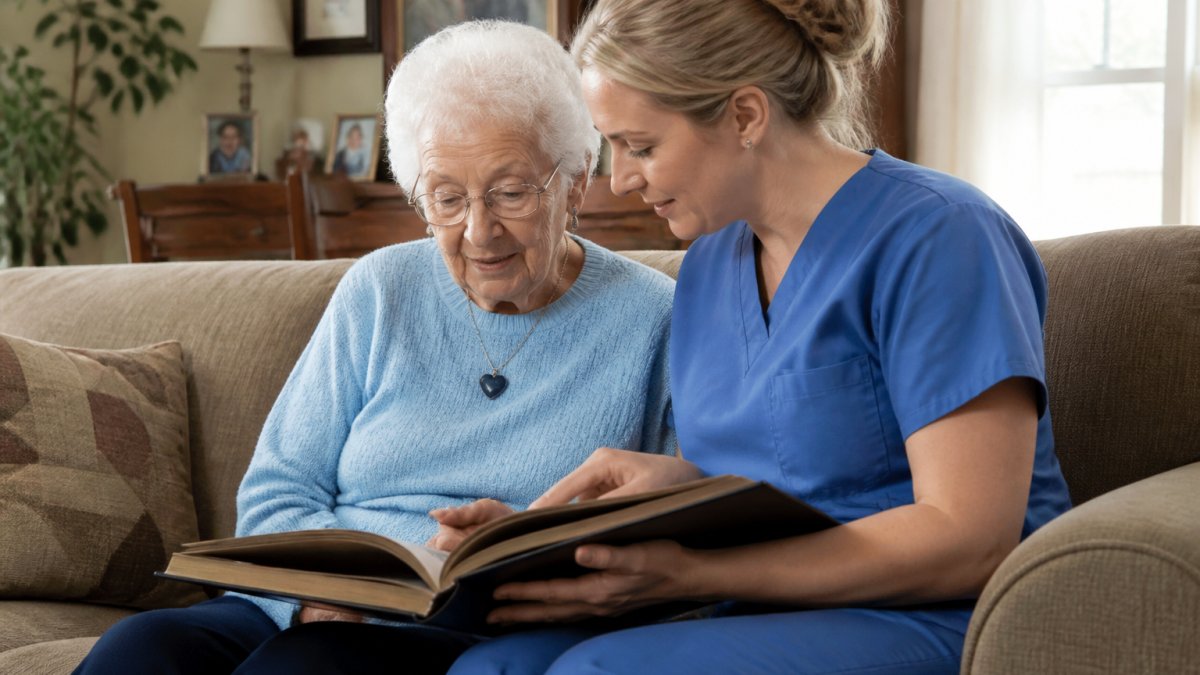
 comparison
Is Private Duty Nursing Worth It for Dementia Patients?
Table of Contents
- What Private Duty Nursing Offers for Dementia Patients
- Private Duty Nurse vs. Caregiver: Key Differences
- Cost of Private Duty Nursing and Budget Considerations
- 24-Hour Care for Dementia Patients: When It Becomes Necessary
- Dementia Care at Home vs. Nursing Home: Making the Right Choice
- Safety, Medication Management, and Medical Monitoring
- Is Private Duty Nursing Right for Your Situation?
- Frequently Asked Questions
Last Updated: October 10, 2026
What Private Duty Nursing Offers for Dementia Patients
Private duty nursing is specialized, one-on-one care provided in the home by a licensed nurse or certified nursing assistant who works exclusively with one patient. For dementia patients, determining whether is private duty nursing worth it for dementia patients requires understanding how individualized attention addresses the unique challenges that come with cognitive decline, memory loss, and behavioral changes that standard home care often cannot manage alone.
Dementia fundamentally changes how a person functions. Patients may forget basic hygiene, refuse medication, or become agitated during care routines. Standard caregivers can help with bathing and dressing, but lack the medical training to spot early warning signs of infection, manage complex medication schedules, or respond to behavioral crises with clinical judgment.
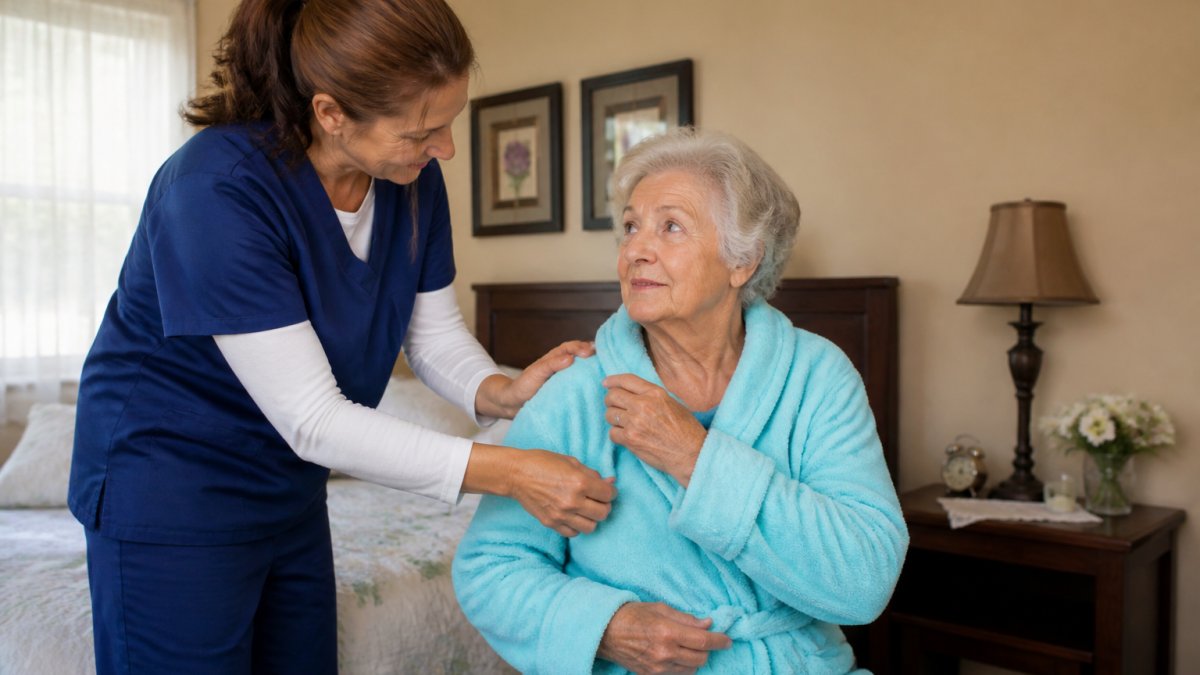
Private duty nursing bridges that gap. A nurse monitors vital signs, manages medications, identifies changes in condition before they become emergencies, and provides medical oversight while allowing your loved one to remain in familiar surroundings, a significant advantage for dementia patients, who often become more confused when moved to unfamiliar environments.
At Katys home healthcare, we understand that dementia care requires both clinical skill and emotional intelligence, combining medical training with the patience and compassion needed to maintain patient dignity and independence.
The real value of private duty nursing for dementia patients comes down to three things: medical safety, behavioral support, and peace of mind for exhausted family members.
Private Duty Nurse vs. Caregiver: Key Differences
Understanding the distinction between a private duty nurse and a standard home health aide helps you decide whether nursing-level care is necessary for your situation.
A home health aide is trained to help with activities of daily living: bathing, dressing, grooming, toileting, and meal preparation. They follow care plans but cannot administer injections, manage complex medications, or assess clinical changes. Aides cost less and work well for patients with stable medical conditions.
A private duty nurse (RN or LPN) performs all aide tasks plus medical interventions: assessing vital signs, managing medications, monitoring wounds, recognizing signs of infection or decline, and adjusting care plans based on clinical observation. They respond to emergencies with clinical judgment rather than calling 911 for every problem.
For dementia patients, a nurse's ability to monitor cognition, behavior, and physical health simultaneously is critical. A patient may refuse food due to swallowing difficulty or become aggressive due to a urinary tract infection, not behavioral decline. A nurse recognizes and tests for these conditions; an aide follows the care plan.
Private duty nursing, especially 24-hour coverage, represents a substantial investment. Whether it's justified depends on your parent's dementia stage, medical complexity, and your family's capacity to manage behavioral crises and medical monitoring.
Cost of Private Duty Nursing and Budget Considerations
Private duty nursing is expensive, with costs varying widely by hours, location, and care level.
Hours of coverage matter most: part-time care costs less than 24-hour live-in care. Geographic location affects pricing. Nurse credentials matter: RNs cost more than LPNs. Agency versus independent hire: agencies handle payroll and liability but take a percentage; independent nurses cost less but require you to manage employment taxes.
To understand what private duty nursing might cost in your situation, use resources like CareScout's cost-of-care estimator, which breaks down median long-term care costs by state and care type. This gives you a baseline for comparison, though specific pricing depends on your local market and the intensity of care needed.
Medicare does not cover private duty nursing unless it's part of a skilled home health plan following hospitalization, and coverage is time-limited. Medicaid covers some services in some states. Long-term care insurance may cover it. Most families pay out of pocket or use a combination of benefits and savings.
Private duty nursing is an investment in safety and peace of mind. If you're managing your parent's care alone and burning out, it may be cheaper than a medical crisis or hospitalization.
24-Hour Care for Dementia Patients: When It Becomes Necessary
Not every dementia patient needs 24-hour private duty nursing, but certain situations make it essential.
Wandering and elopement risk is a clear indicator. Patients may leave the house at night and become lost within minutes. A 24/7 caregiver prevents tragedy, especially for patients living alone or in homes where family members work full-time.
Severe behavioral changes or aggression require 24-hour oversight. Overnight care is particularly important because sundowning, increased confusion and agitation in late afternoon and evening, is common in dementia and difficult for family members to manage alone.
Complex medical needs paired with dementia make 24-hour nursing necessary. Patients on multiple medications, with feeding tubes, or recovering from surgery may forget doses, remove devices, or have emergencies when no one is awake.
Caregiver burnout or absence sometimes forces the decision. If you're exhausted or unable to continue, 24-hour care becomes the only safe option, at least temporarily.
The decision isn't always black and white. Many families start with part-time care, say, 8 hours per day, and increase hours as dementia progresses. Others use overnight care only, with family providing daytime supervision. The key is assessing your parent's actual risks and your family's realistic capacity to manage them.
Dementia Care at Home vs. Nursing Home: Making the Right Choice
This is the central question many families face: Can my parent with dementia stay home safely with private duty nursing, or should they move to a memory care community?
There's no universal answer, but the trade-offs are clear. Aging in place at home offers continuity, familiar surroundings, and the comfort of personal possessions and routines. For many dementia patients, this familiarity reduces confusion and anxiety.
The downsides are real. Home care is expensive, especially 24-hour coverage. It requires managing hiring, payroll, and backup coverage if your regular caregiver gets sick. It's emotionally taxing for families who remain involved in daily care decisions.
Memory care communities or specialized dementia units in nursing homes offer a different model. Staff are trained in dementia care, medications are managed centrally, activities are structured for cognitive engagement, and there's built-in backup if a caregiver is absent.
The downsides: cost is still high (often comparable to 24-hour private duty care), the patient loses their home and familiar surroundings, family involvement decreases, and quality varies widely between facilities. Some communities are excellent; others are understaffed and neglectful.
The practical decision framework: Home care with private duty nursing makes sense if your parent is in early to moderate dementia, has a safe home environment, has family able to coordinate care, and can afford the cost.
Many families don't choose one or the other permanently. They may use private duty nursing at home for 1-2 years, then transition to memory care as dementia advances and care needs exceed what home-based care can manage.
Safety, Medication Management, and Medical Monitoring
For dementia patients, the clinical value of private duty nursing centers on three things: preventing accidents, managing medications correctly, and catching medical problems early.
Safety and fall prevention are constant concerns. Dementia patients lose spatial awareness, forget where stairs are, trip over objects they don't see, and may not understand how to use a walker or cane correctly. A private duty nurse watches for fall hazards, helps the patient move safely, and responds immediately if a fall occurs.
Medication management is critical and often overlooked. A dementia patient may forget whether they've taken their medication, hide pills, or refuse to take them. They may take the same dose twice or skip doses entirely. A private duty nurse ensures medications are taken correctly, at the right time, in the right dose.
Medical monitoring means a nurse is present to notice changes. Is your parent eating less? Sleeping more? Becoming more confused? Running a fever? Complaining of pain? A nurse documents these observations and communicates them to the physician.
A private duty nurse also manages medical devices and wound care if needed. They change wound dressings, monitor for infection, manage catheters or feeding tubes, and ensure medical equipment is functioning properly.
Is Private Duty Nursing Right for Your Situation?
To decide whether is private duty nursing worth it for dementia patients in your parent's situation, ask yourself these questions honestly:
What is your parent's stage of dementia? Early-stage patients often do well with part-time care and family oversight. Late-stage patients with behavioral issues, wandering risk, or complex medical needs typically require more intensive supervision.
What are the specific safety risks? Wandering, medication refusal, falls, behavioral aggression, and medical complexity all point toward needing nursing-level care.
Can your family realistically provide supervision? If you work full-time and live far away, 24-hour private duty nursing may be the only safe option.
What's your budget, and what coverage do you have? If Medicaid covers some services or you have long-term care insurance, private duty nursing becomes more affordable.
Is your parent's home safe and suitable? A single-story, accessible home with minimal fall hazards is easier to manage with care at home.
What's your burnout level? If you're exhausted, missing work, or unable to continue caregiving, private duty nursing, even if expensive, may be cheaper than a medical crisis or your own health decline.
Private duty nursing is worth it when the alternative is unsafe care, family crisis, or a medical emergency that could have been prevented.
Katys home healthcare has worked with families across Ohio and North Carolina to find the right care model for their situation. Our team understands that dementia care isn't one-size-fits-all.
The decision about private duty nursing for a dementia patient is one of the most significant choices a family will make. It combines medical necessity, financial reality, and emotional complexity.
Frequently Asked Questions
What does a private duty nurse do for someone with dementia?
A private duty nurse provides skilled medical monitoring, medication management, and assistance with activities of daily living tailored to your loved one's cognitive decline. They monitor for early warning signs of health changes, help prevent falls and wandering, offer emotional support and companionship, and coordinate with physicians on the care plan. Unlike a general caregiver, they can perform clinical assessments and adjust care based on medical needs, providing both supervision and skilled nursing care in the familiar comfort of home.
How do you know when a person with dementia needs 24-hour care?
A person with dementia typically needs 24-hour care when they pose a safety risk to themselves (wandering, forgetting to eat or take medication), have advanced cognitive decline affecting judgment, experience behavioral changes or aggression, require frequent medical monitoring, or cannot safely be left alone. If a family caregiver is exhausted and the person requires constant supervision to prevent falls or injuries, round-the-clock care becomes essential. A care assessment by a healthcare professional can help determine whether your loved one's needs exceed what part-time or daytime care can provide.
Is private duty nursing worth the cost for dementia care?
The value depends on your loved one's stage of dementia, medical complexity, safety needs, and your family's financial capacity. Private duty nursing becomes most worthwhile when skilled medical monitoring is needed, behavioral or safety challenges require trained expertise, or family caregivers are at risk of burnout. It allows your loved one to age in place with dignity and independence support while giving families peace of mind. Compare the cost against alternatives like nursing home placement, and consider whether reduced hospital readmissions and improved quality of life justify the investment for your situation.
Do dementia patients do better at home or in a nursing home?
Many dementia patients thrive at home when they receive adequate support, as familiar surroundings, daily routines, and one-on-one care reduce confusion and anxiety. Home-based care with private duty nursing or caregivers can slow cognitive decline and preserve independence longer. However, nursing homes may be necessary if the patient requires 24/7 medical care, poses severe safety risks, or has behavioral needs that exceed what home care can safely provide. The best choice depends on the patient's stage of dementia, medical needs, family resources, and whether consistent, qualified care can be maintained at home.
How is private duty nursing different from dementia home care?
Private duty nursing includes skilled clinical services: medication management, medical monitoring, wound care, and coordination with physicians. Dementia home care typically focuses on personal care, companionship, activities of daily living support, and supervision without clinical nursing skills. Private duty nurses can identify early warning signs, adjust care plans based on health changes, and provide interventions that prevent hospital readmissions. Choose private duty nursing if your loved one has complex medical needs; choose home care if they need assistance with daily activities and supervision but don't require skilled nursing.