 ultimate-guide
Home Health Care for Dementia Patients: A Guide
Table of Contents
- What Home Health Care for Dementia Patients Involves
- Signs a Dementia Patient Needs 24/7 Care
- Activities of Daily Living for Dementia Patients
- Safety Modifications for Dementia Homes
- Medicare Coverage for Dementia Home Care
- Managing Behavioral Symptoms and Caregiver Support
- Choosing the Right Home Health Care Provider
- Frequently Asked Questions
Last Updated: August 27, 2026
What Home Health Care for Dementia Patients Involves
Home health care for dementia patients brings trained caregivers into the home to support activities of daily living, manage behavioral symptoms, and provide the consistent presence that cognitive decline demands. Unlike facility-based care, this approach allows patients to remain in familiar surroundings where they feel most comfortable and secure.
At Katys home healthcare, we understand that dementia affects memory, decision-making, physical coordination, and emotional regulation. Home health care addresses these challenges through personal care assistance, medication management, cognitive stimulation, and safety monitoring. Caregivers help with grooming, bathing, dressing, meal preparation, and toileting while monitoring for health changes, preventing wandering, managing behavioral episodes like sundowning, and providing companionship that combats isolation.
This type of care is particularly valuable because it allows aging in place. Research from the Centers for Disease Control and Prevention shows that familiar environments reduce disorientation and anxiety in people with cognitive decline. For many families, home health care for dementia patients becomes the bridge between independent living and facility-based memory care.
Signs a Dementia Patient Needs 24/7 Care
A dementia patient needs 24/7 care when cognitive decline and behavioral symptoms make independent living unsafe. Common warning signs include frequent wandering, inability to recognize family members, aggressive behavior during personal care, severe confusion about time and place, incontinence requiring constant attention, and inability to operate appliances or manage medications safely.
Another critical indicator is caregiver burnout. When family members are exhausted or unable to manage behavioral crises, the patient's care quality suffers. Many adult children working full-time while managing a parent's dementia find that 24/7 professional care is the only realistic option. According to the Alzheimer's Association, behavioral symptoms and safety concerns are the primary drivers of the transition from family care to professional support.
Safety hazards multiply in advanced dementia. A patient may take medication twice, leave the stove on, fall repeatedly, or become violent during personal care. These risks demand constant monitoring. Home health care for dementia patients provides that professional presence while allowing the patient to remain at home.
Activities of Daily Living for Dementia Patients
Activities of daily living, or ADLs, are the basic self-care tasks that define independence. The six core ADLs are bathing, dressing, toileting, transferring, continence management, and eating (the NIH). In early-stage dementia, patients may need reminders; as the disease progresses, they require hands-on assistance.
Toileting and continence management present particular challenges. Many dementia patients forget where the bathroom is or lose awareness of bodily signals. Professional caregivers handle this with compassion, using protective products discreetly and preventing infections that commonly follow incontinence episodes.
Eating becomes complicated as dementia advances. Patients may forget they've eaten, refuse food, or have difficulty swallowing. Caregivers monitor nutrition, adapt food textures when necessary, and create calm mealtimes that support both nourishment and connection.

Beyond these six core ADLs, instrumental activities of daily living, or IADLs, include medication management, meal preparation, housekeeping, laundry, and managing finances. Dementia patients lose the ability to perform these tasks early in disease progression. Home health care for dementia patients addresses both ADLs and IADLs, creating an environment where safety and comfort are maintained.
Safety Modifications for Dementia Homes
A home safe for a cognitively intact person becomes hazardous for someone with dementia. Stoves left on, accessible medications, stairs, and clutter all become dangers.
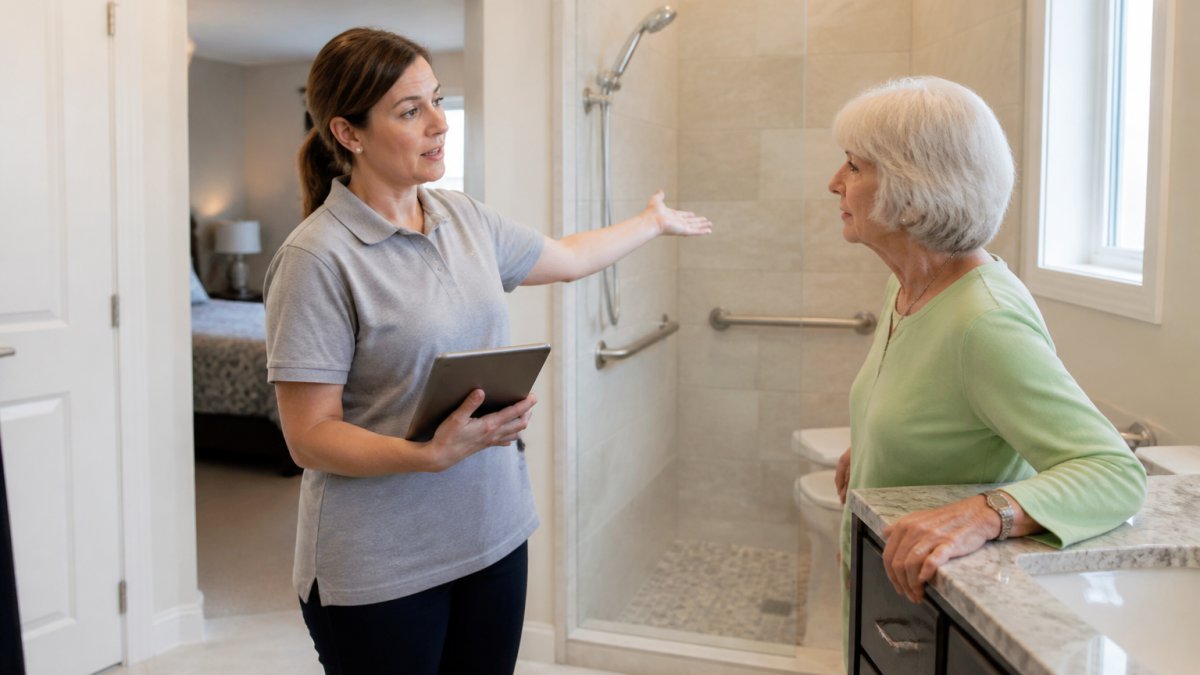
Effective home safety modifications start with a professional assessment that identifies specific risks based on the patient's current abilities and behaviors. For someone prone to wandering, this means securing doors and windows. For someone with balance problems, it means removing tripping hazards and installing grab bars. For someone who forgets to turn off appliances, it means removing access to the stove or installing automatic shut-off features.
Common safety modifications include motion-sensor lighting, removing throw rugs and clutter, securing medications in locked cabinets, installing grab bars in bathrooms, improving lighting, using non-slip mats, securing hazardous items, using door locks that prevent wandering, installing bed rails, and creating clear pathways through the home.
Technology now offers additional safety tools. Motion sensors can alert caregivers if a patient leaves the home. GPS-enabled devices can track a wandering patient. Fall detection systems alert caregivers to falls. Video monitoring allows caregivers to observe patients in different rooms.
Medicare Coverage for Dementia Home Care
Medicare Part A covers skilled nursing care and home health aide services only under specific conditions: the patient must be homebound, a physician must order the care, and the care must be medically necessary and skilled in nature. This means Medicare typically covers wound care, physical therapy, or skilled nursing assessment, not custodial care like bathing, dressing, or companionship.
Medicaid, the joint federal-state program for low-income individuals, often provides more comprehensive coverage for home care, including personal care assistance. However, Medicaid eligibility and benefits vary significantly by state. Long-term care insurance, if a patient has a policy, may cover home health care for dementia patients depending on policy terms and when it was purchased.
For most families, home health care for dementia patients is paid out-of-pocket, through a combination of insurance, savings, and family contribution. Veterans may have additional benefits through the VA. Discussing financial options with a care advisor or elder law attorney helps families understand what's available and plan accordingly.
Managing Behavioral Symptoms and Caregiver Support
Behavioral symptoms are often the most challenging aspect of dementia care. These include aggression, verbal abuse, wandering, sundowning, repetitive questioning, refusal to bathe or eat, and combative behavior during personal care. These symptoms aren't intentional; they're neurological responses to confusion and fear.
Trained caregivers understand that behavior is communication. When a dementia patient becomes aggressive during bathing, they may be frightened by water, uncomfortable with being touched, or disoriented about what's happening. The caregiver's job is to recognize the trigger and adjust the approach.
Sundowning is a common symptom where confusion and anxiety intensify in evening hours. Caregivers manage this through consistent routines, increased lighting in late afternoon, calming activities, and sometimes medication prescribed by a physician. Wandering prevention combines environmental design, GPS monitoring, and structured activities that reduce restlessness.
Caregiver support is equally critical. Family members providing care alongside professionals often experience significant stress, depression, and health problems. Professional home health care for dementia patients provides respite care, allowing family members to rest, work, and maintain their own health. Many families benefit from dementia-specific support groups, counseling, and education about behavioral management.
Choosing the Right Home Health Care Provider
Selecting a home health care provider is one of the most important decisions a family makes. Start by clarifying what you need: 24/7 live-in care or part-time assistance? Skilled nursing or personal care? What specific challenges is your loved one facing?
Verify credentials and training. Ask whether caregivers are trained specifically in dementia care. Ask about background checks, reference verification, and ongoing training. Consistency matters enormously. A different caregiver every week confuses the patient and makes it harder to build trust. Ask whether the provider can assign the same caregiver or a small team of familiar faces.
Discuss behavioral challenges directly. Tell the provider about aggressive episodes, wandering tendencies, or refusal to bathe. Ask how they've handled similar situations. A provider who dismisses these concerns is not being realistic.
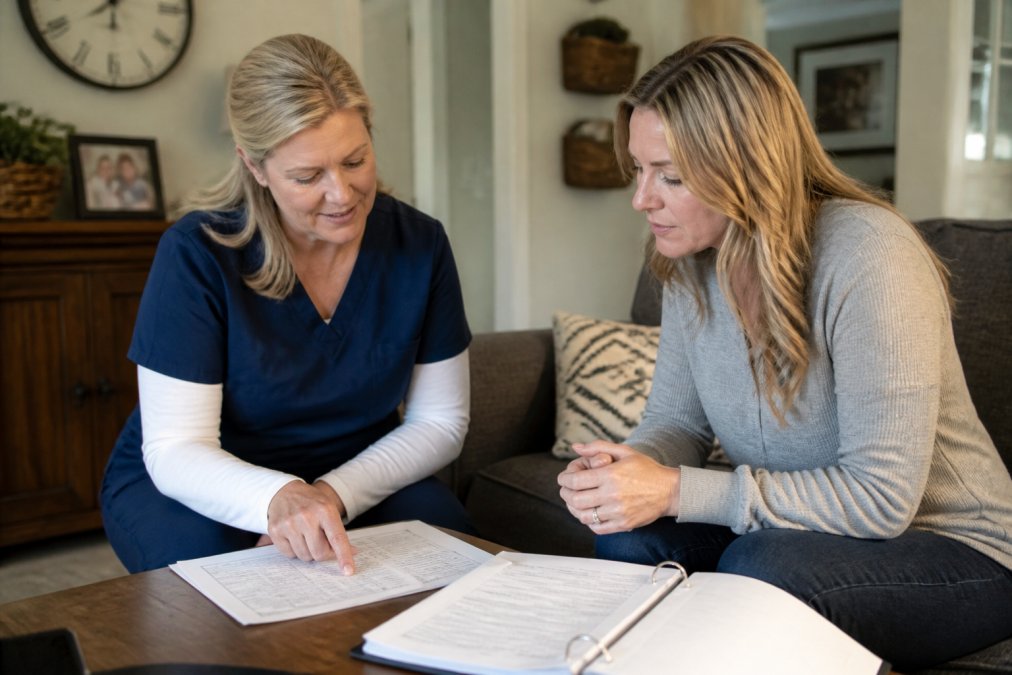
Insurance and payment are practical but important. Ask which insurance plans they accept, whether they bill Medicare or Medicaid directly, and what out-of-pocket costs look like. Ask about cancellation policies, minimum hours, and flexibility if your loved one's needs change.
At Katys home healthcare, we've served patients and families for over a decade in Ohio and North Carolina. Our caregivers receive specialized training in dementia care, behavioral management, and person-centered approaches. We assign consistent caregivers whenever possible, conduct thorough background screening, and work closely with families to address specific challenges. Our 24/7 availability means you can get support when you need it.
Trust your instincts. Meet potential caregivers. Watch how they interact with your family member. The right provider will listen, respect your loved one's dignity, and communicate openly about what's working and what needs adjustment.
Choosing home health care for dementia patients is a significant decision, but it doesn't have to mean losing your loved one to a facility. With the right support, your family member can age in place with dignity, safety, and the comfort of familiar surroundings. At Katys home healthcare, we specialize in providing compassionate, professional care that helps dementia patients maintain independence and quality of life. Our trained caregivers understand the neurological changes dementia brings and know how to respond with patience and expertise. Reach out to learn how we can support your family.
Frequently Asked Questions
Does Medicare cover home health care for dementia patients?
Medicare Part A covers skilled home health care when ordered by a physician and provided by a Medicare-certified home health agency. Coverage includes nursing, therapy, and aide services for patients who are homebound. However, Medicare does not cover custodial or personal care services like bathing or dressing unless they are part of a skilled care plan. For detailed coverage specifics, contact Medicare directly or speak with your healthcare provider about what services qualify under your situation.
What are the signs a dementia patient needs 24/7 care?
Signs that indicate 24/7 care is necessary include severe cognitive decline affecting memory and judgment, inability to manage medications safely, wandering or getting lost in familiar places, aggressive or unsafe behavioral symptoms, incontinence requiring constant monitoring, inability to perform activities of daily living without assistance, and risk of falls or self-harm. Additionally, if a primary caregiver shows signs of burnout or cannot safely provide supervision alone, professional 24/7 care becomes essential. A healthcare provider can assess your loved one's specific needs.
How do I know if a home health care provider is trustworthy?
Verify that caregivers have passed background checks and are trained in dementia care. Ask about staff certifications, whether they specialize in behavioral management, and how the agency handles staff consistency so you work with familiar faces. Request references from current clients and ask about their experience with aggressive or resistant patients. Meet potential caregivers before services begin, discuss your loved one's specific needs, and confirm the agency's protocols for handling emergencies and person-centered care.
What activities of daily living do dementia patients need help with?
As dementia progresses, patients often need assistance with bathing, dressing, grooming, toileting, and managing incontinence. They may require help preparing meals, taking medications on schedule, and managing nutrition. Trained caregivers also support mobility, prevent falls, manage behavioral symptoms like sundowning, and provide social engagement to reduce isolation. The level of support depends on the stage of cognitive decline and functional impairment, which should be assessed through a care plan developed with healthcare professionals.
This article was written using GrandRanker