 ultimate-guide
24/7 Home Care Services in Ohio: A Complete Guide
Table of Contents
- What 24/7 Home Care Services Include
- Personal Care vs. Skilled Nursing: Understanding Your Options
- Ohio Home Care Waiver Eligibility and How It Works
- Cost of 24-Hour Home Care Per Month
- Hiring Private Caregivers vs. Agencies: What Sets Them Apart
- How to Choose a Home Care Agency in Ohio
- Transitioning from Hospital to Home and Managing Caregiver Burnout
- Conclusion
- Frequently Asked Questions
Last Updated: August 17, 2026
What 24/7 Home Care Services Include
24/7 home care services are comprehensive, round-the-clock support designed to help individuals maintain independence and quality of life while remaining in their own homes. These services combine personal care, medication management, mobility assistance, and companionship, with caregivers working rotating shifts to ensure someone is always present and alert.
What sets 24/7 care apart from part-time services is consistency and continuity. Your loved one builds a relationship with a dedicated team rather than adjusting to different caregivers daily. For individuals recovering from surgery, managing advanced dementia, or living with progressive disabilities, this continuity can be the difference between thriving at home and requiring facility-based care.
Services often include clinical oversight, blood pressure monitoring, wound care assistance, medication reminders, and coordination with healthcare providers. Many agencies offer specialized support for conditions like Alzheimer's disease, Parkinson's disease, and post-hospital recovery.
Personal Care vs. Skilled Nursing: Understanding Your Options
Personal care focuses on activities of daily living, non-medical assistance with bathing, dressing, grooming, toileting, and meal preparation. Skilled nursing involves licensed nurses or certified nursing assistants providing medical care under a physician's orders, including wound care, catheter management, medication administration, and therapy assistance.
The practical decision depends on your loved one's needs. If they're recovering from hip surgery and need bathroom assistance but no wound care or IV medication management, personal care is appropriate and typically more affordable. If they're managing multiple chronic conditions or require daily wound dressing changes, skilled nursing is necessary.
Many 24/7 care situations require both. An individual with advanced dementia might need personal care assistance with ADLs plus skilled nursing oversight for medication management. Katys home healthcare coordinates these services to ensure your loved one receives exactly the level of support their condition requires.
| Care Type | Primary Focus | Staff Requirements | Best For |
|---|---|---|---|
| Personal Care | ADLs, companionship, homemaking | Home health aides, caregivers | Independent seniors, post-recovery, dementia support |
| Skilled Nursing | Medical care, wound management, therapy | Licensed nurses, therapists, LPNs | Post-hospital recovery, chronic conditions, medication management |
| Combination 24/7 | Full support across medical and personal needs | Mixed team of aides and nurses | Complex medical needs, advanced dementia, end-of-life care |
Ohio Home Care Waiver Eligibility and How It Works
The Ohio Home Care Waiver (OHCW) is a Medicaid-funded program that allows eligible individuals to receive long-term care services at home instead of in nursing facilities. To qualify, you must be an Ohio resident aged 59 or younger with a physical disability and unstable medical conditions that would typically require nursing facility care.
The waiver covers home care attendant services, personal care aide support, waiver nursing services, adult day health center services, community integration, home modifications, medical equipment and supplies, and personal emergency response systems. Enrollment has limitations, Ohio periodically implements enrollment moratoriums when the program reaches capacity. Contact the Ohio Department of Aging to check current enrollment status and begin the application process.
For individuals aged 60 and older, the PASSPORT Waiver Program serves a similar function, providing in-home and community-based services to help seniors remain in their homes. Both programs operate on the principle of "aging in place," enabling individuals to maintain independence and community connections while receiving necessary support at home.
Cost of 24-Hour Home Care Per Month
The cost of 24/7 home care varies based on the type of care, caregiver qualifications, location, and whether you hire privately or through an agency. Non-medical personal care for 24/7 coverage typically requires at least two caregivers working rotating shifts. Specialized nursing care costs significantly more because it requires licensed professionals with clinical training.
Agencies generally charge more than private caregivers because they handle payroll taxes, background checks, liability insurance, training, and quality oversight. Private caregivers eliminate the agency markup but place the burden of hiring, vetting, payroll management, and liability on you.
Many families explore funding options beyond out-of-pocket payment. Long-term care insurance, Veterans Affairs benefits, Ohio Medicaid Home Health Services, and the Ohio Home Care Waiver or PASSPORT Waiver program can provide comprehensive funding for those who meet eligibility criteria. Early planning, including conversations about long-term care insurance and government program eligibility, matters significantly.
Hiring Private Caregivers vs. Agencies: What Sets Them Apart
When you hire a private caregiver, you become the employer. You handle recruitment, vetting, payroll, liability, and ongoing management. Private caregivers typically cost less per hour, but you absorb all administrative and legal responsibility.
Agencies handle the infrastructure. They recruit and vet caregivers, manage payroll and taxes, carry liability insurance, provide training, handle scheduling, and replace caregivers who call out sick. You pay a premium for this, agency rates are typically 30-50% higher, but you transfer the administrative burden and legal liability to the agency.
The real difference emerges when problems arise. If a private caregiver quits unexpectedly, you scramble to find replacement coverage. If an agency caregiver doesn't show up, the agency is contractually obligated to provide a substitute. For 24/7 care specifically, agencies have another advantage: they can deploy rotating teams of caregivers. Finding and managing multiple private caregivers to cover 24/7 shifts adds significant complexity.
| Hiring Model | Cost | Your Responsibilities | Best For |
|---|---|---|---|
| Private Caregiver | Lower hourly rate | Recruitment, vetting, payroll, taxes, liability, scheduling | Small care needs, part-time support, families with time to manage hiring |
| Home Care Agency | Higher hourly rate | Selecting agency, communicating needs, paying invoices | 24/7 care, complex medical needs, families without hiring bandwidth |
How to Choose a Home Care Agency in Ohio
Selecting the right home care agency is one of the most important decisions you'll make for your loved one's care. Start by defining your specific care needs in writing. Does your loved one need help with ADLs only, or do they require skilled nursing? Do they have dementia or behavioral challenges that demand specialized training?
Verify credentials and experience. Ask about the agency's licensing, accreditation, and certifications. How long have they been in business? Do they have experience with your loved one's specific condition? A 10+ year history in business, like Katys home healthcare maintains, signals stability and experience with 24/7 care.
Evaluate their caregiver vetting process. Background checks are baseline; ask specifically about criminal history screening, reference checks, and skills verification. Do caregivers receive ongoing training? The quality of their vetting directly determines the quality of care your loved one receives.
Assess continuity and consistency. Will your loved one work with the same caregiver or a rotating team? If rotating, how do they ensure information transfer between shifts? Do caregivers have access to detailed notes about your loved one's preferences and medical needs?
Ask about their process for handling problems. What happens if a caregiver doesn't show up? How quickly can they provide a replacement? If you have concerns about a caregiver's performance, how do they respond?
Discuss communication and oversight. How often will you hear from the agency? Will you receive daily reports or weekly check-ins? Can you access information about your loved one's care in real-time?
Finally, trust your instincts. Does one agency feel like the right fit? Do they listen carefully to your concerns and ask detailed questions about your loved one's needs?
Transitioning from Hospital to Home and Managing Caregiver Burnout
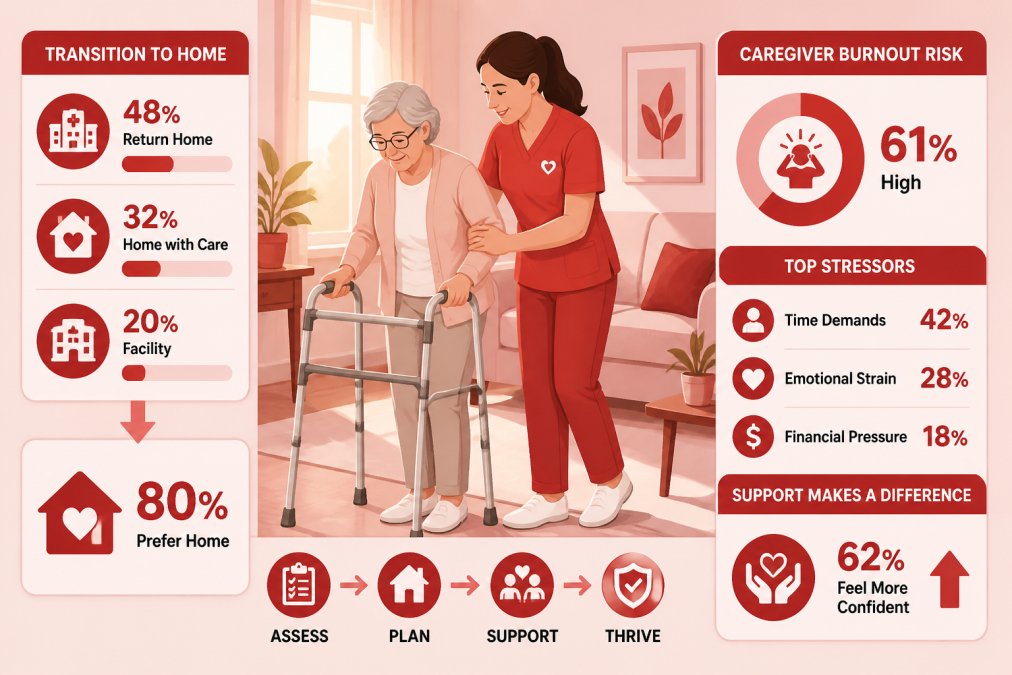
The transition from hospital to home represents a critical moment. Your loved one is medically cleared to leave but often weak, confused, and dependent on support they've never needed before. Family caregivers face the emotional and physical reality of providing 24/7 support, a responsibility that can rapidly lead to burnout.
Successful transitions begin before hospital discharge. Meet with the discharge planner to understand your loved one's specific medical needs, medications, therapy requirements, and warning signs. Request detailed written instructions about wound care, medication timing, activity restrictions, and when to seek emergency care.
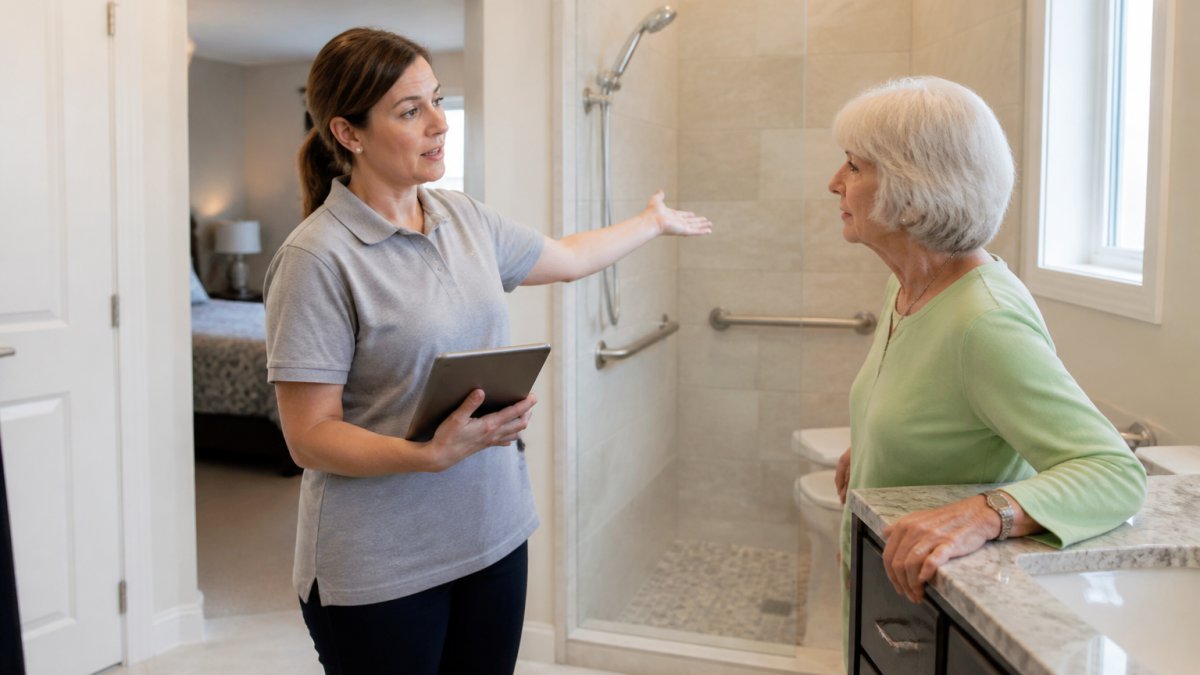
Prepare the home environment. Remove fall hazards, ensure pathways are clear, install grab bars in bathrooms, and set up a comfortable recovery space. Have medications organized and emergency contact numbers posted visibly.
The first weeks at home are physically and emotionally demanding. Professional caregivers handle the day-to-day physical demands, allowing family members to focus on emotional support rather than exhaustion. This shift prevents the caregiver burnout that emerges when one family member bears the entire burden.
Caregiver burnout is serious. It manifests as exhaustion, irritability, depression, and loss of patience. Burned-out caregivers make mistakes and sometimes withdraw emotionally from their loved one. The solution is structural support, not willpower.
Respite care, temporary relief from caregiving responsibilities, is essential for long-term sustainability. This might mean hiring an aide for a few hours weekly so you can rest, or overnight care so you can sleep without anxiety. Professional agencies provide this relief, allowing you to step back and recharge.
Conclusion
Finding the right 24/7 home care support is one of the most important decisions you'll make for your loved one's wellbeing. Whether your family member is recovering from surgery, managing advanced dementia, or living with disabilities that require continuous supervision, the quality of that care directly impacts their health, independence, and quality of life.
Katys home healthcare brings 10+ years of experience, a seasoned team of passionate caregivers, and a commitment to helping your loved ones regain independence while receiving the compassionate support they need. If you're exploring options for continuous care in Ohio or North Carolina, we invite you to create an account and learn how our approach can provide the peace of mind your family deserves.
Frequently Asked Questions
How much does 24/7 home care cost per month in Ohio?
The cost of 24-hour home care per month varies based on the type of care, caregiver experience, and whether you hire through an agency or privately. Non-medical 24/7 care typically ranges from approximately $720 to $960 per day through agencies, while specialized nursing care costs more. For exact pricing, contact home care agencies directly or ask about payment options including Medicaid waivers, long-term care insurance, and Veterans Affairs benefits if applicable.
Does Medicaid pay for 24/7 home care in Ohio?
Yes, Medicaid can help cover 24/7 home care through Ohio's Home Care Waiver (OHCW) for individuals aged 59 and under, or the PASSPORT Waiver for seniors 60 and older. Both programs cover home care attendant services, personal care, and waiver nursing services for eligible individuals. You must meet Medicaid income and medical necessity requirements. Check with the Ohio Department of Aging to determine your eligibility and current program status.
What is the difference between hiring private caregivers versus using an agency?
When hiring private caregivers, you're directly responsible for recruiting, vetting, background checks, taxes, and liability insurance. Agencies handle staffing, training, screening, and insurance, but typically cost more and may rotate caregivers. Agencies offer consistency, professional oversight, and accountability, important for dementia care or complex medical needs. Private caregivers may provide continuity and personalized relationships but require more family management and carry higher liability risk.
Who is eligible for the Ohio Home Care Waiver program?
The Ohio Home Care Waiver serves individuals aged birth to 59 with physical disabilities and unstable medical conditions who meet Medicaid eligibility criteria and require long-term care. The PASSPORT Waiver serves seniors 60 and older with similar needs. Both programs require a nursing assessment and determination of medical necessity. Enrollment may have moratoriums, so contact the Ohio Department of Aging to check current availability and start the application process.
What should I look for when choosing a home care agency?
Verify that caregivers are background-checked, bonded, and insured. Ask about staff training, experience with your loved one's specific condition (dementia, post-surgery recovery, mobility issues), and whether they can guarantee consistent caregiver assignment. Confirm they accept your payment method, Medicaid, VA benefits, long-term care insurance, or private pay. Request references and an in-home assessment. Ensure the agency is licensed and can start within your needed timeframe.
What services are included in 24/7 home health care?
Services typically include personal care (bathing, dressing, grooming), medication reminders, meal preparation, light housekeeping, mobility assistance, and companionship. Skilled nursing care, wound care, catheter management, medication monitoring, may be added for higher cost. Some agencies provide specialized support for dementia, Parkinson's, post-hospital recovery, and occupational or physical therapy. Confirm which services your specific care plan includes before enrollment.
Can I get respite care to give family caregivers a break?
Yes. Both Ohio's Home Care Waiver and PASSPORT Waiver programs include respite care services, allowing family caregivers temporary relief. Private agencies and long-term care insurance policies often cover respite care as well. This is critical for preventing caregiver burnout, especially when managing advanced dementia or high-acuity needs. Contact your home care provider or Medicaid waiver coordinator to arrange respite care hours that fit your family's schedule.
This article was written using GrandRanker