 ultimate-guide
Aging in Place: Mental Health Benefits for Seniors
Table of Contents
- How Aging in Place Supports Mental Health and Emotional Well-Being
- Maintaining Independence and Autonomy at Home
- Preserving Daily Routines and Familiar Environments
- Reducing Social Isolation and Building Community Connection
- Signs a Senior Needs Extra Help at Home
- Home Safety Modifications for Seniors and Mental Health
- Benefits of Professional Home Care in Supporting Aging in Place
- Addressing Mental Health Risks and Building Long-Term Support
- Frequently Asked Questions
Last Updated: September 26, 2026
How Aging in Place Supports Mental Health and Emotional Well-Being
Aging in place mental health benefits are profound when seniors live independently in their own home and community. When seniors maintain control over their environment and daily decisions, they experience stronger emotional well-being, reduced anxiety, and greater personal agency. Research shows that familiar surroundings directly support cognitive function and emotional stability in ways institutional settings cannot replicate.
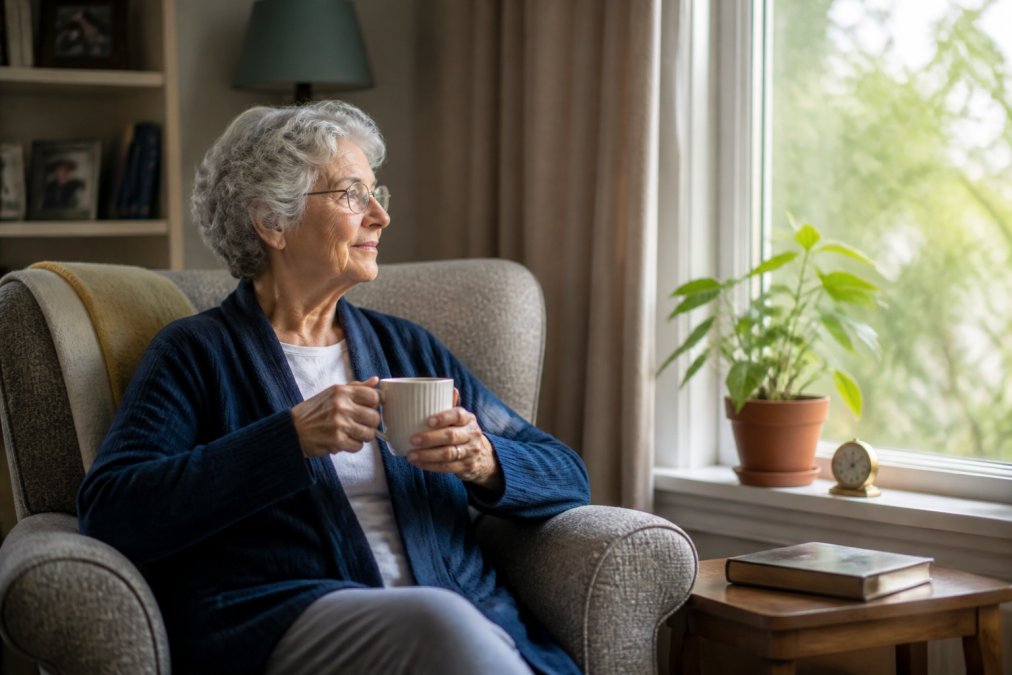
Seniors who age in place report higher life satisfaction and better mental health outcomes than those in assisted living. Waking in your own bedroom, preparing breakfast in your own kitchen, and maintaining familiar routines creates psychological security that becomes increasingly important as physical changes mount.
Aging in place mental health support is central to senior wellness. Loss of independence triggers depression, anxiety, and cognitive decline, while proper support maintains hope, engagement, and motivation for wellness.
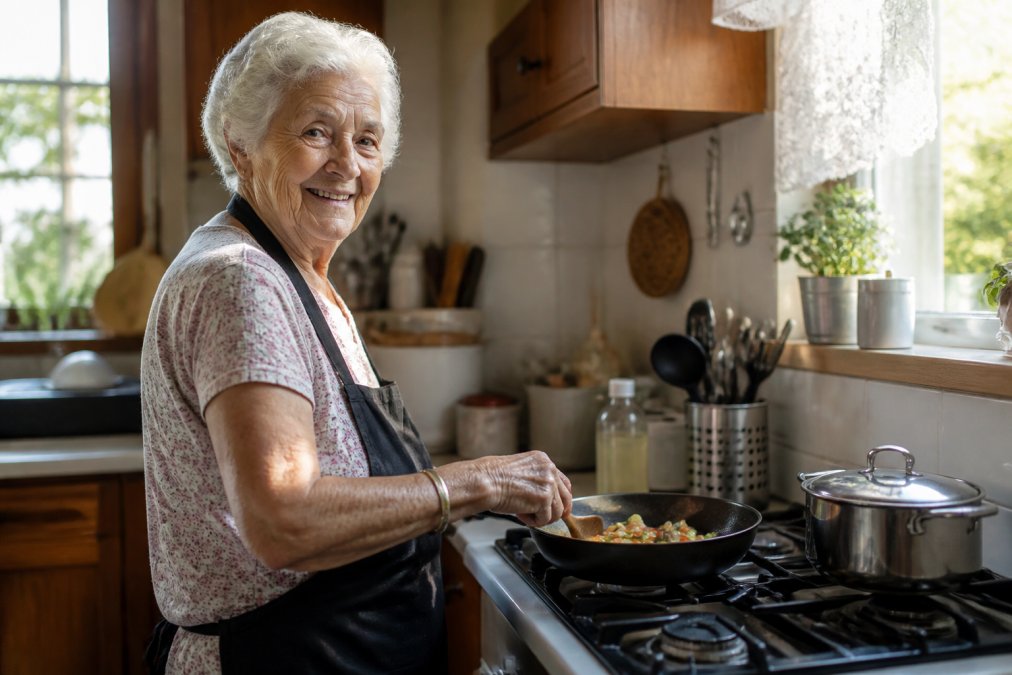
Maintaining Independence and Autonomy at Home
Independence and autonomy are essential to senior mental health. Decision-making power over care, schedules, and environment protects against depression and learned helplessness.
Aging in place preserves autonomy institutional settings cannot match. Seniors choose when to eat, what to wear, how to spend time, and who enters their space. Studies show loss of autonomy correlates with depression and cognitive decline, while maintaining decision-making power supports mental stability.
Independence means having choices and control, not doing everything alone. A senior who chooses bathing time and privacy level exercises autonomy; one bathed on institutional schedules experiences different psychological impact despite identical physical care.
Professional caregivers who understand this distinction become partners in maintaining independence. The best in-home care preserves choice while providing support. Katys home healthcare's caregivers work alongside seniors while keeping decision-making power in their hands, a distinction that profoundly affects mental health outcomes.
Preserving Daily Routines and Familiar Environments
The brain finds comfort in predictability. When seniors age in place, they preserve daily rituals, familiar spaces, and established patterns that have structured their lives for decades, a continuity protective for mental health.
Familiar environments reduce cognitive load. Seniors know where light switches are, how the kitchen functions, which chair supports their back. These accumulated details create a cognitive map requiring no effort. Unfamiliar settings force constant reorientation, causing cognitive stress that contributes to confusion and anxiety.
Daily routines anchor the day and provide control and predictability. Seniors who maintain their own routines report better sleep, reduced anxiety, and stronger motivation for self-care. Disrupted routines from relocation often deteriorate mental health.
Aging in place preserves both physical environment and daily structure. This preservation of routine and familiarity is one of the most underestimated mental health benefits of staying home.
Reducing Social Isolation and Building Community Connection
Social isolation is a significant risk factor for depression, cognitive decline, and early mortality. Many seniors in assisted living experience paradoxical isolation, surrounded by people but lacking meaningful connection to established community and family networks.
Aging in place preserves existing social connections. Seniors remain embedded in their neighborhood, maintain long-time friendships, participate in established activities, and stay connected to family, connections that continue naturally rather than being severed by relocation.
The ability to receive visitors in your own home, to host family gatherings, or to maintain participation in community activities strengthens mental health and emotional well-being. Research on loneliness and aging shows that seniors who maintain active social engagement experience lower rates of depression, better cognitive function, and stronger overall wellness. Aging in place makes this engagement possible in ways that institutional settings often don't.
Technology can further support social connection for seniors aging in place. Video calls with distant family, online community groups, or virtual classes allow seniors to maintain and expand their social networks without leaving home. Combined with in-person visits from family, friends, and professional caregivers, technology helps address the loneliness epidemic that affects many older adults.
Katys home healthcare recognizes that social connection is central to mental health. Our caregivers don't just provide physical assistance, they're trained to facilitate social engagement, encourage visitors, support participation in community activities, and help seniors maintain the relationships that matter most to them.
Signs a Senior Needs Extra Help at Home
Recognizing when a senior needs professional support is crucial for maintaining the benefits of aging in place. Without appropriate help, seniors may struggle with daily tasks, experience stress and anxiety, or face safety risks that undermine their mental health and independence.
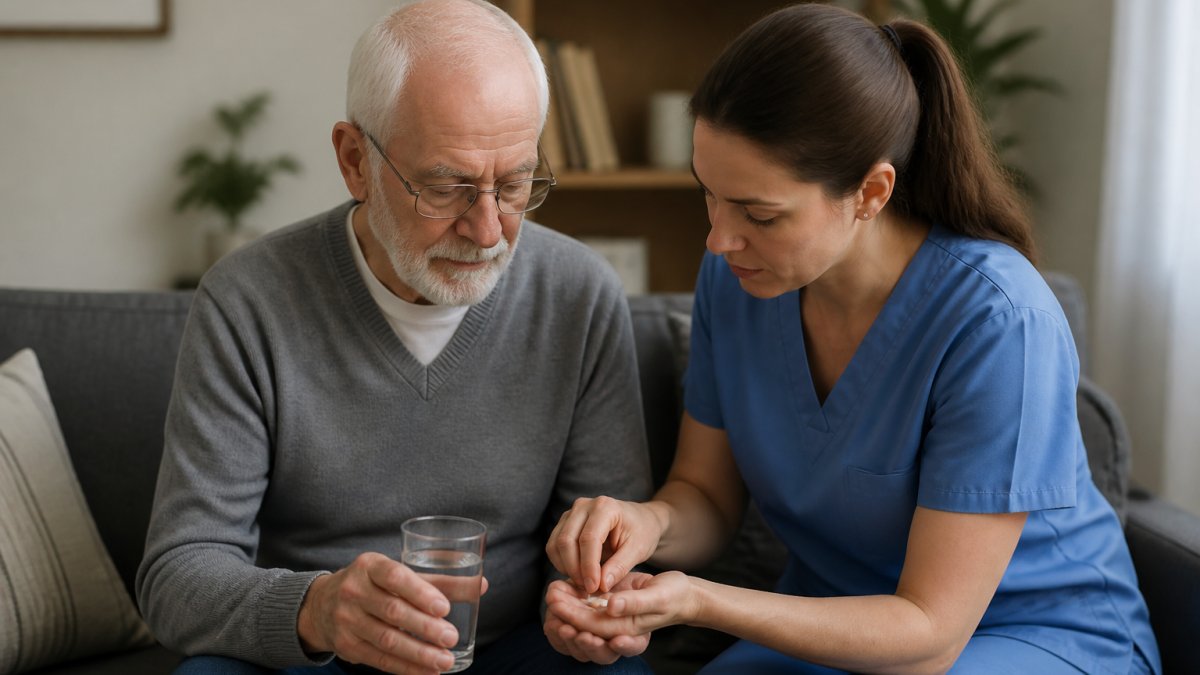
Common signs that a senior needs extra help include difficulty with personal hygiene, neglected home maintenance, missed medications, weight loss or poor nutrition, increased confusion or memory problems, social withdrawal, and signs of depression or anxiety. A senior who was once engaged and active but has become withdrawn may be struggling silently with tasks that have become overwhelming.
Physical indicators matter too. Difficulty climbing stairs, balance problems, reduced mobility, or recent falls suggest that home safety modifications and physical assistance may be needed. A senior who is afraid to move around their own home experiences anxiety and stress that directly impact mental health and quality of life.
Behavioral changes can signal underlying struggles. Increased irritability, difficulty making decisions, neglect of appearance, or expressions of hopelessness may indicate that the demands of aging in place without support have become overwhelming. Early intervention, before crisis occurs, protects both physical safety and mental health.
The key is addressing needs early, before they escalate into crises that might force relocation. Professional in-home care, when introduced thoughtfully, can extend the benefits of aging in place indefinitely. The goal is to provide support that preserves independence and autonomy rather than replacing them.
Home Safety Modifications for Seniors and Mental Health
Physical safety directly impacts mental health. A senior who is afraid of falling, worried about navigating stairs, or anxious about managing their home experiences chronic stress that undermines emotional well-being. Home safety modifications address both the physical risks and the psychological burden of fear and worry.
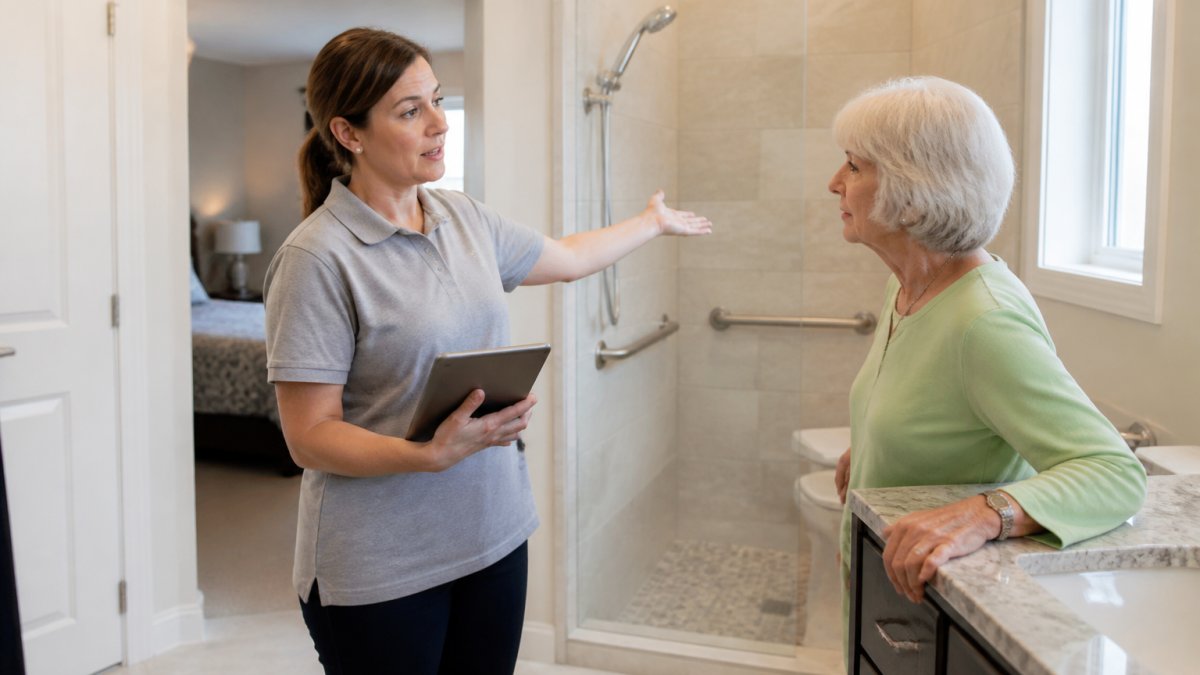
Common modifications include grab bars in bathrooms, improved lighting, removal of trip hazards, stair lifts or ramps, raised toilet seats, and accessible storage for frequently used items. These changes aren't merely practical, they're psychologically protective. When a senior feels secure in their environment, anxiety decreases, confidence increases, and engagement with daily life improves.
Modifications should be made thoughtfully to preserve the home's character and the senior's sense of ownership. The goal is safety without institutional appearance. A well-designed bathroom with subtle grab bars, good lighting, and non-slip surfaces protects safety while maintaining dignity and comfort.
Technology can also support safety and peace of mind. Medical alert systems, fall detection devices, and home monitoring systems allow seniors and their families to address safety concerns without constant surveillance. This balance, protective without intrusive, supports both safety and mental health.
Benefits of Professional Home Care in Supporting Aging in Place
Professional home care extends the viability and benefits of aging in place by addressing physical, emotional, and social needs that seniors cannot meet alone. Quality caregivers provide not just physical assistance but also companionship, encouragement, and support for independence.
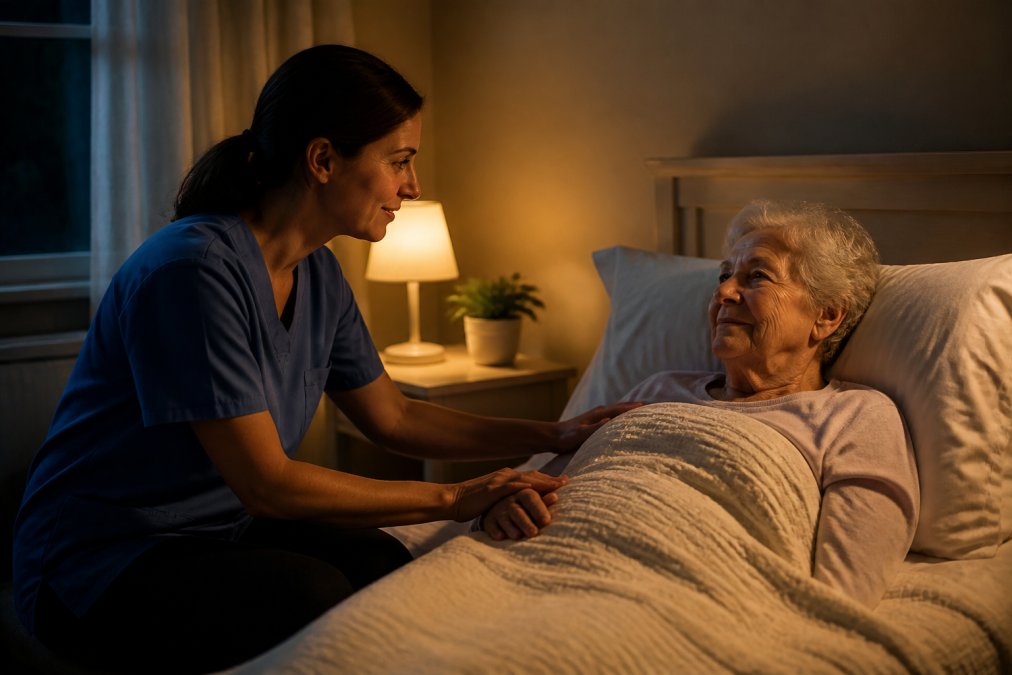
The presence of a trusted caregiver reduces anxiety and stress.
Addressing Mental Health Risks and Building Long-Term Support
Research from the Centers for Disease Control and Prevention on social isolation and health demonstrates that loneliness and social isolation significantly increase risk for depression, cognitive decline, and other health problems in older adults. Addressing isolation proactively is a critical component of aging in place that supports mental health.
Frequently Asked Questions
How does aging in place reduce depression and anxiety in seniors?
Aging in place reduces depression and anxiety by allowing seniors to maintain control over their environment, daily routines, and personal decisions. Living in a familiar home preserves emotional security and sense of belonging, which directly supports mental health. When seniors remain in spaces filled with memories and meaningful objects, stress levels decrease. Professional home care can further reduce anxiety by providing consistent, reliable support for daily tasks, allowing seniors to focus on activities that bring them joy and purpose rather than worry about their safety or independence.
What role does autonomy play in the mental health of older adults?
Autonomy is fundamental to mental well-being in older adults. When seniors maintain the ability to make decisions about their daily lives, care preferences, and how they spend their time, they experience greater psychological comfort and emotional stability. Loss of personal agency often leads to depression, reduced quality of life, and cognitive decline. Aging in place preserves this autonomy by allowing seniors to direct their own care, choose their activities, and maintain control over their living space. This sense of personal agency directly supports mental health, self-esteem, and overall wellness.
How does staying in a familiar environment impact senior mental health?
A familiar home environment provides psychological stability and emotional comfort that directly benefits mental health. Seniors who age in place avoid the stress and disorientation of relocating to institutional settings. Familiar surroundings contain personal memories, meaningful objects, and established routines that anchor emotional well-being and reduce anxiety. The security of knowing one's space, having control over the environment, and maintaining long-standing daily patterns supports cognitive function, reduces depression, and fosters a stronger sense of belonging. This continuity is especially important for seniors with dementia or cognitive decline, where familiar environments provide grounding and reduce behavioral challenges.
Can professional home care actually help seniors regain independence after surgery or illness?
Yes. Professional home care supports seniors in regaining independence through structured rehabilitation, consistent assistance with daily living tasks, and personalized support that respects each person's goals and pace. Unlike facility-based care, home-based rehabilitation allows seniors to practice independence in their own environment, which translates directly to real-world function. Experienced caregivers work with seniors on mobility, self-care, and daily activities while providing the safety net needed during recovery. This approach reduces the psychological burden of dependence, supports mental health during vulnerable periods, and helps seniors rebuild confidence in their ability to manage daily life.