 ultimate-guide
Daily Living Assistance for Disabled Adults: A Complete Guide
Table of Contents
- Understanding Daily Living Assistance for Disabled Adults
- Activities of Daily Living (ADLs) Checklist: What Support Looks Like
- Housing Options and Supportive Living Arrangements
- Medicaid Home and Community-Based Services Waiver Programs
- Hiring Home Caregivers for Stubborn Seniors and Resistant Adults
- Financial Planning and Long-Term Funding for Daily Living Support
- Technology and Assistive Devices That Enable Independence
- Conclusion
- Frequently Asked Questions
Last Updated: August 29, 2026
Understanding Daily Living Assistance for Disabled Adults
Daily living assistance for disabled adults encompasses support services that help individuals maintain independence, dignity, and quality of life while managing daily tasks they cannot perform alone. This includes personal hygiene, meal preparation, medication management, and mobility support. The right support system can be the difference between thriving at home and struggling through each day.
Many families assume daily living assistance means full-time nursing care or institutional living. That's rarely the case. Most people need targeted support for specific activities, combined with the confidence that someone trained and trustworthy is available when needed.
The scope ranges from a few hours per week to 24/7 in-home care. Some individuals need help primarily with personal care tasks like bathing and dressing. Others require supervision for safety, medication reminders, or assistance with cognitive tasks. The most effective approach matches actual needs to the right level of support.
Activities of Daily Living (ADLs) Checklist: What Support Looks Like
Activities of Daily Living (ADLs) are the fundamental self-care tasks that people perform daily to maintain personal hygiene, health, and independence. When a person cannot perform these tasks safely or independently due to disability, illness, or age-related decline, professional assistance becomes essential.

The standard Activities of Daily Living (ADLs) checklist includes six core categories: (nia.nih.gov)
- Bathing and personal hygiene, assistance with showering, bathing, grooming, and oral care
- Dressing, help selecting appropriate clothing and getting dressed
- Toileting, assistance with bathroom needs and personal hygiene after toileting
- Transferring, help moving from bed to chair, chair to standing, or navigating the home safely
- Continence, managing incontinence or catheter care when needed
- Eating and nutrition, preparing meals, feeding assistance, or monitoring dietary needs
Beyond these core ADLs, many people also need help with Instrumental Activities of Daily Living (IADLs), which include managing finances, shopping, cooking, light housekeeping, laundry, and medication management. This distinction determines the type and intensity of support needed.
Someone recovering from hip surgery might need intensive help with bathing and transferring for six weeks, then gradually reduce support as mobility returns. A person with advanced dementia might need consistent reminders for all ADLs plus supervision for safety. The Activities of Daily Living (ADLs) checklist serves as the foundation for care planning, helping families identify exactly which tasks require support and what level of training a caregiver must have.
Housing Options and Supportive Living Arrangements
The housing choice you make fundamentally shapes the quality of daily living assistance available. The right environment can make support more effective and more affordable.
Independent living arrangements work best for people who need minimal assistance, perhaps help with medication management or occasional transportation. These are typically apartment communities or single-family homes where residents live autonomously but have access to support services on-call.
Supportive housing combines affordable housing with on-site services like case management, daily living assistance, and mental health support. These arrangements are designed for people with disabilities who need consistent support but want to maintain community integration.
Group homes provide residential support for 4-8 residents, typically people with developmental disabilities or chronic mental illness. Staff members live on-site or provide 24-hour coverage, assisting with daily living tasks, community integration, and skill-building.
Assisted living facilities serve people who need help with Activities of Daily Living (ADLs) but do not require skilled nursing care. These facilities typically include meals, housekeeping, medication management, and personal care assistance.
Personal care homes operate similarly to assisted living but with fewer residents and typically less structure. They're often family-owned operations that provide individualized daily living assistance for disabled adults in a home-like setting.
24/7 home-based care, provided by agencies like Katys home healthcare, allows people to stay in their own homes while receiving comprehensive support. This option appeals to people who want to age in place, maintain control over their environment, and avoid institutional settings.
The choice between these options depends on the individual's specific needs, financial resources, family involvement, and personal preferences.
Medicaid Home and Community-Based Services Waiver Programs
For many families, the Medicaid Home and Community-Based Services Waiver is the financial lifeline that makes daily living assistance for disabled adults affordable. These waivers allow states to provide long-term care services in community settings rather than only in institutions, fundamentally changing what's possible for people with disabilities.
The Home and Community-Based Services Waiver programs vary by state, but they generally cover services like personal care assistance, case management, respite care, and supportive housing. The key word is "waiver", these programs waive the usual Medicaid requirement that recipients live in institutions to receive coverage.
Eligibility typically requires meeting income and asset limits set by your state. Many states maintain waitlists for these programs, sometimes spanning years, because demand exceeds funding (medicaid.gov). Starting the application process early is critical.
The services covered under these waivers usually include:
- Personal care assistance for Activities of Daily Living (ADLs)
- Homemaker services and light housekeeping
- Meal preparation and nutrition support
- Case management and care coordination
- Respite care to give family caregivers breaks
- Assistive technology and home modifications
- Transportation to medical and community activities
- Supported employment services
The amount of coverage varies dramatically by state and individual need. Some states offer strong programs that cover 40+ hours per week of personal care assistance (medicaid.gov). Others offer limited hours. The application process requires medical documentation of disability and functional limitations.
Medicaid Home and Community-Based Services Waiver programs are publicly funded through Medicaid. Your state determines the reimbursement rate paid to care providers, which is typically lower than private-pay rates. Many home care agencies like Katys home healthcare accept both Medicaid and private-pay clients to ensure reliable staffing and service quality.
Hiring Home Caregivers for Stubborn Seniors and Resistant Adults
Many people who need daily living assistance don't want it. They resist help, refuse to admit limitations, or push back against losing independence. This isn't stubbornness in the traditional sense, it's fear, grief, and a legitimate loss of control over their own lives.
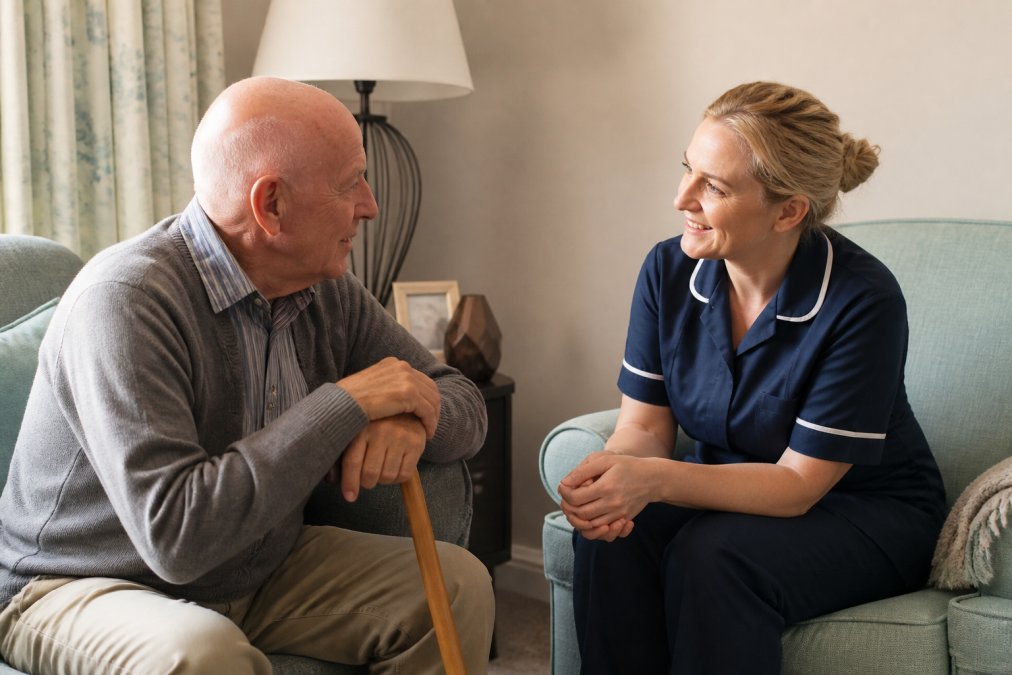
The caregiver you hire for someone resistant to help needs specific skills that go beyond standard training. They need patience, genuine respect for the person's autonomy, and the ability to reframe assistance as enablement rather than dependence.
When hiring home caregivers for stubborn seniors and resistant adults, look for these specific qualities:
- Experience with resistant clients. Ask directly: "Tell me about a time you worked with someone who didn't want help. How did you handle it?" Listen for evidence that they built trust gradually and respected boundaries.
- Ability to involve the person in decisions. The best caregivers ask, "What would be most helpful?" rather than deciding what needs to happen. This preserves autonomy and builds buy-in.
- Flexibility and problem-solving. Resistant clients often have specific preferences about how tasks are done. Caregivers who adapt to these preferences are more successful.
- Genuine warmth and humor. Clinical competence matters, but so does personality. A caregiver who can laugh and treat the person as an individual makes a profound difference.
- Consistency. For someone resistant to help, having the same caregiver consistently is non-negotiable.
The hiring process should include trial periods. One shift with a new caregiver isn't enough to assess fit. Most agencies, including Katys home healthcare, allow families to work with a caregiver for a few weeks before committing long-term.
Be direct about the resistance you're expecting. Tell the caregiver: "My dad is going to push back on help with bathing. Here's what we've found works..." This sets realistic expectations and allows the caregiver to prepare mentally.
Many families find that hiring someone their loved one specifically requests, or hiring based on a personal connection rather than just credentials, improves outcomes dramatically.
Financial Planning and Long-Term Funding for Daily Living Support
Daily living assistance for disabled adults is expensive, often unpredictable, and most insurance doesn't cover it well. Families who don't plan ahead often find themselves making crisis decisions or depleting savings rapidly.
The cost varies dramatically by location, intensity of care, and whether you're paying privately or using Medicaid. In urban areas, private-pay home care can range from affordable part-time support to tens of thousands per month for 24/7 coverage.
Long-term financial planning for daily living assistance should start with these steps:
-
Assess current and projected needs. Be honest about what's likely to happen. Someone with early-stage dementia will need increasing support over time. Projecting needs 3-5 years out helps you understand the financial scope.
-
Identify available funding sources. These might include Medicaid (if eligible), Medicare (for skilled nursing, limited), Veterans benefits (if applicable), long-term care insurance, family resources, and community programs.
-
Explore community resources. Many communities offer subsidized daily living assistance through aging services agencies, disability services departments, or nonprofits. These programs often have waitlists but are worth investigating.
-
Consider housing decisions strategically. Moving to an assisted living facility might be more affordable than maintaining a private home with 24/7 care. Run the numbers for your specific situation.
-
Build a contingency fund. Care needs change. Having 3-6 months of care costs set aside prevents panic when needs increase.
-
Document preferences and decision-making authority. Ensure someone has legal authority to make care decisions if the person needing care can't do so themselves.
Many families benefit from working with a care manager or social worker who understands local resources and can help navigate funding options.
Technology and Assistive Devices That Enable Independence
Technology can dramatically expand what people with disabilities can do independently, reducing the need for constant assistance and improving daily living assistance for disabled adults when it is needed.
Mobility aids like walkers, canes, and wheelchairs are foundational. Modern designs are lighter and more maneuverable, and choosing the right device for the person's specific limitations makes an enormous difference in independence and safety.
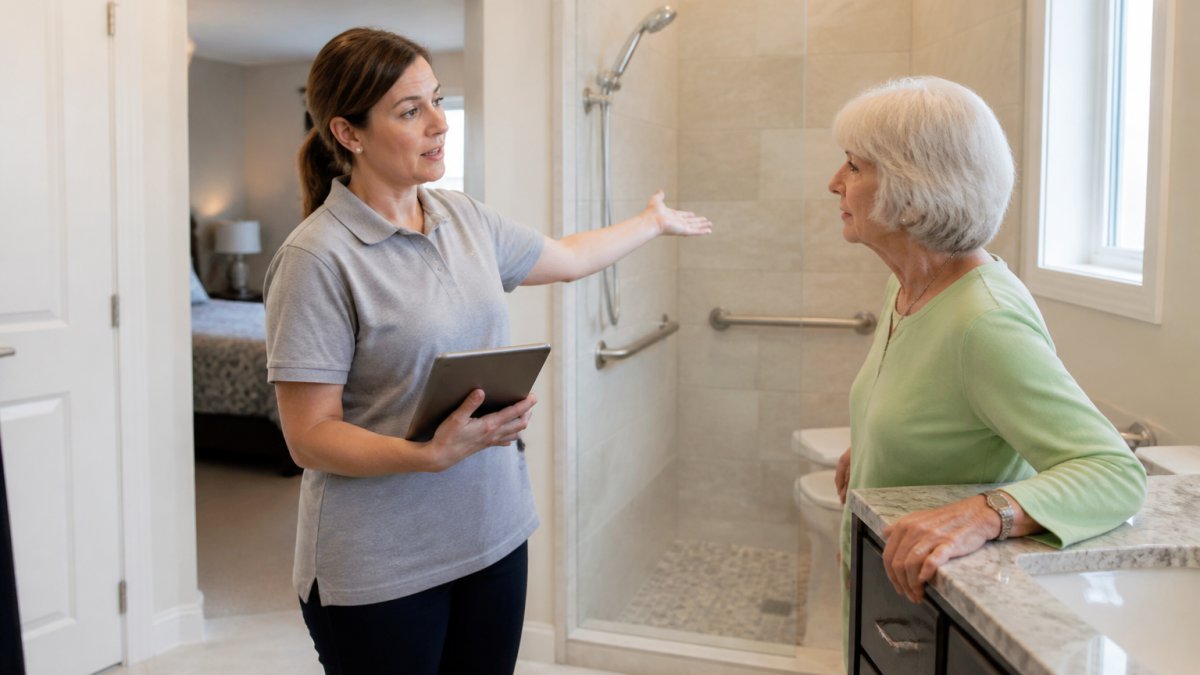
Bathroom safety equipment, grab bars, shower seats, raised toilet seats, and non-slip surfaces, prevents falls and enables independence with bathing and toileting.
Medication management systems help people remember to take medications correctly. Automatic dispensers, phone reminders, and pill organizers reduce medication errors.
Communication devices for people with speech difficulties range from simple picture boards to sophisticated speech-generating devices. These preserve autonomy and reduce caregiver burden.
Smart home technology like voice-activated assistants, automated lighting, and temperature control can help people with limited mobility manage their environment.
Monitoring systems like fall detection pendants, bed sensors, and activity monitors give families peace of mind without constant in-person supervision.
Adapted kitchen equipment, ergonomic utensils, one-handed cutting boards, and reacher tools, enables people with limited hand strength or dexterity to prepare their own meals.
The key is matching technology to the person's actual needs and abilities. Simple, intuitive technology that integrates into daily routines is far more valuable than expensive devices that aren't used. Working with an occupational therapist to assess needs and recommend appropriate devices often leads to better outcomes.
Technology doesn't replace human care, but it extends what's possible independently and makes caregiving more efficient.
Conclusion
Daily living assistance for disabled adults isn't one-size-fits-all. It's a combination of the right housing, the right support services, the right funding, and the right caregivers, all working together to preserve independence and quality of life.
If you or a loved one needs daily living assistance, start by honestly assessing what tasks are difficult or impossible right now, then explore options that match those specific needs. Medicaid programs, community resources, and private agencies each have a role depending on your circumstances.
At Katys home healthcare, we've spent over a decade helping families in Ohio and North Carolina navigate this exact challenge. Our team of seasoned caregivers provides 24/7 daily living assistance for disabled adults, with consistency, training, and genuine care. We understand that every person's situation is different, that's why we work with families to create personalized care plans that support independence, dignity, and quality of life. Reach out to discuss your specific needs and explore how we can help your loved one thrive.
Frequently Asked Questions
What types of daily living assistance are available for disabled adults?
Daily living assistance for disabled adults includes help with activities of daily living (ADLs) such as bathing, dressing, grooming, and meal preparation. Support also covers instrumental activities of daily living (IADLs) like medication management, housekeeping, and transportation. Professional caregivers provide in-home support, while community-based programs offer day services, group homes, and assisted living facilities. The specific assistance available depends on your disability type, income level, and eligibility for programs like Medicaid home and community-based services waivers.
How do I qualify for home health care services in my state?
Eligibility for home health care services varies by program and state. Generally, you must meet income limits, have a documented disability or medical need, and complete a functional assessment. Medicaid home and community-based services waivers require state application and approval. Medicare covers skilled nursing and therapy services when ordered by a physician. Private home care has no eligibility restrictions. Contact your state's Department of Health and Human Services or your local Area Agency on Aging to learn specific requirements for programs you may qualify for.
Does Medicaid cover daily living assistance for disabled adults?
Medicaid covers daily living assistance through home and community-based services waivers in most states. These waivers fund personal care services, respite care, and supportive housing for eligible individuals with disabilities. Coverage includes help with ADLs, some IADLs, and case management services. However, eligibility and covered services vary significantly by state. You must meet income and asset limits, and there are often waitlists. Contact your state Medicaid office or local social services agency to confirm what's covered and whether you qualify in your area.
What should I look for when hiring a home caregiver for someone who is resistant to help?
Look for caregivers with experience working with resistant or stubborn clients, particularly those with dementia or behavioral challenges. Ask about their training in motivational interviewing and person-centered care. Consistency matters, request the same caregiver regularly to build trust and rapport. Discuss your loved one's personality, preferences, and triggers during the hiring process. A good caregiver will listen, respect autonomy, and frame assistance as support for independence rather than control. Ask for references from families with similar situations, and observe how the caregiver interacts with your loved one before committing long-term.
This article was written using GrandRanker