 ultimate-guide
Home Care for Seniors With Dementia: A 2026 Guide
Table of Contents
- What Home Care for Seniors With Dementia Involves
- Types of In-Home Dementia Care Services
- Creating a Dementia Care Plan for Home
- Home Safety Checklist for Dementia Patients
- Signs It Is Time for Memory Care Beyond Home
- Choosing the Right Home Care Provider
- Managing Costs and Finding Financial Support
- Conclusion
- Frequently Asked Questions
Last Updated: August 21, 2026
What Home Care for Seniors With Dementia Involves
Home care for seniors with dementia is a comprehensive support system that allows individuals to remain in their familiar home environment while receiving professional assistance with daily activities, medical management, and behavioral support. At Katys home healthcare, we understand that dementia care requires trained caregivers who recognize behavioral changes, communicate effectively with someone experiencing cognitive impairment, and adapt their approach as the disease progresses.
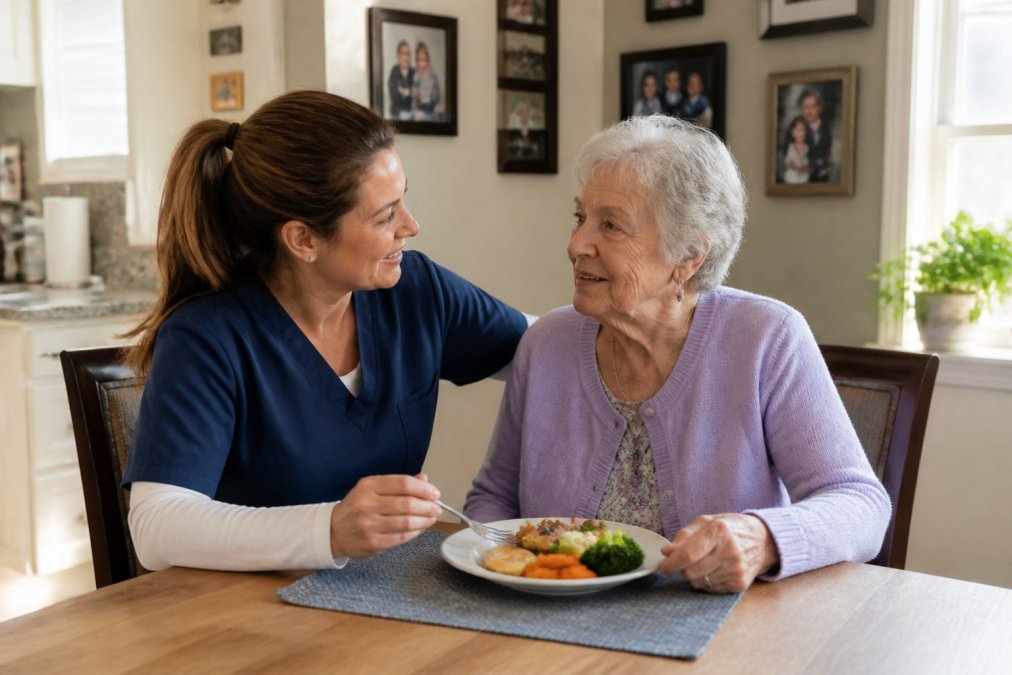
Home care typically includes help with activities of daily living like bathing, dressing, grooming, and meal preparation, but extends far beyond these physical tasks. The core involves creating structure and routine, people with dementia often experience sundowning, increased confusion, agitation, or anxiety in late afternoon or evening, and consistent daily routines help reduce these episodes (the NIH). Caregivers provide companionship that combats isolation and depression, serve as a bridge between the patient, family members, and healthcare providers, and monitor for changes in condition. Memory support is another critical component, including reality orientation techniques, reminiscence therapy using familiar objects or photos, and creating a safe environment where the person can move about without constant correction or frustration.
Types of In-Home Dementia Care Services
The range of home care services spans from basic companionship to skilled nursing care, allowing families to match services to their loved one's current needs and budget.
Companion Care provides non-medical support focused on social engagement and activities of daily living. A companion caregiver helps with bathing, dressing, grooming, meal preparation, and light housekeeping while offering conversation, games, or outings. This level is appropriate for early-stage dementia.
Personal Care Assistance involves trained caregivers who understand dementia-specific behaviors and communication strategies. They manage toileting, incontinence care, and personal hygiene with dignity and patience, and can recognize when behavioral adjustments are needed.
Skilled Nursing Care is provided by licensed nurses or certified nursing assistants and includes medication management, wound care, catheter care, and monitoring for medical complications. This becomes necessary as dementia progresses and co-occurring conditions require professional oversight.
Respite Care offers temporary relief for family caregivers who need a break, whether for a few hours, overnight, or several days, preventing caregiver burnout.
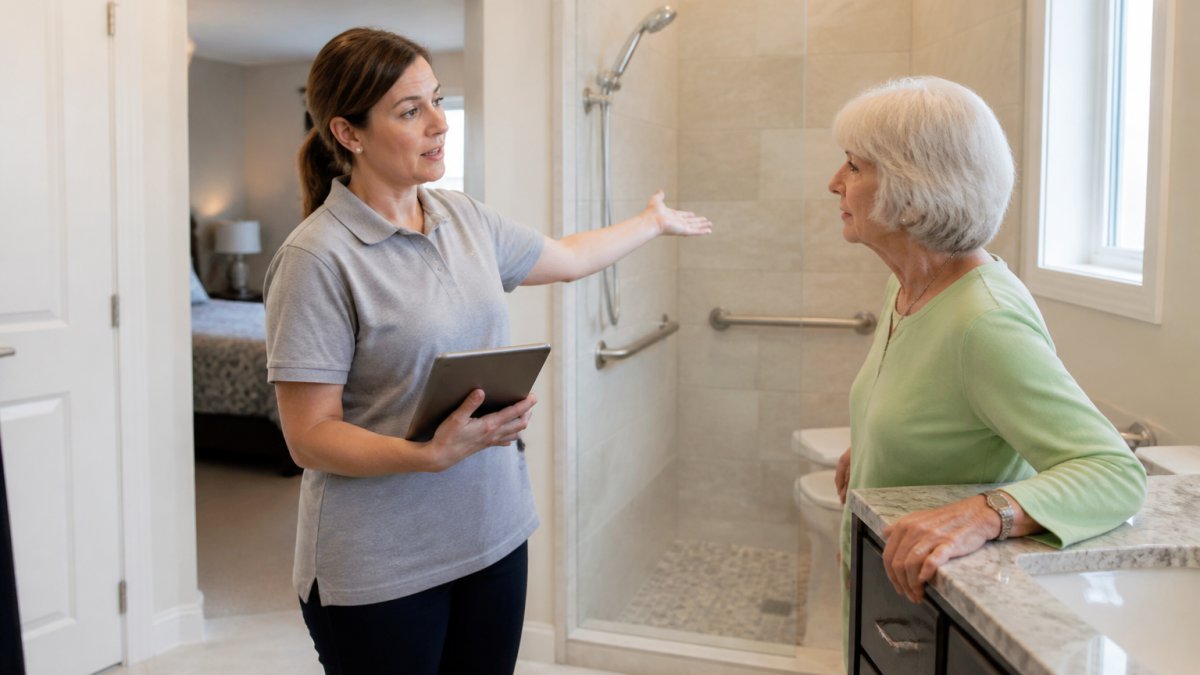
Geriatric Care Management involves a professional coordinator who assesses needs, develops a comprehensive care plan, oversees multiple service providers, and adjusts the care approach as the disease progresses. This is particularly valuable for families juggling work and caregiving.
Creating a Dementia Care Plan for Home
A well-structured dementia care plan is the foundation of effective, consistent care. It should be developed collaboratively with the person's physician, family members, and the care team, and must be flexible enough to evolve as the disease progresses.
Start by documenting the person's baseline cognitive and physical abilities, medical history, current medications, and behavioral patterns or triggers. Include preferences, how they like to be addressed, favorite activities, foods they enjoy, and comforting routines. The care plan should address safety modifications needed in the home, medication schedules, meal planning, and a daily routine that provides structure. Include specific strategies for managing common dementia behaviors: if the person tends to wander, outline door alarms or GPS monitoring; if they become agitated during certain times, include calming activities or adjusted lighting.
Establish clear communication protocols: who is the primary contact, how often will family members receive updates, and what situations warrant immediate notification? Include end-of-life preferences and advance directives so the person's values guide care when they cannot communicate. Review and update the care plan every three to six months or whenever there's a significant change in condition.
Home Safety Checklist for Dementia Patients
Creating a safe home environment is essential. Cognitive impairment affects judgment, balance, and the ability to recognize danger.
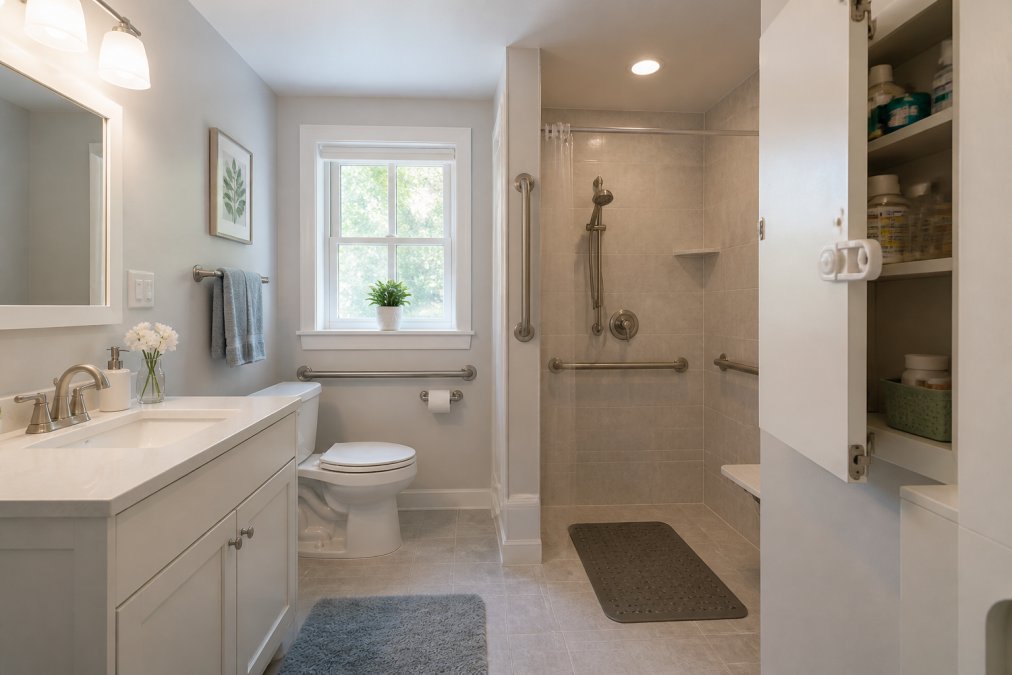
Bathroom Safety requires grab bars near the toilet and in the shower or tub, non-slip mats on floors, adequate lighting, and a shower chair or bench. Remove or secure cleaning products and medications. Set water heater temperature to prevent scalding.
Bedroom and Sleeping Areas should be free of clutter and obstacles. Use a bed alarm that alerts caregivers if the person gets up at night. Night lights reduce confusion and fall risk during nighttime bathroom trips.
Kitchen Safety requires securing or removing dangerous items. Lock cabinets containing cleaning supplies, medications, and sharp objects. Use stove locks or remove knobs to prevent unsupervised cooking. Install a carbon monoxide detector.
Stairways and Hallways should have clear, well-lit pathways with handrails on both sides of stairs. Use contrasting tape on stair edges. Remove throw rugs and secure electrical cords.
Doors and Windows present escape risks. Install locks high on doors where someone with dementia is less likely to notice them. Use door alarms or motion sensors. Window locks prevent accidental falls.
General Home Modifications include adequate lighting throughout the home, nightlights in hallways and bedrooms, secured loose rugs, and stable furniture. Install a medical alert system and consider a home security system that alerts caregivers if doors open unexpectedly.
Wandering Prevention is essential if the person tends to leave home unsupervised. GPS tracking devices worn on the wrist or shoe can locate someone quickly. Door alarms alert caregivers when exits are opened. Inform neighbors and local police that the person may wander and provide a recent photo.
Signs It Is Time for Memory Care Beyond Home
Recognizing when home care is no longer sufficient is one of the hardest decisions families face. Consider memory care beyond home when the person's safety cannot be ensured at home despite modifications and 24/7 supervision, such as severe wandering that cannot be contained or aggressive behavior that poses risk to caregivers.
Advanced dementia often brings medical complexity that exceeds what home care can safely provide. If the person requires skilled nursing care, frequent medical interventions, or monitoring that demands more expertise than home health aides possess, a memory care facility may be necessary. Caregiver burnout is a legitimate reason to consider facility care, if the primary family caregiver is experiencing depression, health problems, or is unable to maintain employment, the sustainability of home care is compromised.
Some people reach a stage where they no longer recognize family members, no longer eat or drink adequately, or become nonverbal. While these changes don't automatically require facility care, they signal advanced dementia where the person's quality of life and comfort become the central focus. Financial constraints also play a role, if the cost of 24/7 home care exceeds family resources and public assistance options are limited, a facility may be more sustainable long-term.
Choosing the Right Home Care Provider
Selecting a home care provider is one of the most important decisions you'll make. The quality of care, consistency of caregivers, and cultural fit with your family directly affect your loved one's wellbeing.
Start by verifying credentials and licensing. Home health agencies should be licensed by your state, and caregivers should have background checks, reference checks, and appropriate certifications. Ask about caregiver training, specifically dementia-specific training and their approach to behavioral management.
Consistency of caregivers matters enormously for someone with dementia. Familiar faces reduce anxiety and confusion. Ask potential providers about their staffing model and staff turnover rate. Katys home healthcare recognizes that stability is critical for dementia care.
Interview potential caregivers before they start. How do they communicate? Do they seem patient and genuinely interested in the person? Ask them to describe how they would handle a specific scenario, such as if your parent becomes agitated or refuses to bathe. Discuss care coordination: who will be your main point of contact, how often will you receive updates, and how quickly can they respond to changes?
Ask about their experience with your loved one's specific challenges. Check references thoroughly by talking to other families they've served. Ask about reliability, quality of care, and how the provider handled difficult situations.
Managing Costs and Finding Financial Support
The cost of home care for seniors with dementia varies widely depending on the level of care, your location, and whether you hire through an agency or independently. Many families find that the cost of 24/7 home care exceeds what they can afford without assistance.
Medicare covers skilled nursing and therapy services if they're medically necessary and ordered by a physician, though it doesn't cover custodial care (cms.gov). Medicaid covers home and community-based services in many states, though eligibility and covered services vary significantly by state (medicaid.gov). Veterans benefits may apply if your loved one is a military veteran, the Aid and Attendance benefit provides monthly payments to help cover long-term care costs.
Long-term care insurance, if purchased before diagnosis, may cover home care expenses. Some families explore hiring caregivers directly rather than through an agency to reduce costs, though this requires handling payroll taxes, workers' compensation insurance, and employment law compliance. Adult day programs provide care and activities during the day, allowing working family members to maintain employment while their loved one receives supervision and social engagement at lower cost than full-time in-home care.
Contact your local Area Agency on Aging for information about programs and financial assistance specific to your area.
Conclusion
Home care for seniors with dementia allows your loved one to age in place with dignity while receiving the professional support their changing needs demand. Katys home healthcare has spent over a decade supporting families through this journey. Our caregivers are trained in dementia-specific care, understand behavioral management, and commit to consistent relationships with the people they serve. We provide 24/7 availability in Ohio and North Carolina, ensuring your loved one receives compassionate, professional care when you need it most. Whether you're beginning this journey or adjusting care as needs evolve, our team is here to help you create a safe, nurturing home environment where your loved one can maintain independence and quality of life.
Frequently Asked Questions
Q: What are the main differences between home care for dementia and memory care facilities?
A: Home care allows seniors to age in place with one-on-one support from caregivers who help with activities of daily living, medication management, and companionship in a familiar environment. Memory care facilities provide 24/7 supervised living with structured activities and specialized staff trained in behavioral management. Home care offers more personalization and independence, while facilities provide intensive monitoring and immediate response to emergencies. The choice depends on the stage of cognitive impairment and level of supervision needed.
Q: What should be included in a dementia care plan for home?
A: A comprehensive dementia care plan for home should document the patient's medical history, current medications, daily routines, behavioral triggers, emergency contacts, and specific care instructions. Include cognitive and physical abilities, dietary needs, mobility limitations, and communication preferences. The plan should outline safety protocols, wandering prevention strategies, and when to seek professional help. Review and update the plan regularly as the disease progresses, and share it with all caregivers to ensure consistency and person-centered care.
Q: What safety modifications do I need to make for a senior with dementia at home?
A: A home safety checklist for dementia should include securing doors and windows to prevent wandering, removing tripping hazards, installing grab bars in bathrooms, improving lighting in hallways and stairs, and locking away medications and cleaning supplies. Remove mirrors if they cause confusion, use childproof locks on cabinets, and consider motion-sensor lighting. Install a medical alert system and ensure the home is temperature-controlled. Remove obstacles from pathways and clearly mark stairs. Regular home safety assessments help identify risks as cognitive impairment progresses.
Q: How do I know when it is time to transition from home care to a memory care facility?
A: Signs it is time for memory care include severe behavioral symptoms that home caregivers cannot safely manage, constant wandering or elopement risk, inability to recognize family members, need for 24/7 skilled nursing care, or caregiver burnout making in-home care unsustainable. When the patient requires more supervision than one caregiver can provide or has medical needs beyond personal care assistance, a facility may be necessary. A geriatric care manager can assess the situation and help determine the right level of care for your loved one.
Q: What questions should I ask a potential home care provider before hiring?
A: Ask about caregiver training in dementia care, behavioral management techniques, and experience with sundowning and other behavioral symptoms. Inquire about background checks, certifications, and whether caregivers receive ongoing training. Ask about caregiver consistency, will the same person provide care regularly? Confirm they understand medication management and can recognize when medical attention is needed. Ask about their process for care coordination with doctors and family, availability for respite care, and how they handle emergencies. Request references from other families they serve.
Q: Does home care for seniors with dementia work with Medicaid or insurance?
A: Coverage varies by state and insurance plan. Some Medicaid programs cover in-home care services, but eligibility criteria and covered services differ. Medicare typically does not cover long-term custodial care, though it may cover skilled nursing or rehabilitation services after hospitalization. Private insurance rarely covers dementia care. Contact your state's Medicaid office or speak with a geriatric care manager to understand what financial assistance programs exist in your area and whether you qualify for subsidies or payment plans.
Q: How can I help a senior with dementia adjust to having a home care provider?
A: Introduce the caregiver gradually and maintain consistent routines to reduce anxiety. Explain the caregiver's role in simple, reassuring terms. Allow the caregiver time to build trust through regular, predictable visits. Keep the caregiver informed about the patient's preferences, habits, and communication style. Encourage family involvement to reinforce that the caregiver is there to help, not replace family. Be patient, adjustment takes time, especially with cognitive impairment. A caregiver trained in person-centered care can adapt their approach to match the patient's comfort level.
This article was written using GrandRanker