 how-to
How to Prepare for Home Care After Hospital Discharge
Last Updated: October 23, 2026
Quick Summary
Home care after hospital discharge requires planning your home environment, medications, medical equipment, and support system before you leave the hospital. Start with your discharge planner, create a checklist of medications and appointments, install safety equipment, and arrange caregiver support to prevent complications and speed healing.
- Your discharge planner coordinates your transition and should answer key questions about medications, equipment, warning signs, and follow-up appointments before you leave.
- Install grab bars, non-slip mats, handrails, and night lights, and clear pathways of hazards to prevent falls during recovery.
- Fill prescriptions, organize medications in a labeled pill organizer, and use phone reminders or a printed calendar to prevent medication errors.
- Schedule follow-up appointments with your primary care doctor within one to two weeks of discharge and specialists sooner if needed.
- Arrange a backup caregiver and plan respite care from day one to prevent caregiver burnout and ensure consistent support.
Table of Contents
- Understanding the Discharge Planning Process
- Create Your Hospital Discharge Planning Checklist
- Key Questions to Ask Before Hospital Discharge
- Home Safety Checklist After Surgery
- Managing Medications and Medical Equipment at Home
- Your Caregiver Checklist After Hospital Discharge
- Arranging Follow-Up Care and Monitoring Recovery
- Preparing for the Transition Home
- Frequently Asked Questions
Understanding the Discharge Planning Process
Discharge planning starts before you leave the hospital, preparing your home and support system for home care after hospital discharge.
Your hospital team assigns a discharge planner who coordinates your transition from hospital care to home care, assessing needs and arranging services.
Ask your discharge planner these key questions early:
- What medical equipment do I need at home?
- Which medications should I take, and how often?
- What warning signs mean I need emergency care?
The discharge summary is your most important document, listing your diagnosis, medications, and follow-up instructions. Keep it accessible for all appointments.
Create Your Hospital Discharge Planning Checklist
Start a checklist before discharge. Write down everything your medical team tells you: medication names, dosages, timing, appointment dates, and provider contacts.
Your checklist should cover these areas:
Medical Information:
- Diagnosis and treatment received
- Current medications and dosages
- Allergies and adverse reactions
Home Setup:
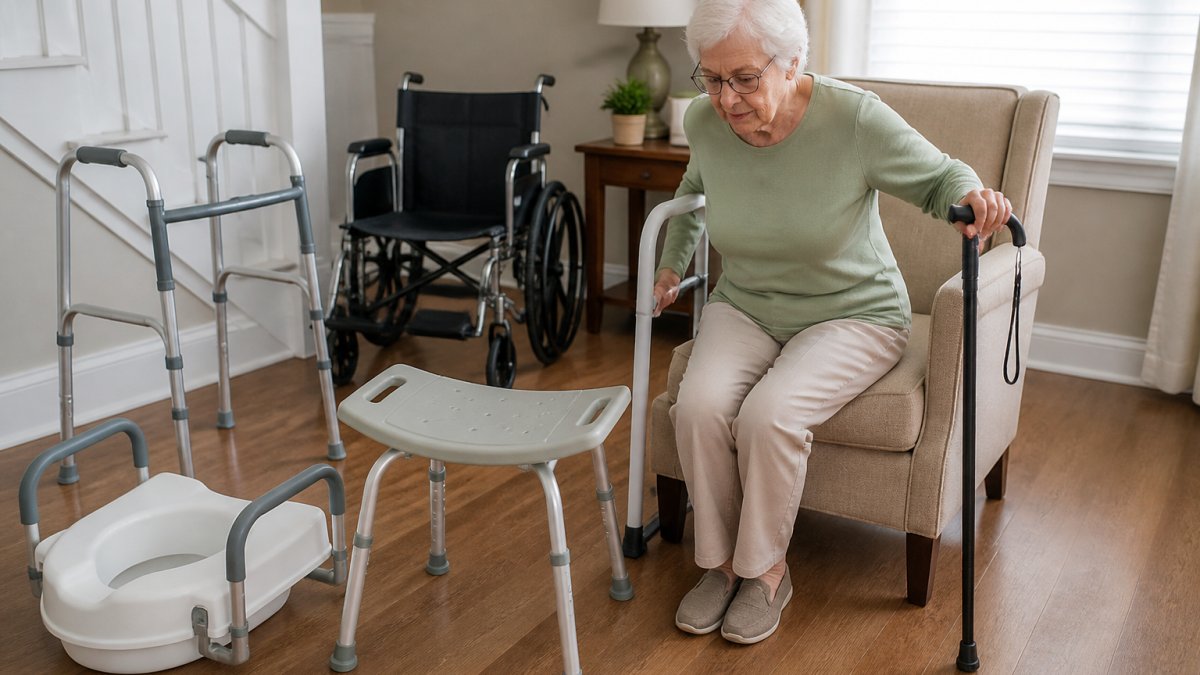
- Equipment needed (walker, shower chair, hospital bed)
- Home modifications required
- Supplies to purchase before discharge
Follow-Up Care:
- Doctor appointments and dates
- Therapy sessions (physical, occupational, speech)
- Home health visits
Emergency Contacts:
- Primary care physician phone number
- Hospital discharge line number
- Pharmacy contact information
Print this checklist, update it as you receive information, and share it with family and caregivers.
Key Questions to Ask Before Hospital Discharge
Before you leave, clarify recovery expectations: activity restrictions, when you can shower, drive, or return to work, and what pain level is normal.
Discuss medication changes with your pharmacist, ask about interactions and side effects, and confirm refills before leaving.
Ask about diet restrictions, some conditions limit sodium, sugar, or certain foods. Get written guidelines if possible.
Request direct numbers for your doctor's office, not just the main hospital line.
Home Safety Checklist After Surgery
Your home should support recovery. Before you arrive, clear pathways of cords, rugs, and clutter, and ensure adequate lighting in hallways and bathrooms.

Install safety equipment in high-risk areas:
- Grab bars near toilets and in showers
- Non-slip mats on bathroom floors
- Handrails on stairs if available
Organize your recovery space on one level if possible, since climbing stairs slows healing.
Check your bathroom: clear space under the sink for a walker or wheelchair, install a shower chair or bench, and ensure towel racks won't be used for support. Make Your House Wheelchair Accessible: A Step-by-Step Guide provides detailed instructions for modifying bathrooms and other areas of your home to support safe mobility during recovery.
Arrange furniture to create clear walking paths. Ensure seating is firm and at appropriate height, since soft couches make standing difficult.
CDC home safety recommendations emphasize fall prevention for older adults and those recovering from surgery.
Managing Medications and Medical Equipment at Home
Medication errors are common during recovery. Stay organized with a labeled pill organizer and phone reminders.
Medication Reconciliation and Organization
Keep a current list of all medications, prescriptions, over-the-counter medicines, and supplements, with dosage and frequency.
Reconciliation means comparing your discharge list with your home medications so you know which old medicines to stop.
Ask your pharmacist to review all medications for dangerous interactions and duplicate therapies.
Store medications in their original labeled bottles in a cool, dry place away from sunlight, children, and pets.
Set up a medication schedule. This prevents taking the same dose twice. FDA medication safety guidance recommends keeping written records of all medications and doses.
Setting Up Durable Medical Equipment
Durable medical equipment (DME) includes walkers, wheelchairs, and hospital beds.
Common equipment after surgery includes:
- Walker or cane for mobility support
- Wheelchair for longer distances
- Hospital bed with adjustable height
Learn proper use of each item, since incorrect use causes falls and injuries. Ask a physical therapist to demonstrate and request a written guide.
Know who to call for equipment maintenance and repairs; some suppliers provide loaners while yours is fixed. Keep contact information accessible.
For detailed guidance on setting up your home medical environment, learn about home care recovery setup and medication management strategies to ensure your space supports healing.
Your Caregiver Checklist After Hospital Discharge
If you have a caregiver, prepare them before you leave the hospital. They need to understand your condition, recovery goals, and which tasks they'll handle versus which you'll do independently.
Your caregiver should know:
- Your medication schedule and how to help you remember doses
- Warning signs that mean you need medical attention
- How to help with personal care safely
Preventing Caregiver Burnout
Caregiving is physically and emotionally demanding. When primary caregivers skip breaks, sleep, and their own medical appointments, their health declines, raising the risk of medication errors, missed warning signs, and readmission.
Watch for these warning signs in yourself or the person caring for you:
- Persistent fatigue that doesn't improve with rest
- Irritability, resentment, or emotional numbness
- Withdrawing from friends, hobbies, or work
If several of these apply, treat it as a care-plan problem, not a personal failing. Build relief into the schedule from day one.
Building a Respite and Backup Plan
Respite care gives the primary caregiver scheduled time away. Plan it before discharge rather than waiting for a crisis.
- Name a backup caregiver. Identify at least one other person who can step in for a few hours, and make sure they know the medication schedule and warning signs.
- Schedule relief blocks. Even two or three hours, two or three times a week, protects the caregiver's health.
- Use professional respite care. Home care agencies offer short shifts specifically for caregiver relief. Ask about minimum visit lengths and whether insurance or Medicaid waiver programs cover respite.
Protecting the Caregiver's Own Health
The caregiver should keep their own primary care appointments, take their prescribed medications, and maintain sleep. If the caregiver has a chronic condition, ask their doctor how caregiving affects it.
Caregiver support resources from the National Alliance for Caregiving provide guidance on selecting and working with caregivers effectively, including respite planning and support groups. Professional caregivers can provide scheduled respite so family caregivers can rest.
If You're Hiring Professional Caregivers
Interview carefully. Ask about their experience with your specific condition. Ask how they handle emergencies. Request references from previous clients. Verify their background check and certifications. Confirm in writing what tasks are included, bathing, meal preparation, medication reminders, transportation, and what costs extra.
Arranging Follow-Up Care and Monitoring Recovery
Schedule follow-up appointments before you leave the hospital. Your primary care doctor typically needs to see you within one to two weeks of discharge. Specialists may need to see you sooner depending on your surgery or condition.
Prepare a list of questions for each appointment. Write down symptoms you've noticed. Bring your medication list and any test results. Ask about when you can resume normal activities.
Home Health Services and Insurance Navigation
Home health services provide nursing care and therapy at home. How to get approved for home health after surgery explains the process for accessing these services. Your doctor can refer you, or you can request services directly.
Coverage varies, so verify it before services start:
- Medicare: Home health is covered under Medicare Part A or Part B when you meet eligibility rules, you must be homebound, under a doctor's plan of care, and need skilled nursing or therapy on an intermittent basis. Medicare generally pays 100% for covered home health services, but confirm with the agency.
- Medicare Advantage: Rules and networks differ by plan. Call the plan's member services line and ask which home health agencies are in-network.
- Medicaid: Coverage and waiver programs vary by state. Ask your discharge planner about waiver programs that cover personal care or respite.
Ask each agency: What does insurance cover, what will I owe, and do you bill insurance directly or expect payment upfront? Get the answer in writing.
Red Flags: When to Call vs. When to Go to the ER
A recovery journal helps you spot patterns, but know the thresholds that require action. Call your doctor or home health nurse promptly for:
- A fever above 100.4°F (38°C)
- Increasing pain not controlled by prescribed medication
- Redness, warmth, swelling, or drainage at a surgical site
Call 911 or go to the emergency room for:
- Chest pain or pressure
- Sudden weakness or numbness on one side, facial drooping, or trouble speaking
- Severe shortness of breath or blue lips
Using Digital Tools to Monitor Recovery
Most guides stop at paper journals. Digital tools add a layer of safety:
- Remote patient monitoring: Some home health agencies supply connected scales, blood pressure cuffs, or pulse oximeters that transmit readings to a nurse. Ask your doctor or agency whether you qualify.
- Telehealth visits: Many insurers now cover video follow-ups for medication checks and wound reviews. Confirm coverage before the visit.
- Medication reminder apps: Set alarms for each dose and log when taken. Share the log with your caregiver.
Tracking Progress
Keep a simple daily log: energy level, pain score, mobility, appetite, sleep, and any new symptoms. Note what activities you did and how they affected you. Share the log at each appointment. Recovery isn't always linear, some days feel better than others, and that's normal. But a pattern of decline over two or three days warrants a call to your doctor.
Preparing for the Transition Home
The day you leave the hospital, have someone pick you up.
Prepare your home the day before discharge if possible.
Have your discharge paperwork organized.
Plan your first week at home carefully. Rest is your primary job.
Prepare emotionally for recovery at home. The transition from hospital care to independence takes time.
The first days home are critical. You're adjusting to a new environment while healing.
We understand how overwhelming this transition feels. If you need professional caregiving assistance during your recovery, our 24/7 care services in Ohio and North Carolina are designed to give you peace of mind while you focus on getting better. Create Account to learn how our caregivers can support your specific recovery needs.
| Planning Area | Key Actions | Timeline |
|---|---|---|
| Discharge Planning | Review discharge summary, ask questions, get contact information | Before leaving hospital |
| Home Safety | Remove hazards, install grab bars, clear pathways | Before arrival home |
| Medications | Fill prescriptions, organize doses, create schedule | Before arrival home |
| Medical Equipment | Order DME, arrange delivery and setup, learn to use | Before arrival home |
| Caregiving | Arrange help, hire professional caregivers if needed, plan respite care | Before or immediately after discharge |
| Follow-Up Care | Schedule appointments, arrange therapy, plan monitoring | Before leaving hospital |
Frequently Asked Questions
What should I do before my loved one is discharged from the hospital?
Before discharge, coordinate with the hospital discharge planner to understand your loved one's medical needs, obtain a complete discharge summary, and confirm all prescriptions and follow-up appointments. Review the hospital discharge planning checklist to ensure you have home modifications completed, medical equipment delivered, and a caregiver arranged if needed. Ask about warning signs of complications and clarify which symptoms require immediate medical attention. Having everything prepared reduces re-hospitalization risk and supports a smoother transition to home care after hospital discharge.
How do I prepare my home for someone returning from the hospital?
Use a home safety checklist after surgery to identify hazards: remove tripping obstacles, install grab bars in bathrooms, ensure adequate lighting, and arrange frequently used items at waist height to minimize bending. Set up a recovery space on the main floor if your loved one has mobility limitations. Confirm that durable medical equipment like walkers, shower chairs, or hospital beds are delivered and properly positioned. Stock the home with easy-to-prepare meals, medications organized by time of day, and supplies for wound care if needed. Clear pathways and remove clutter to prevent falls during the recovery period.
What information should I have before home care begins?
Gather the discharge summary with diagnosis, medications, and restrictions; contact information for the attending physician and specialists; a list of vital signs monitoring parameters and when to check them; instructions for activities of daily living assistance; wound care protocols if applicable; and emergency contacts. Confirm your caregiver has access to this information and understands the care plan. Discuss medication adherence strategies, physical therapy or occupational therapy schedules, and any dietary restrictions. Having organized, accessible information ensures continuity of care and helps prevent gaps in the transition from hospital to home-based recovery.
When should I contact the doctor after hospital discharge?
Contact your doctor immediately if you notice signs of re-hospitalization risk: fever above 101°F, severe pain, difficulty breathing, chest pain, signs of infection around wounds, or inability to take medications. Call if your loved one experiences falls, confusion, or significant changes in mobility or appetite. Schedule the first follow-up appointment before leaving the hospital, typically within 7-14 days. Do not wait for symptoms to worsen. Your discharge summary should list specific warning signs unique to your loved one's condition. Prompt communication with the attending physician supports recovery milestones and prevents complications.