 how-to
Independent Living Support for Seniors: A Complete Guide
Table of Contents
- What Independent Living Support Means for Seniors
- Activities of Daily Living Assessment: Determining Care Needs
- Senior Housing Options and Supportive Services
- Hiring Home Caregivers for Stubborn Seniors
- Medicare Coverage for Home Health Care Services
- Government Programs and Financial Assistance for Aging in Place
- Creating a Safe, Independent Home Environment
- Frequently Asked Questions
Last Updated: September 2, 2026
What Independent Living Support Means for Seniors
Independent living support helps older adults maintain autonomy, dignity, and quality of life while aging in place. Rather than moving to institutional settings, seniors receive personalized assistance that allows them to stay in their own homes while managing daily tasks, health needs, and social connections.
At Katys home healthcare, we understand that independence means having the right support system so seniors can make their own choices and remain engaged in their communities. This might mean help with household tasks, personal care, medication management, or recovery after surgery.
Independent living support differs fundamentally from assisted living facilities or nursing homes. It's flexible, person-centered, and designed around each individual's specific needs. Some seniors need a few hours of help each week; others require 24/7 care. The level of support adjusts as circumstances change.
The real value lies in maintaining control. Your parent wakes up in their own bed, eats what they want, keeps their belongings around them, and receives help on their own terms. That psychological benefit often translates into better health outcomes and higher life satisfaction.
Activities of Daily Living Assessment: Determining Care Needs
An activities of daily living (ADL) assessment is a formal evaluation that determines what kind of help a senior actually needs. It identifies specific gaps between what your loved one can do independently and what requires assistance.
ADLs fall into two categories: basic ADLs (bathing, dressing, toileting, eating, mobility) and instrumental ADLs (managing finances, preparing meals, taking medications, shopping, doing laundry, household maintenance). Most seniors can handle some tasks independently while needing help with others.
A qualified healthcare provider, typically a nurse or social worker, conducts this assessment. They observe your loved one performing various tasks, ask detailed questions about daily routines, and review medical history. They're identifying where safety risks exist or where independence could be restored with the right support.
Many seniors regain function they thought they'd lost. Someone recovering from hip surgery might believe they'll never climb stairs again, but with proper physical therapy and temporary assistance, they often do. An assessment helps distinguish between permanent limitations and temporary setbacks that respond to rehabilitation.
The assessment also considers cognitive factors. Someone with early memory loss might manage personal hygiene fine but forget to take medications or pay bills. Understanding these nuances prevents over-serving for care while ensuring no critical needs go unmet.
Senior Housing Options and Supportive Services
When independent living support is combined with housing options, seniors have choices that preserve autonomy while providing safety.
Independent living communities are residential facilities designed for active seniors who need minimal assistance. Residents have their own apartments within a community that offers dining, activities, and basic support services. These work well for seniors who want social connection and convenient amenities but don't yet need significant personal care.
Aging in place, staying in your own home with supportive services, remains the preference for most seniors and often delivers the best outcomes. With the right mix of home health services, home modifications, and community-based support, many older adults thrive in familiar surroundings.
Assisted living facilities provide a middle ground. Residents receive help with ADLs, medication management, and some medical care. These work for seniors who need more support than independent living offers but don't require 24-hour skilled nursing.
Respite care services are often overlooked but essential. If you're the primary caregiver for a parent with advanced dementia or mobility issues, respite care gives you a break while ensuring your loved one receives professional care. Without respite, family caregivers burn out quickly, leading to worse outcomes for everyone.
Community-based services round out the landscape: senior centers offering activities and meals, volunteer transportation programs, meal delivery services, and telehealth options. Many are subsidized or free for low-income seniors through government programs.
Hiring Home Caregivers for Stubborn Seniors
Hiring a home caregiver for a senior who resists help is delicate. Your parent might see accepting care as a loss of independence, worry about privacy, or feel uncomfortable with a stranger in their home. The right caregiver can transform that resistance into trust.
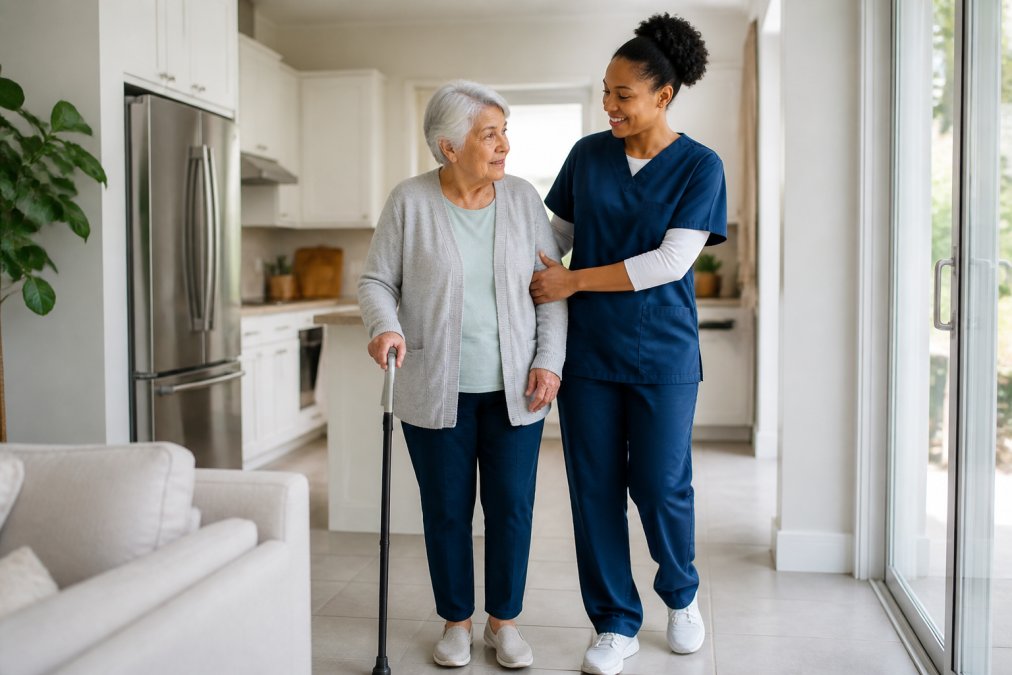
Before bringing anyone into the home, talk honestly with your parent about what's changed and why help matters. Frame caregiving as support for the life they want to live, not surveillance or control. A senior who's fallen twice in a month isn't independent, they're at risk.
When interviewing caregivers, look for experience with difficult personalities and behavioral challenges. Ask directly: "How do you handle someone who doesn't want your help?" A good caregiver won't promise your parent will suddenly cooperate. Instead, they'll describe building trust gradually, respecting boundaries, and finding ways to help that feel collaborative. Someone with dementia who becomes aggressive needs a caregiver trained in de-escalation. These aren't failures, they're normal challenges experienced caregivers navigate.
Consistency matters enormously. If a different caregiver shows up each week, your parent will never develop trust. When possible, hire the same person for regular shifts. This builds relationship, allows the caregiver to learn your parent's routines and preferences, and gives your parent predictability.
At Katys home healthcare, we know that stubborn seniors often respond best to caregivers who treat them as people first and care recipients second. Our team has over a decade of experience working with seniors who initially resisted help, including those with dementia, behavioral challenges, or strong personalities. We prioritize consistent staffing so your parent works with the same familiar caregiver whenever possible.
Start with limited hours. A few hours per week for housekeeping or meal prep feels less invasive than full-time care. As your parent sees the value and builds comfort with the caregiver, expand the scope.
Medicare Coverage for Home Health Care Services
Medicare covers home health care services, but only under specific conditions. Understanding what's covered prevents surprises and helps you plan realistically.
Medicare Part A covers skilled home health care for seniors who are homebound and meet medical necessity requirements (cms.gov). "Skilled" is the key word, the care must involve nursing, physical therapy, occupational therapy, or speech therapy ordered by a physician. A nurse checking on medication compliance, a physical therapist helping with post-surgical recovery, or an occupational therapist teaching adaptive techniques for arthritis are covered. Personal care assistance is covered only if it's part of a skilled service, not as a standalone service.
You must meet several conditions for coverage. Your parent needs to be homebound, unable to leave home except with considerable difficulty. A doctor must order the services and establish a plan of care. Services must come from a Medicare-certified home health agency. The care must be medically necessary and skilled, not custodial.
After a hospital stay, Medicare typically covers 60 days of home health services. If your parent needs ongoing personal care after that period, Medicare won't pay. You'll need to arrange private pay or explore other programs.
Medicare doesn't cover housekeeping, meal preparation, yard work, or personal care unrelated to skilled services. Neither are medications, medical equipment rentals, or 24/7 in-home supervision. Understanding these limits early allows you to plan and budget realistically.
Government Programs and Financial Assistance for Aging in Place
Several government programs help seniors afford the care and support needed to age in place.
Medicaid is the largest payer of long-term care services for seniors (cms.gov). Unlike Medicare, which is age-based, Medicaid is need-based. If your parent's income and assets fall below state limits, Medicaid can cover nursing care, personal care assistance, home modifications, and adult day care services. Medicaid rules vary significantly by state, but most cover in-home personal care services for eligible seniors.
The Older Americans Act funds community-based services for seniors 60 and older, regardless of income. These include congregate meals, home-delivered meals, transportation, adult day care, and caregiver support services. These programs are often free or low-cost. Contact your local Area Agency on Aging to learn what's available in your area.
Veterans and their surviving spouses may qualify for Aid and Attendance benefits, a VA program that helps pay for in-home care, assisted living, or nursing home care. This program is often underutilized because many families don't realize they qualify.
Some states offer home and community-based services waivers that allow Medicaid to fund in-home care as an alternative to nursing facility care. Eligibility and covered services vary by state.
Property tax relief programs exist in many states for seniors with limited income. While not directly funding care, reducing housing costs frees up money for services. Similarly, some states offer utility assistance programs.
The Supplemental Nutrition Assistance Program (SNAP) and the Senior Farmers Market Nutrition Program help seniors afford food. These programs are income-based and often underutilized.
Creating a Safe, Independent Home Environment
A safe home environment is the foundation of successful independent living support. The right modifications prevent falls, reduce injury risk, and allow seniors to navigate their homes confidently.
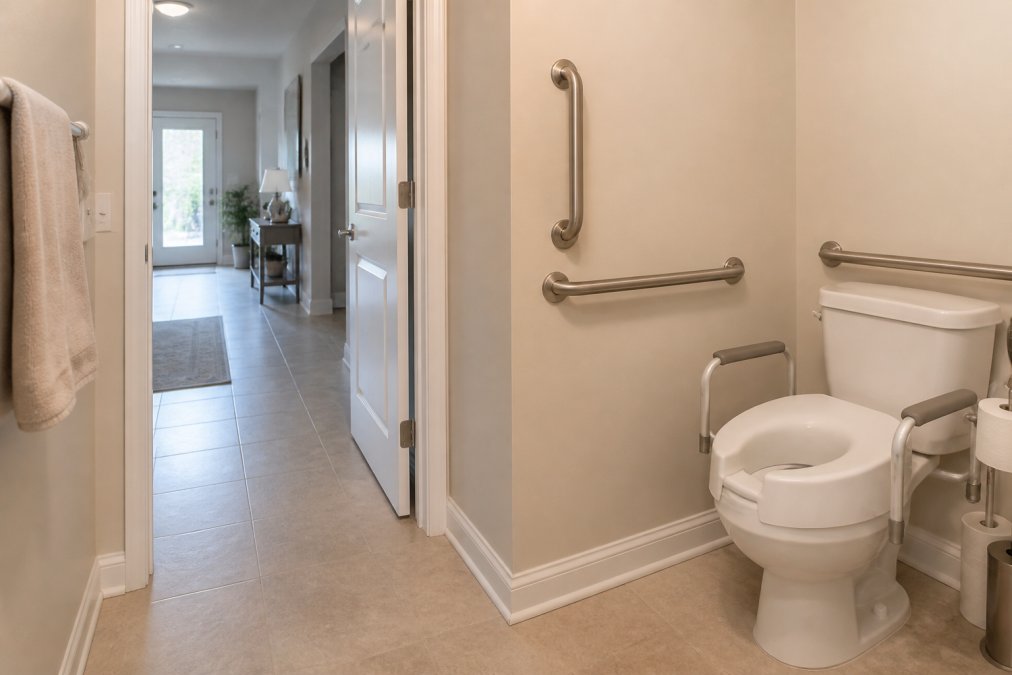
Falls are the leading cause of injury-related death among seniors (the CDC). Most happen at home, often in bathrooms and on stairs. Install grab bars in bathrooms near toilets and tubs, not towel racks. Add non-slip mats to tub bottoms. Improve lighting, especially on stairs and in hallways. Remove tripping hazards like loose rugs, clutter, and electrical cords.
A raised toilet seat with grab bars, a shower chair, and a handheld showerhead make bathing safer for seniors with mobility limitations. Walk-in tubs or roll-in showers accommodate wheelchairs and walkers. These modifications prevent expensive falls and hospitalizations.
Stairs present ongoing challenges. A stair lift or residential elevator preserves access to multiple floors. For limited budgets, consolidating living space to one floor reduces stair dependency.
A bed at appropriate height with sturdy rails helps with transfers. Good lighting for nighttime bathroom trips reduces fall risk. A bedside commode can help someone with mobility issues avoid nighttime bathroom trips.
Kitchen safety involves ensuring frequently used items are at waist height, removing clutter, and ensuring adequate lighting. A kitchen stool with back support allows your parent to sit while preparing food.
Lighting is profoundly important. Seniors need more light than younger people to see clearly. Install bright bulbs throughout the home, especially on stairs, in hallways, and bathrooms. Motion-activated lights help seniors navigate at night.
Technology increasingly supports independent living. Medication reminder systems alert seniors to take pills on schedule. Fall detection devices alert emergency contacts if a senior falls. Smart home systems let seniors control lights, temperature, and locks. Telehealth allows medical consultations without leaving home. Video doorbells let homebound seniors see visitors.
A professional home assessment by an occupational therapist identifies risks you might miss. They evaluate your parent's specific mobility, vision, and cognitive abilities, then recommend targeted modifications.
Independent living support for seniors is fundamentally about preserving choice, dignity, and quality of life during the aging process. When seniors have the right combination of supportive services, safe home environments, and consistent caregiving relationships, they thrive in their own homes and communities.
At Katys home healthcare, we've spent over a decade helping seniors and their families navigate this journey. Our 24/7 caregiving services, trained team experienced with complex behavioral and medical needs, and commitment to consistent staffing means your loved one receives the compassionate, professional support needed to maintain independence. Contact us today to discuss how we can support your family's independent living goals.
Frequently Asked Questions
How do I know if my aging parent needs independent living support?
Signs include difficulty managing personal hygiene, medication management, meal preparation, or mobility around the home. An activities of daily living assessment can help identify specific needs. Common indicators are forgetting to eat, struggling with bathing, or becoming isolated at home. A consultation with a healthcare provider or home care professional can clarify what level of support is appropriate for your parent's situation.
Does Medicare cover home health care services?
Medicare Part A covers skilled home health care when a doctor orders it and you meet specific criteria, such as being homebound and requiring part-time skilled nursing or therapy. However, Medicare coverage for personal care assistance (like bathing or dressing) depends on whether skilled care is also needed. For detailed information about what Medicare covers for your situation, contact Medicare directly or speak with your healthcare provider about your eligibility.
What financial assistance programs help seniors age in place?
Several programs provide support: Medicaid covers home and community-based services in many states; the Older Americans Act funds community services like meal delivery and transportation; and Veterans Benefits may cover home care for eligible veterans. Each program has different eligibility requirements, so contact your local Area Agency on Aging or state Medicaid office to learn which programs apply to your situation.
How can I help a stubborn senior accept home care support?
Start conversations early, before a crisis forces the issue. Frame care as helping them stay in their home longer, not as a loss of independence. Involve them in choosing caregivers and setting routines. Professional caregivers experienced with resistant seniors can build trust gradually through consistency and respect for their autonomy. Acknowledging their concerns and letting them maintain control over daily decisions helps them feel empowered rather than managed.
This article was written using GrandRanker