 ultimate-guide
Personalized Home Care Plans for Seniors: A Complete Guide
Table of Contents
- What Makes a Personalized Home Care Plan Essential
- Senior Home Care Assessment Checklist: Starting with Professional Evaluation
- How to Hire a Private Caregiver for Seniors: Building Your Care Team
- Core Components of a Comprehensive Personalized Care Plan
- Medicare Home Health Coverage Requirements and Financial Planning
- Supporting the Caregiver: Preventing Burnout and Family Involvement
- Technology Integration and Care Plan Review
- Maintaining Dignity, Independence, and Quality of Life
- Frequently Asked Questions
Last Updated: August 18, 2026
What Makes a Personalized Home Care Plan Essential
A personalized home care plan is a comprehensive, tailored strategy designed specifically for an individual senior's medical, physical, and emotional needs. It's a living document that evolves as circumstances change, ensuring your loved one receives exactly the support they need to maintain independence and quality of life.
Without a structured plan, caregivers improvise, medications get missed, and seniors often experience unnecessary decline. A well-designed personalized care plan prevents gaps, coordinates multiple caregivers, tracks health changes, and gives families peace of mind that nothing falls through the cracks.
Seniors want to age in place, maintaining their dignity and independence in familiar surroundings. A personalized care plan makes that possible by identifying exactly what support is needed, who provides it, when it happens, and how it's monitored. Without this clarity, families either under-support their loved ones (risking safety) or over-support them (undermining independence).
Senior Home Care Assessment Checklist: Starting with Professional Evaluation
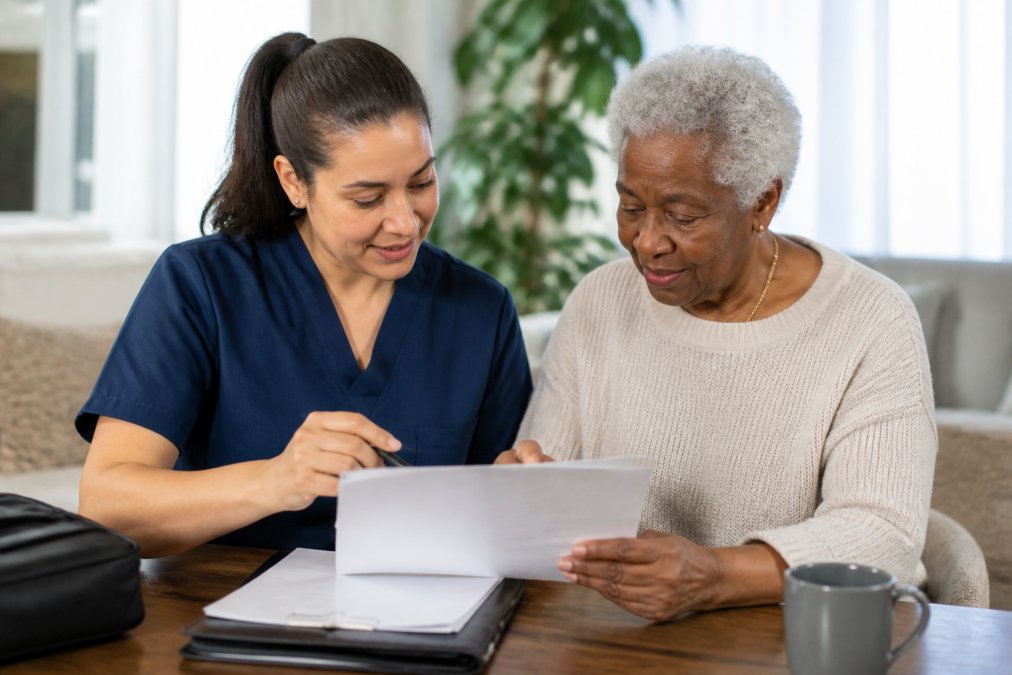
A professional assessment is the foundation of any effective personalized home care plan. A licensed healthcare provider, nurse, social worker, or geriatric care manager evaluates your loved one's physical health, cognitive function, living situation, and support network. This professional brings objectivity that family members can't provide.
Activities of Daily Living and Instrumental Activities of Daily Living
The assessment focuses on two categories: activities of daily living (ADLs) and instrumental activities of daily living (IADLs).
ADLs are the basics: bathing, dressing, toileting, eating, transferring from bed to chair, and continence management. IADLs are more complex: managing medications, handling finances, preparing meals, doing laundry, shopping, and using transportation.
The assessment scores your senior's ability in each area on a scale from independent to fully dependent. This becomes your roadmap.
| Activity | Independent | Needs Help | Fully Dependent | Notes |
|---|---|---|---|---|
| Bathing | ☐ | ☐ | ☐ | Safety concerns? |
| Dressing | ☐ | ☐ | ☐ | Cognitive or physical? |
| Medication management | ☐ | ☐ | ☐ | Compliance issues? |
| Meal preparation | ☐ | ☐ | ☐ | Dietary restrictions? |
| Mobility/transfers | ☐ | ☐ | ☐ | Fall risk level? |
| Financial management | ☐ | ☐ | ☐ | Cognitive decline? |
| Transportation | ☐ | ☐ | ☐ | Can they drive safely? |
This checklist becomes the starting point for your personalized care plan.
Medical and Emotional Needs Review
The assessment must capture medical complexity and emotional well-being. Many seniors have multiple chronic conditions that interact with each other and medications. Depression is common in aging adults and often goes undiagnosed because it's mistaken for normal aging.
The emotional needs review should address:
- Social engagement: Is your senior isolated?
- Purpose and autonomy: What activities matter to them?
- Mental health: Any signs of depression, anxiety, or cognitive decline?
- Spiritual or cultural needs: Do they have religious practices or cultural traditions that matter?
A personalized home care plan that ignores emotional well-being fails. Your loved one might be physically safe but emotionally declining.
How to Hire a Private Caregiver for Seniors: Building Your Care Team
Once you understand what care is needed, finding the right caregiver is critical. You're inviting someone into your parent's home, trusting them with intimate care and medical decisions. The hiring process should be rigorous.
Defining Caregiver Qualifications and Experience
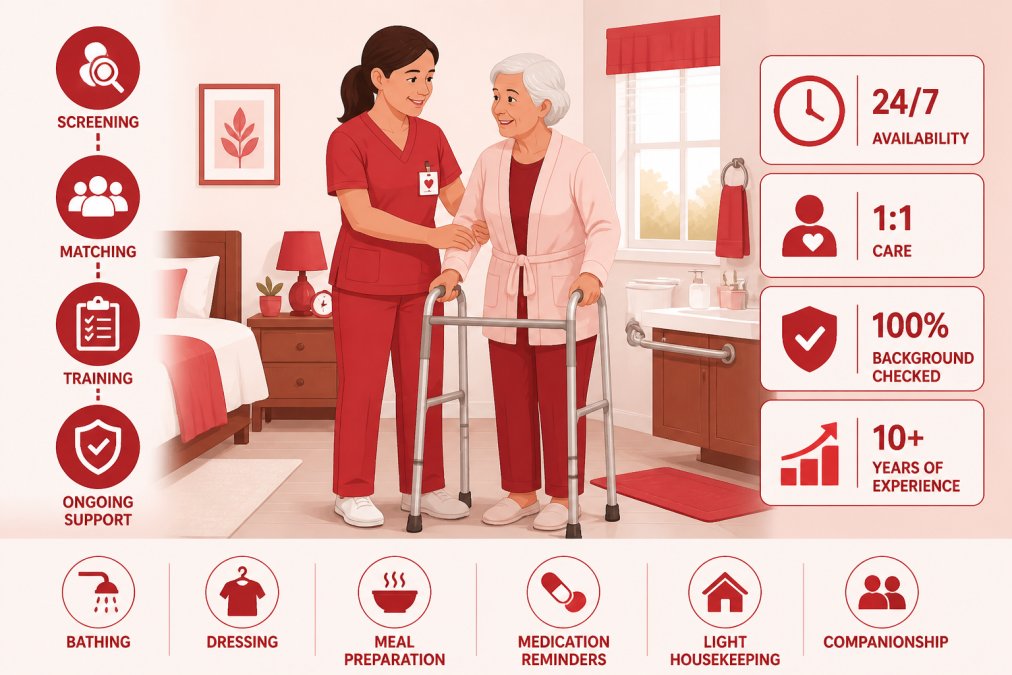
Start with clarity on what you actually need. For seniors with advanced medical needs, wound care, catheter management, medication administration, you need a certified nursing assistant (CNA) or licensed practical nurse (LPN).
For seniors needing help with ADLs, mobility assistance, meal preparation, and companionship, a personal care attendant or companion caregiver often suffices. They should have relevant experience and proper training in areas like fall prevention and safe transfers.
Experience matters more than credentials alone. A caregiver with five years of experience managing dementia patients is more valuable than someone with fresh certification but no practical knowledge.
Red flags during hiring:
- Unwilling to provide references or background check authorization
- Vague about their experience or training
- Uncomfortable discussing specific care scenarios
- No clear understanding of your senior's medical needs
Ensuring Consistency and Trust in Your Care Team
Consistency is essential. Different caregivers create confusion, increase medication errors, and undermine your senior's sense of security. If possible, assign one primary caregiver with a backup for days off.
Before hiring, discuss your expectations clearly:
- Will this be the same person every day, or will they rotate?
- What's the process if they're sick or need time off?
- How will continuity be maintained across shifts?
- What happens if they need to leave the position?
Trust develops through consistent presence and demonstrated competence.
Core Components of a Comprehensive Personalized Care Plan
A solid personalized care plan includes several key components, each addressing a different aspect of your senior's well-being.
Medication Management and Health Monitoring
Medication errors are among the most common preventable harms for seniors. A personalized care plan documents every medication, name, dosage, timing, and purpose, in one place.
Create a medication log that caregivers can reference:
- Current medications with dosages and timing
- Known allergies and adverse reactions
- Doctor contacts for each medication
- Pharmacy information and prescription refill process
- Signs of side effects or medication problems to watch for
Health monitoring goes beyond medication. Document baseline vital signs, normal patterns, and what changes warrant concern. Establish a system for tracking health changes, a notebook, digital app, or shared document with caregivers. This creates a record that helps doctors spot patterns.
Daily Routines and Social Engagement
Routines provide structure and predictability. A personalized care plan documents daily routines: wake time, meal times, medication times, activity times, rest periods.
Social engagement is critical for mental health and quality of life. Isolation accelerates cognitive decline and depression. A good plan includes:
- Regular visits from family or friends
- Participation in community activities or senior programs
- Phone or video calls with loved ones
- Hobbies or interests they can pursue
- Volunteer opportunities if they're able
Safety Modifications and Mobility Assistance
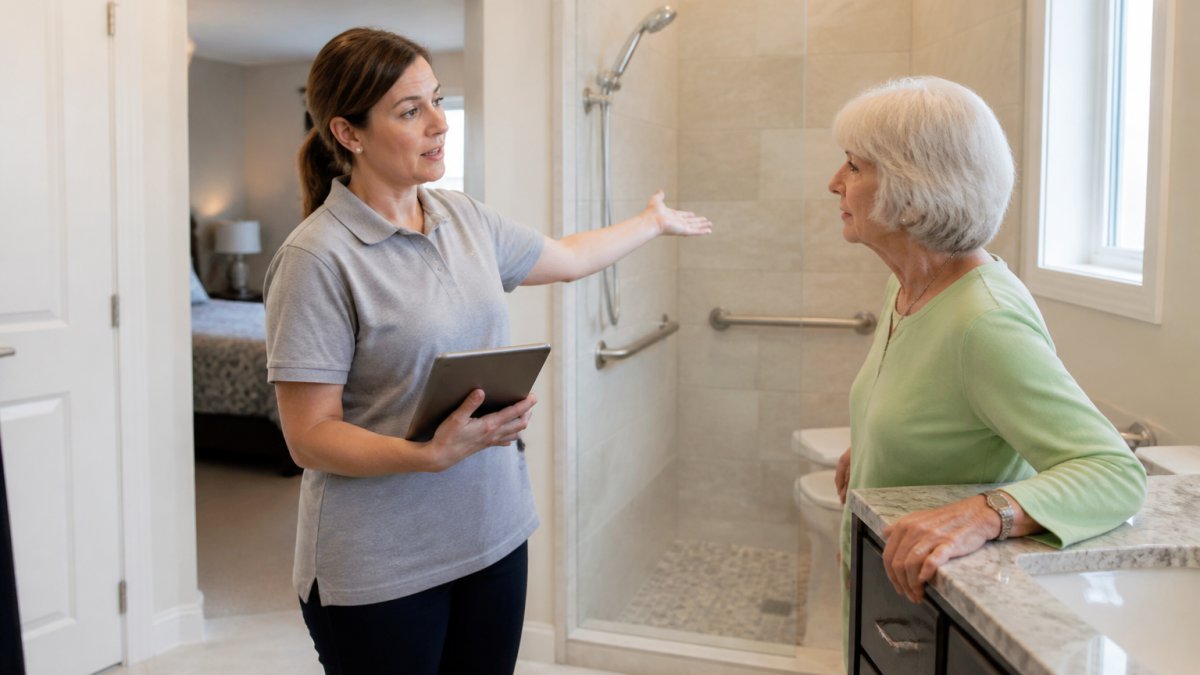
Home safety prevents falls, injuries, and emergencies. A professional assessment identifies hazards: inadequate lighting, loose rugs, bathroom safety issues, stair accessibility, and kitchen safety for someone with cognitive decline.
Mobility assistance needs change over time. Document mobility capabilities and limitations clearly. Can they walk with assistance? Do they use a wheelchair? What transfers are safe? This prevents caregivers from attempting unsafe maneuvers.
Medicare Home Health Coverage Requirements and Financial Planning
Medicare Part A covers skilled home health services, nursing care, physical therapy, occupational therapy, when ordered by a doctor and provided by a Medicare-certified agency. This is time-limited and medically necessary care, not ongoing personal care.
Medicare does not cover custodial care: help with bathing, dressing, meals, and daily activities. This is where most families face costs. Medicaid coverage varies by state but often covers custodial care for seniors with limited income and assets.
For seniors without Medicaid eligibility, costs for private caregiving vary widely depending on location, caregiver qualifications, and hours needed. Work with a financial advisor or elder law attorney to understand:
- What Medicare and Medicaid actually cover in your state
- Whether your senior has long-term care insurance
- How to structure finances to qualify for Medicaid if needed
- Tax implications of hiring caregivers
- Options for funding care
This conversation should happen before crisis forces decisions.
Supporting the Caregiver: Preventing Burnout and Family Involvement
Caregiving is emotionally and physically demanding. Family members often provide significant unpaid care alongside professional caregivers. Without support, they burn out, leading to poor decisions and health problems.
A personalized care plan should include respite care, temporary relief for primary caregivers. This might be a few hours weekly or a week annually where your senior stays in a facility. Respite care prevents caregiver burnout and improves care quality.
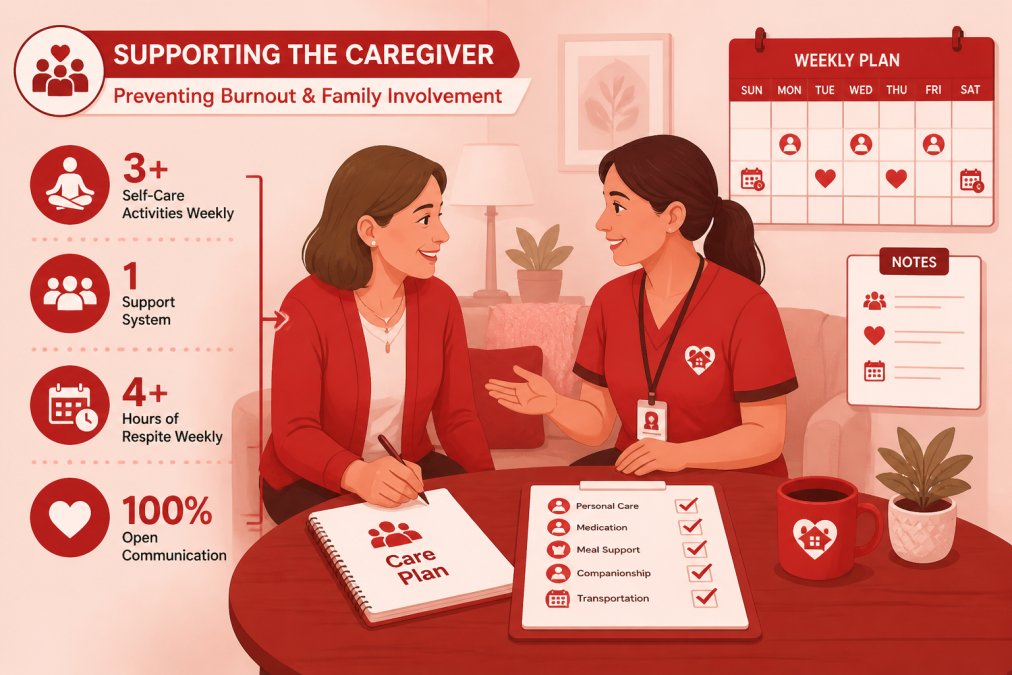
Regular family meetings, monthly or quarterly, keep everyone aligned on the care plan. Discuss what's working, what's not, changes in the senior's condition, and adjustments needed. Clear communication prevents resentment and ensures accountability.
Many families benefit from professional care coordination, a geriatric care manager who oversees the plan, communicates with providers, and adjusts as needed.
Technology Integration and Care Plan Review
Modern technology can enhance personalized home care significantly. Medication reminder apps, fall detection devices, remote monitoring systems, and health tracking apps all support better care coordination.
However, technology isn't a substitute for human connection or professional assessment. It's a tool that supports better care when used thoughtfully.
A personalized care plan should be reviewed regularly, at minimum quarterly, or whenever circumstances change significantly. Changes in health, new diagnoses, medication adjustments, or caregiver transitions all warrant plan updates. This is a living plan that evolves with your senior's needs.
Maintaining Dignity, Independence, and Quality of Life
The ultimate goal of a personalized home care plan is maintaining your senior's dignity, autonomy, and quality of life. This means respecting their preferences, supporting their independence where possible, and honoring what matters to them.
Dignity means allowing your senior to make choices, even imperfect ones. Independence means supporting what they can do rather than doing everything for them. Quality of life is deeply personal, for some seniors, it's spending time with grandchildren; for others, it's gardening, reading, or pursuing spiritual practice.
A personalized care plan identifies what matters and builds support around it. Creating a personalized home care plan requires time, honesty about your senior's needs, and coordination among family, caregivers, and healthcare providers. The investment upfront prevents crises, reduces costs, and ensures your loved one receives care aligned with their values and preferences. Katys home healthcare can help you develop a comprehensive plan and provide the skilled, consistent caregiving that brings it to life.
Frequently Asked Questions
Does Medicare pay for home care for seniors?
Medicare covers home health services when specific requirements are met, including a physician's order, homebound status, and medical necessity. Coverage typically includes skilled nursing, physical therapy, and occupational therapy. However, Medicare does not cover custodial care or non-medical assistance with activities of daily living. Review your personalized care plan with your healthcare provider to understand what services qualify for coverage and what out-of-pocket costs you may face.
What should be included in a senior home care assessment checklist?
A comprehensive assessment evaluates activities of daily living (bathing, dressing, eating), instrumental activities of daily living (cooking, medication management, finances), medical conditions, medication lists, mobility limitations, home safety hazards, cognitive status, and emotional well-being. The assessment also identifies chronic condition management needs and determines whether respite care or additional caregiver training is necessary. Professional assessments form the foundation of an effective personalized care plan.
How do I know if a private caregiver is trustworthy and qualified?
Verify background checks, certifications, and references before hiring. Ask about experience with specific conditions relevant to your loved one, dementia, post-surgical recovery, mobility assistance. Meet the caregiver in person, observe how they interact with your senior, and establish clear expectations about daily routines, medication management, and communication. Consistent staffing reduces adjustment time and builds trust. Ask potential caregivers how they handle challenging situations and whether they have training in patient-centered care.
What is the first step in creating a personalized home care plan?
Start with a professional comprehensive assessment conducted by a healthcare provider or care manager. This evaluation identifies your senior's specific needs, medical, functional, social, and emotional. The assessment documents activities of daily living capacity, medication management requirements, mobility limitations, and safety concerns. From this foundation, you can develop a tailored approach that addresses aging in place goals, defines caregiver responsibilities, establishes daily routines, and ensures quality of life while maintaining dignity and independence.
This article was written using GrandRanker