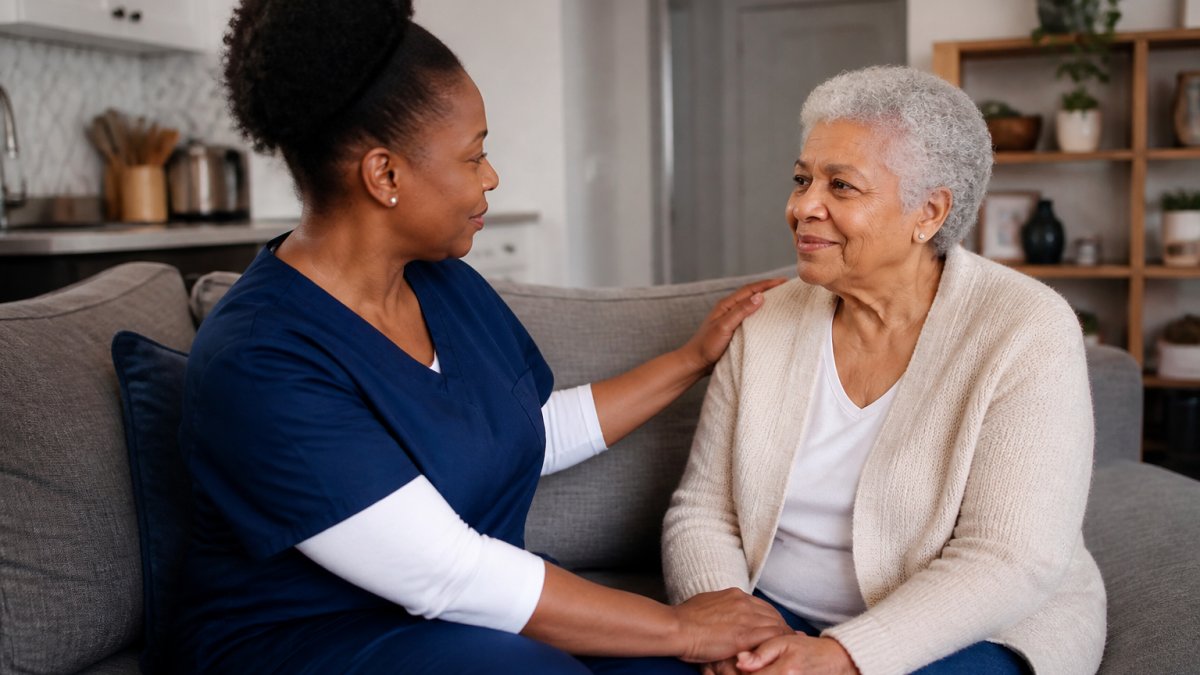
 listicle
5 Best Questions to Ask When Hiring a Caregiver
Table of Contents
- Why These 5 Questions Matter Most When Hiring a Caregiver
- Question 1: What Is Your Experience With My Loved One's Specific Health Condition?
- Question 2: How Will You Handle Emergencies and Unexpected Situations?
- Question 3: Can You Commit to Consistent Scheduling and Reliability?
- Question 4: What Are Your Certifications, Training, and Professional Qualifications?
- Question 5: How Do You Communicate With Family Members and Respect Boundaries?
- Essential Caregiver Interview Checklist
- Caregiver Reference Check Questions to Ask Previous Employers
- Frequently Asked Questions
Last Updated: October 19, 2026
Why These 5 Questions Matter Most When Hiring a Caregiver
Asking the right questions to ask when hiring a caregiver is one of the most important decisions you'll make for your loved one's care.
Families who conduct thorough interviews and reference checks report higher satisfaction, better continuity of care, and fewer emergency replacements; those who skip these steps often cycle through caregivers and start over.
The five questions to ask when hiring a caregiver below aren't a complete interview script, but they're the foundation, targeting experience with your loved one's specific condition, emergency readiness, reliability, professional qualifications, and communication style.
Question 1: What Is Your Experience With My Loved One's Specific Health Condition?
This is the most critical question you can ask. General experience is not the same as specific experience managing dementia, Parkinson's disease, post-surgical recovery, or mobility issues. Experience shapes how a caregiver responds to challenges, what they anticipate, and how they problem-solve.
What to Listen For
Listen for concrete examples, not vague reassurances. I've managed behavioral changes, helped with medication reminders, and worked with families on communication strategies when patients become frustrated or confused."
Pay attention to specifics: how many people they've cared for with this condition, for how long, their day-to-day responsibilities, and whether they worked with the person's doctor or care team.
Also ask how they stay current with best practices: training courses, updated guidance, direction from family and doctors. Caregivers committed to learning adapt better when needs change.
Red Flags in the Answer
Be cautious if a caregiver claims "general experience" with seniors but can't name the specific conditions they've managed.
Also watch for caregivers who downplay a condition's complexity. "Oh, dementia is easy, I just keep them on a schedule" is a red flag; dementia care is nuanced and unpredictable, and a caregiver who understands that is more prepared.
If they can't explain how they've handled specific challenges like medication management, behavioral changes, mobility assistance, or pain management, ask follow-up questions. Vague answers suggest limited experience.
Question 2: How Will You Handle Emergencies and Unexpected Situations?
Emergencies happen: a fall, a health crisis, sudden confusion. You need to know whether your caregiver will freeze, panic, or respond effectively.
What to Listen For
A good answer shows a clear thought process. Listen for: "If I saw signs of a stroke, facial drooping, slurred speech, arm weakness, I would call 911 immediately and stay with your loved one until help arrived (the CDC).
Strong caregivers talk about staying calm, calling emergency services when needed, communicating with family, and following the care plan.
Ask about a scenario relevant to your loved one: how they'd respond to low blood sugar if your parent has diabetes, or to unexpected bleeding or severe pain after surgery.
Also listen for clarifying questions. A caregiver who asks about medical history, current medications, emergency contacts, and your decision-making preferences is showing appropriate diligence.
Red Flags in the Answer
Be very cautious if a caregiver says "I'm not sure what I'd do." That's not acceptable for someone responsible for your loved one's safety.
Red flags also include "I'd just call you and wait for instructions" (they should call 911 for true emergencies), "I've never had to deal with that" (not reassuring if it's a foreseeable risk), or "I'd handle it myself" (without clarity on when professional help is needed).
If they can't describe a reasonable response to a common emergency scenario, keep looking. Emergency preparedness isn't optional.
Question 3: Can You Commit to Consistent Scheduling and Reliability?
Continuity of care matters enormously. When your loved one sees the same caregiver regularly, they build trust, routines become predictable, and the caregiver learns their preferences and patterns. Frequent caregiver changes create stress, confusion, and safety risks.
You need a caregiver who shows up consistently and gives advance notice if they can't. This question also tests whether they understand why reliability matters.
What to Listen For
Listen for commitment. A strong answer sounds like: "I understand consistency is important. I commit to being here on the scheduled days and times.
Pay attention to their attitude about scheduling: do they understand why it matters, do they have backup plans if they're sick, and have they worked in situations requiring consistent attendance before?
Also ask about flexibility: other commitments that might conflict, availability for your schedule, and whether they can commit for at least several months.
Red Flags in the Answer
Be cautious about caregivers who seem uncertain about their availability or have multiple other jobs that might pull them away.
Also watch for caregivers who seem annoyed by the question or treat scheduling as a minor detail rather than a core responsibility.
If they've had frequent job changes or employment gaps, ask why. Sometimes there are legitimate reasons, but sometimes it signals unreliability.
Question 4: What Are Your Certifications, Training, and Professional Qualifications?
Credentials matter, but they're not the whole story. Formal training and certifications provide foundational knowledge, especially for complex care needs, but credentials alone don't guarantee good caregiving; soft skills, judgment, and reliability matter too.
What to Listen For
Listen for specific certifications relevant to your loved one's needs. Common credentials include Certified Nursing Assistant (CNA), Home Health Aide (HHA), or certifications in dementia care, first aid, or CPR.
Also ask about ongoing training. Do they take refresher courses? Have they received training specific to your loved one's condition?
Pay attention to whether they're honest about their limitations. A caregiver who says "I have CNA training but I'm not a nurse, so I can't do certain medical tasks" is showing appropriate boundaries.
Red Flags in the Answer
Be cautious if a caregiver claims certifications but can't explain them or seems unsure about what they're allowed to do.
Also watch for caregivers who overstate their qualifications or claim to do medical tasks they're not trained for.
If they have no formal training and have never sought any, ask why. Sometimes life circumstances prevent formal training, but a willingness to learn matters.
Question 5: How Do You Communicate With Family Members and Respect Boundaries?
Caregiving happens in partnership with family. Your caregiver needs to keep you informed about your loved one's day, any concerns, changes in condition, or needs that have come up. They also need to respect your loved one's privacy, your family's preferences, and appropriate professional boundaries.
This question reveals whether they understand collaboration and professionalism.
What to Listen For
Listen for a clear communication plan.
Pay attention to their understanding of boundaries. Do they recognize that they're a professional caregiver, not a family member? Do they understand the importance of respecting your loved one's privacy and dignity?
Also ask how they'd handle disagreements or concerns. If your family member says something different than what the caregiver reported, or if you notice something that concerns you, how would they respond?
Red Flags in the Answer
Be cautious if a caregiver seems defensive about the idea of family communication or says "I'll handle it my way." You need someone who understands they're part of a care team.
Also watch for caregivers who seem unclear about professional boundaries.
If they seem unwilling to take feedback or direction, that's a red flag. Caregiving involves collaboration. If they can't work with you, move on.
Essential Caregiver Interview Checklist
Use this checklist to stay organized during your caregiver interviews and reference checks. Print it out or use it as a guide to ensure you cover the critical areas.
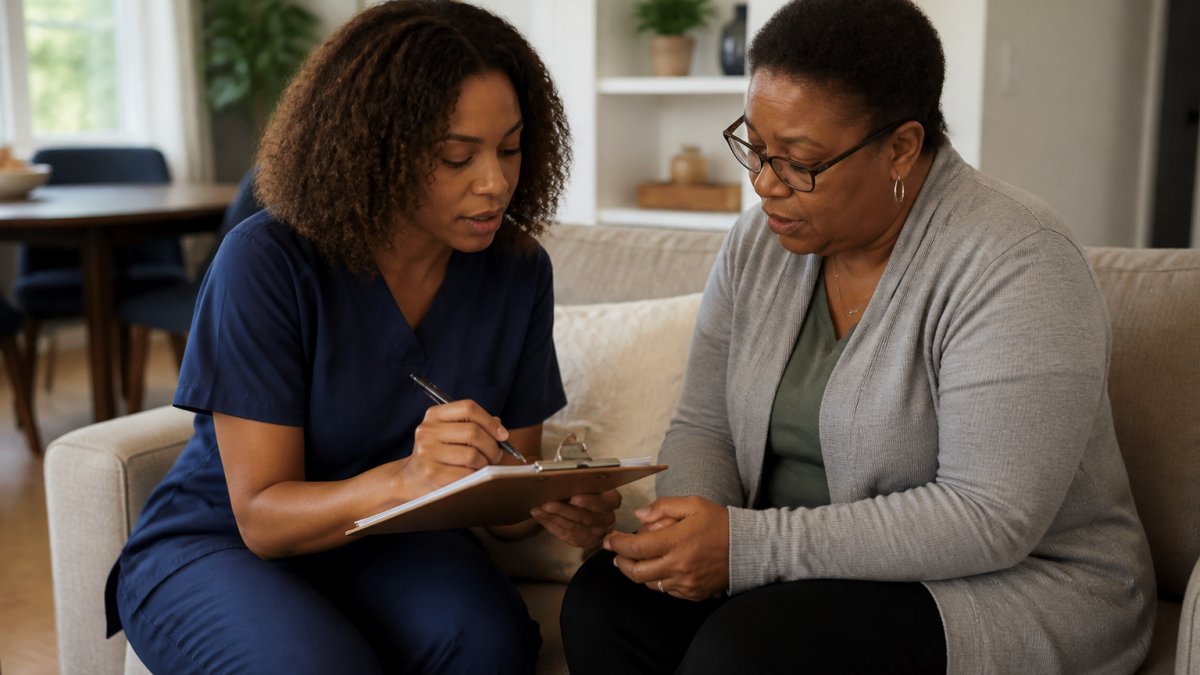
Before the Interview:
- Prepare a list of your loved one's specific health conditions and daily care needs
- Write down your family's schedule and availability requirements
- List any certifications or training you require
During the Interview:
- Ask about experience with your loved one's specific health condition
- Ask how they would handle an emergency scenario relevant to your loved one
- Ask about their approach to personal care, mobility assistance, or medication management (as relevant)
After the Interview:
- Check all references before making a final decision
- Verify certifications with the issuing organization if possible
- Review background check results
Caregiver Reference Check Questions to Ask Previous Employers
References are where you get honest feedback about a caregiver's actual performance.
When you call a reference, ask specific questions about their experience. Open-ended questions often get vague answers.
Questions for Previous Employers or Family Members:
-
How long did [caregiver name] work for you, and what was your loved one's primary care need? Listen for: How long they stayed (tenure signals reliability), and whether they had experience with your loved one's condition.
-
Was the caregiver reliable and consistent? Did they show up on time and as scheduled? Listen for: Specific examples. "Yes, she was always on time" is good. "She called once in two years to say she'd be late" is excellent. If the reference hesitates or gives a qualified answer, that's a concern.
-
How did the caregiver handle emergencies or unexpected situations? Listen for: Specific examples of how they responded. Did they stay calm? Did they communicate well? Did they know when to call for help?
-
Did your loved one seem comfortable with this caregiver? Did they build a good relationship? Listen for: Whether the caregiver showed warmth, patience, and respect. If the reference says their loved one looked forward to the caregiver's visits, that's a very good sign.
-
Were there any concerns or issues during the time the caregiver worked for you? Listen for: Honesty. Most references will mention at least one small issue if you ask directly. If they say "no issues ever," they may not be giving you the full picture. Small issues handled well are less concerning than no issues mentioned.
-
Why did the caregiver leave, and would you hire them again? Listen for: Whether they left on good terms and whether the reference would recommend them. If they say "yes, I'd hire them again," that's strong endorsement. If they hesitate or give a qualified answer, dig deeper.
-
What was the caregiver's biggest strength? Listen for: Specific qualities. "She was very patient with my mom's confusion" or "He was great at getting my dad to do his physical therapy" tells you something real. "She was nice" is vague.
-
What was one area where the caregiver could improve? Listen for: Honest feedback. Everyone has areas for growth. If a reference can't name anything, they may not be giving you candid feedback. A reference who says "She could be more proactive about asking questions" shows they're being thoughtful.
When you're checking references, also ask if you can speak with the family member directly, not just the agency coordinator. Family members often have the most detailed and honest perspective on how a caregiver actually performed.
What to Do If You Can't Reach a Reference:
If a caregiver can't provide references or the references don't return your calls, that's a concern.
Families in Ohio and North Carolina who want professional guidance through this process can reach out to Katys home healthcare.
Frequently Asked Questions
What specific caregiver interview questions should I ask about dementia care?
Ask how the caregiver has handled aggressive or confused behavior, what strategies they use to redirect a client, and how they stay calm under stress. Request examples of difficult situations they've managed. Listen for patience, problem-solving skills, and respect for the client's dignity. A strong answer shows experience de-escalating conflict and maintaining safety without force or frustration. Avoid candidates who describe clients as 'difficult' or who focus only on tasks rather than emotional connection.
How do I verify a caregiver's training and certifications?
Ask the caregiver to show you their CNA (Certified Nursing Assistant) or HHA (Home Health Aide) certification, or equivalent credential for your state. Request proof of CPR/First Aid certification and any specialized training in dementia care, wound care, or mobility assistance. Verify these credentials directly with the issuing body or agency rather than relying on copies alone. Ask about ongoing training and whether the caregiver stays current with recertification requirements. Professional caregivers keep their credentials current and can explain what each one covers.
What should I ask a home care agency about staffing consistency?
Ask whether the same caregiver will come each visit, what happens if that caregiver calls out, and how quickly a backup is provided. Request details about how caregivers are matched with clients and whether the agency prioritizes continuity of care. Ask how long caregivers typically stay with the agency and what turnover looks like. A reliable agency has a clear process for backup coverage and can commit to consistency. Agencies that cannot guarantee the same caregiver should have a small, trained pool of backups who know your loved one.
What are the most important red flags to watch for during a caregiver interview?
Red flags include vague answers about experience, inability to describe specific care tasks, reluctance to discuss emergencies, and poor communication skills. Watch for caregivers who seem impatient, dismissive of your loved one's needs, or unwilling to answer questions about boundaries and family involvement. Avoid anyone who cannot provide references or whose background check raises concerns. Trust your instinct: if the caregiver makes you or your loved one uncomfortable, keep looking. A good fit should feel professional, compassionate, and genuinely interested in your loved one's wellbeing.