 blog
Alternatives to Assisted Living for Dementia
Table of Contents
- Why Families Reconsider Assisted Living for Dementia
- In-Home Dementia Care as a Primary Alternative
- Memory Care Communities and Specialized Residential Options
- Adult Day Care for Dementia Patients
- Dementia Respite Care for Family Caregiver Relief
- Living with Family and Caregiver Support for Dementia
- Comparing Care Options: A Decision Framework
- Frequently Asked Questions
Last Updated: October 16, 2026
Why Families Reconsider Assisted Living for Dementia
When a parent or spouse receives a dementia diagnosis, the instinct is often to find a facility that can provide round-the-clock supervision. Assisted living communities seem like the logical choice. But families quickly discover that assisted living wasn't designed for the specific needs of dementia patients, which is why alternatives to assisted living dementia care have become increasingly popular.
The reality is that dementia care requires a different approach than standard assisted living. Dementia patients need staff trained in wandering prevention, de-escalation techniques for behavioral changes, and the patience to work with someone whose memory and reasoning are declining.
Each path works for different situations. The key is understanding what your loved one actually needs at their current stage of dementia, what your family can realistically sustain, and which setting delivers both safety and quality of life.
In-Home Dementia Care as a Primary Alternative
What In-Home Care Provides
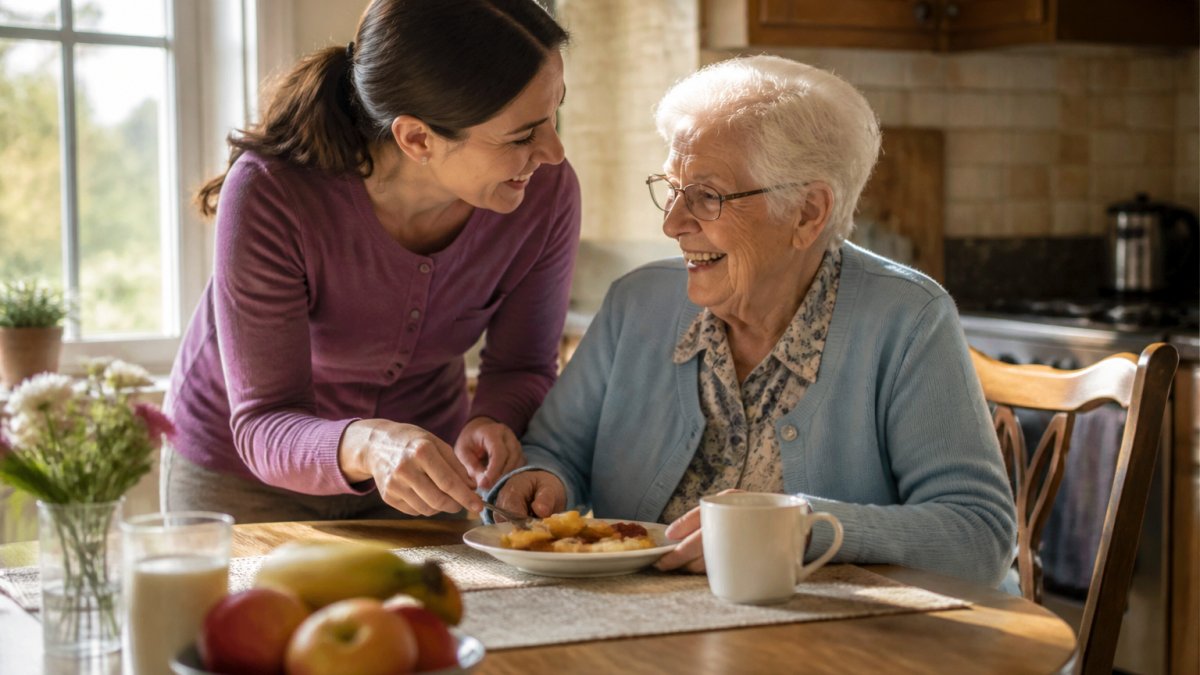
In-home dementia care places a trained caregiver directly in your loved one's familiar environment. This isn't just personal assistance with bathing and dressing. Dementia-trained caregivers provide supervision for safety, medication reminders, meal preparation, household management, and structured activities designed to slow cognitive decline.
The caregiver becomes familiar with your loved one's routines, preferences, and triggers. This consistency matters enormously for someone with memory loss. When the same person arrives each day, confusion decreases. When activities follow a predictable schedule, anxiety often lessens. For families, in-home care means your loved one stays in the home where they've lived for decades, surrounded by their belongings and memories.
In-home care also offers flexibility that facilities cannot match. If your mother sleeps poorly at 3 a.m., the caregiver adjusts. If she becomes agitated on certain days, the caregiver learns her patterns and adapts activities accordingly. If her needs change rapidly, you add hours or shift the focus within days, not months.
When Home Care Works Best
In-home care works best when the patient is in early to moderate dementia stages and the home environment can be made safe. It requires a committed family member who can oversee care, coordinate with the caregiver, and make medical decisions. It works when the patient's behavioral symptoms are manageable and don't require psychiatric intervention.
In-home care also depends on affordability and access. Pricing varies widely based on hours needed, location, and caregiver qualifications. For families with limited budgets, part-time in-home care combined with family caregiving often becomes the realistic option. For families with resources, 24/7 in-home care allows aging in place with maximum independence and dignity.
The limitation is that in-home care cannot provide the level of medical oversight that skilled nursing offers. If your loved one requires IV medications, wound care, or intensive rehabilitation, a skilled nursing facility becomes necessary.
Memory Care Communities and Specialized Residential Options
Memory care communities are residential facilities designed specifically for dementia and Alzheimer's disease patients. Unlike assisted living, memory care units feature secured environments that prevent wandering, staff trained in dementia-specific techniques, and activities designed around cognitive decline rather than independence.
A memory care community typically includes:
- Secured perimeter to prevent unsafe exits
- Staff trained in dementia care and de-escalation
- Structured daily activities and sensory therapies
- Medication management by trained personnel
- Meals and assistance with all activities of daily living
- Social engagement and peer community
- Monitoring for behavioral changes and health decline
Memory care works well for patients in moderate to advanced dementia stages, particularly those with significant behavioral symptoms like aggression, wandering, or severe confusion. The secured environment removes the constant vigilance that family caregivers need at home. The trained staff know how to respond when a patient becomes upset, refuses care, or doesn't recognize family members.
The trade-off is loss of home environment and increased cost compared to in-home care. Memory care also means your loved one is no longer in the familiar setting where they've built their life. Some families find this necessary for safety; others see it as a last resort.
Adult Day Care for Dementia Patients
Adult day care centers provide structured daytime supervision and activities for seniors with dementia. Your loved one attends several days per week while you work or manage other responsibilities. The center provides meals, activities designed for cognitive ability, social engagement, and health monitoring.
Adult day care serves several purposes. It gives family caregivers essential respite time. It provides the patient with social engagement and structured activity, which can slow cognitive decline and reduce behavioral problems.
Adult day care works best as part of a mixed care approach. A family caregiver manages evenings and nights while the day center handles daytime hours. This combination allows working adult children to keep a parent at home without bearing the full burden of daily care.
The limitation is that adult day care doesn't provide overnight supervision or the continuous presence that advanced dementia often requires. It also requires reliable transportation, which becomes difficult if the patient becomes resistant or anxious about leaving home.
Dementia Respite Care for Family Caregiver Relief
Respite care is short-term care that gives family caregivers a break. It might be a few hours weekly, a weekend monthly, or a week or two annually.
Family caregivers of dementia patients face extraordinary stress. The constant vigilance, the behavioral challenges, the emotional weight of watching someone decline, these exhaust even the most devoted family member. Respite care prevents caregiver burnout, which is a leading reason families eventually place loved ones in facilities. Regular respite actually helps families sustain home care longer.
Respite care also serves a practical function. It allows family caregivers to work, manage household responsibilities, attend medical appointments, or simply rest. Without respite, many family caregivers develop depression, anxiety, or health problems of their own.
The challenge is finding reliable respite care. Some facilities offer respite beds, but availability is limited. In-home respite requires finding a qualified caregiver, which takes time and vetting. Many families struggle to access respite care despite needing it urgently.
Living with Family and Caregiver Support for Dementia
Many families choose to keep a dementia patient at home with family caregiving as the primary approach, supplemented by professional in-home care. An adult child or spouse becomes the primary caregiver, often reducing work hours or leaving employment. They handle daily care, medication management, and decision-making. A professional caregiver provides relief during work hours or overnight supervision.
This approach preserves the home environment and allows the patient to remain with family. It costs less than full-time in-home care or residential facilities. For families with strong relationships and the capacity to manage caregiving, it can work well through early and moderate dementia stages.
Home Safety and Practical Modifications
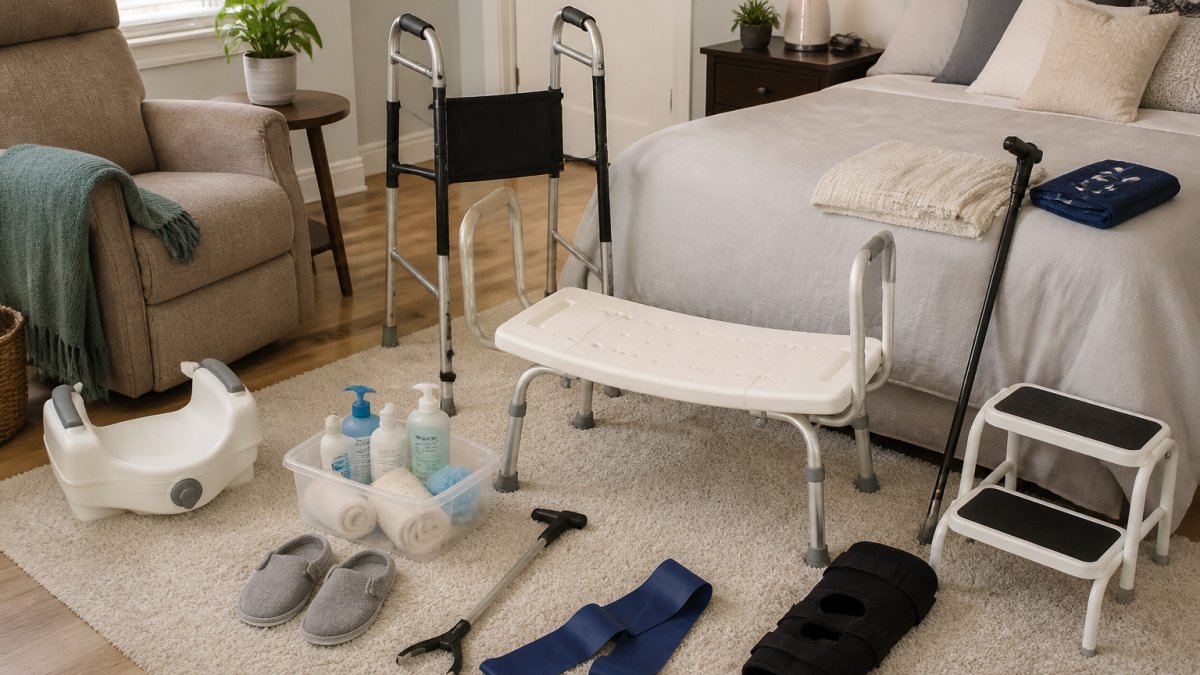
The home must be modified for dementia safety. This includes removing tripping hazards, securing medications and cleaning supplies, installing locks on doors to prevent wandering, improving lighting, adding grab bars in bathrooms, and removing or securing items that could be dangerous. A caregiver or family member must monitor constantly for hazards that a cognitively declining person might not recognize as dangerous.
Common modifications include:
- Door locks (top and bottom) to prevent unsupervised exits
- Secured stairways with gates
- Bathroom safety equipment (grab bars, shower chairs)
- Medication locked in a secure cabinet
- Removed or secured items (power tools, cleaning chemicals, knives)
- Improved lighting throughout the home
- Bedside commode or toilet seat riser for nighttime bathroom access
- Emergency alert system for wandering risk
These modifications make the home safer but require ongoing vigilance. A caregiver cannot assume the home is safe without constant attention.
Knowing When Family Care Reaches Its Limits
Family caregiving works until it doesn't. The signs appear gradually: the patient becomes aggressive or refuses care, the family caregiver's health declines, behavioral symptoms escalate beyond what one person can manage, or the patient's medical needs become complex.
Advanced dementia often brings behavioral symptoms that in-home caregiving cannot safely manage. A patient who becomes violent, sexually inappropriate, or dangerously impulsive may need the structured environment and trained staff of a memory care facility. A patient with advanced dementia who cannot communicate, eat independently, or control bodily functions may need skilled nursing care.
For family caregivers, the moment of truth comes when continuing at home means sacrificing their own health, job, or family relationships. This isn't failure. It's recognizing that the patient's needs have outgrown what family caregiving can safely provide.
Comparing Care Options: A Decision Framework
Choosing among alternatives to assisted living dementia options requires matching the patient's current needs, stage of disease, and family capacity to the right care setting.
| Care Option | Best For | Key Requirement | Primary Limitation |
|---|---|---|---|
| In-home care | Early to moderate dementia, patient wants to stay home, family can oversee | Safe home, family oversight, manageable behavior | Cannot provide skilled nursing, limited medical oversight |
| Memory care community | Moderate to advanced dementia, significant behavioral issues, wandering | Financial resources, acceptance of facility placement | Loss of home environment, higher cost than in-home care |
| Adult day care | Early dementia, patient needs structure and social engagement | Reliable transportation, family available for evenings/nights | Daytime only, doesn't work for advanced stages |
| Family caregiving + respite | Early to moderate dementia, strong family relationships | Family willing to be primary caregiver, access to respite | Caregiver burnout risk, limits for advanced dementia |
| Skilled nursing facility | Advanced dementia, complex medical needs, behavioral crisis | Medical complexity, need for 24/7 skilled care | Most restrictive setting, highest cost |
The decision depends on several factors:
Dementia stage. Early dementia often works with in-home care or adult day care. Moderate dementia may require more hours of in-home care or memory care. Advanced dementia typically requires memory care or skilled nursing.
Behavioral symptoms. If the patient is calm and cooperative, family caregiving or in-home care works. If behavioral symptoms are significant, memory care becomes necessary.
Family capacity. Can a family member be the primary caregiver? Can they access respite care? Do they have the physical and emotional stamina? Honest assessment here prevents crisis placement later.
Financial resources. In-home care and memory care both cost significantly. Medicaid may cover some services in some states, but eligibility varies. Family finances determine what's actually possible.
Patient preferences. When the patient can still communicate, their preferences matter. Many dementia patients express strong desire to stay home.
At Katys home healthcare, we provide the in-home support that allows family caregiving to continue safely.
Dementia care decisions are among the hardest families face.
Frequently Asked Questions
Can a person with dementia safely live at home instead of assisted living?
Many people with early to moderate dementia can remain at home safely with professional in-home care, family support, and home modifications. Safety depends on the person's stage of dementia, the caregiver's capacity, and available resources. Home care allows patients to maintain familiar routines and independence longer. As dementia progresses, supervision, medication management, and 24/7 assistance may become necessary. A care plan developed with a healthcare provider helps determine whether home care remains appropriate or if a residential setting becomes safer.
What is dementia respite care and how does it help family caregivers?
Dementia respite care provides temporary, short-term relief for family caregivers. This can include adult day programs, in-home respite services, or brief stays in residential facilities. Respite care allows primary caregivers to rest, handle personal matters, or prevent burnout while ensuring the person with dementia receives supervised care. Many family caregivers report that regular respite care helps them sustain caregiving for longer and reduces stress-related health problems.
How do I know when my family member with dementia needs more care than we can provide at home?
Signs that home care may no longer be sufficient include severe behavioral changes, wandering or elopement risk, inability to recognize family members, need for 24/7 supervision, aggressive behavior during care tasks, medication management becoming unsafe, or caregiver exhaustion affecting their health. If the primary caregiver is struggling physically or emotionally, or if activities of daily living cannot be safely managed at home, a higher level of care may be necessary. A healthcare provider or geriatric care manager can assess your loved one's needs and recommend appropriate options.
What are the cost differences between home care, adult day care, and memory care communities?
Cost varies significantly based on location, level of care needed, and the specific service. In-home care pricing depends on hours needed, caregiver qualifications, and whether care is part-time or 24/7. Adult day programs typically cost less than full-time residential care. Memory care communities involve residential fees that vary widely. Many families combine options, for example, part-time in-home care with adult day programs or respite care, to manage costs while meeting care needs. Create Account for current pricing and explore Medicaid, veterans benefits, or insurance coverage options.