 blog
Is In-Home Skilled Nursing Worth It for Seniors
Table of Contents
- What In-Home Skilled Nursing Includes for Seniors
- Skilled Nursing at Home vs Nursing Home: Key Differences
- Cost of In-Home Skilled Nursing and Insurance Coverage
- Who Qualifies for Home Health Care
- How Long Does Home Health Care Last
- Real Benefits of Aging in Place With Professional Support
- When In-Home Care May Not Be the Right Choice
- Making Your Decision: What Matters Most
- Frequently Asked Questions
Last Updated: October 15, 2026
What In-Home Skilled Nursing Includes for Seniors
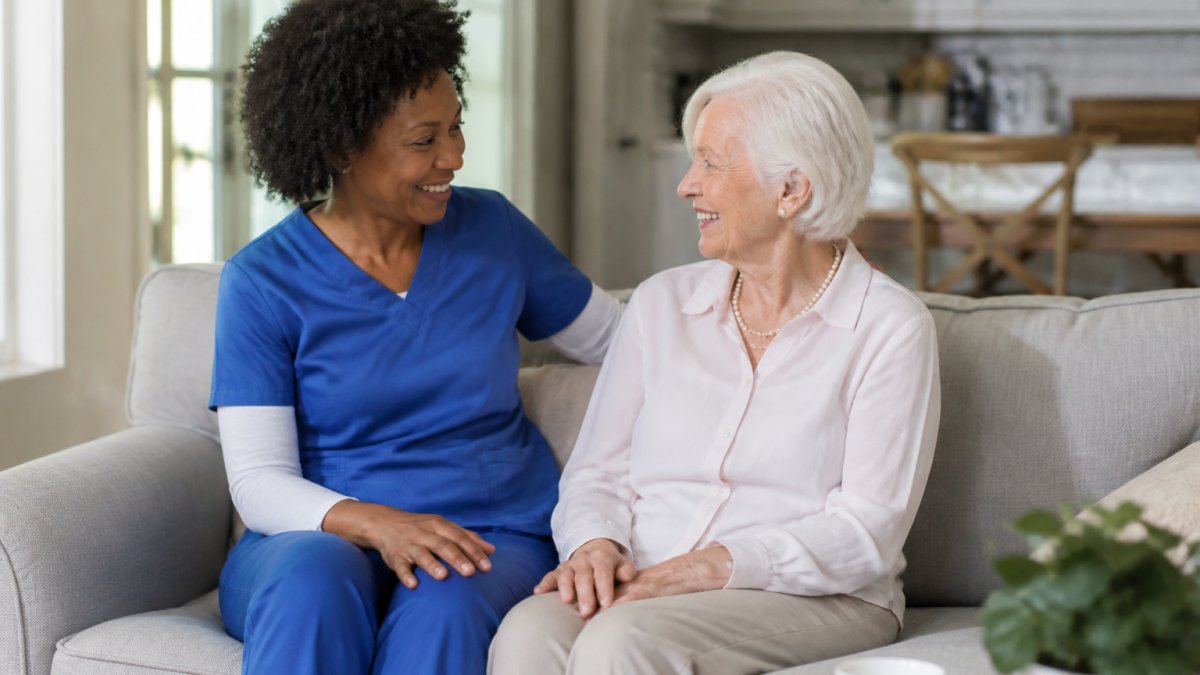
In-home skilled nursing provides medical care delivered by licensed nurses in your home. This includes wound care, medication management, physical therapy, and monitoring of chronic conditions. The care is designed to help seniors recover from surgery, manage complex health needs, or age in place with professional support.
Skilled nursing at home covers several key services:
- Wound dressing and care
- Medication administration and management
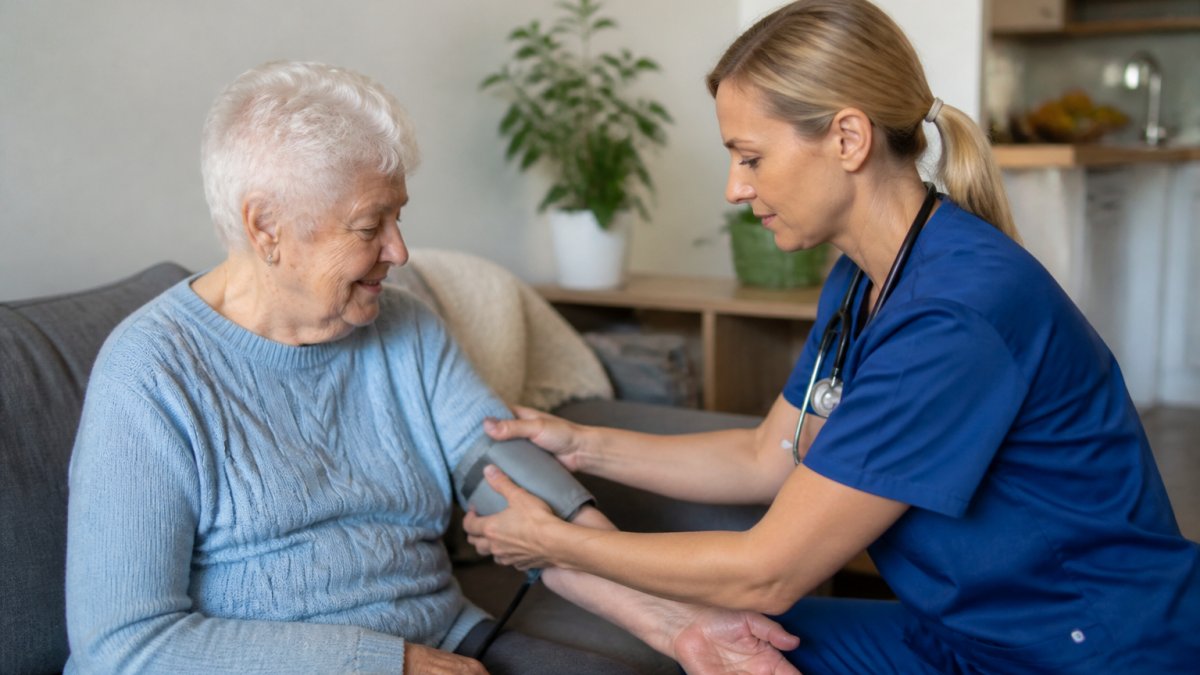
- Vital sign monitoring (blood pressure, heart rate, oxygen levels)
- Catheter and feeding tube care
- Physical and occupational therapy
- Speech therapy for swallowing or communication issues
- Post-hospitalization recovery support
- Chronic disease management
The difference between in-home skilled nursing and basic personal care matters. Skilled nursing requires a licensed nurse. Personal care assistants handle bathing, dressing, and meal prep. Many seniors need both types of support working together.
At Katys home healthcare, we provide dedicated, 24/7 home care services designed to improve the quality of life for patients in Ohio and North Carolina. Our seasoned team of passionate caregivers is committed to prioritizing client health, wellness, and independence.
Skilled Nursing at Home vs Nursing Home: Key Differences
The choice between in-home skilled nursing and a nursing home depends on your medical needs, home environment, and personal preferences. Both provide professional care, but the setting and scope differ significantly.
In-home skilled nursing means a licensed nurse visits your home for scheduled appointments. You remain in your own environment with family nearby. The nurse focuses on specific medical tasks and recovery goals. Visits typically last 1-2 hours, several times per week, though frequency depends on your condition.
Nursing home care means moving to a facility where staff are on-site 24/7. You have access to immediate help if something goes wrong. The facility handles meals, housekeeping, and social activities.
Key differences:
| Factor | In-Home Skilled Nursing | Nursing Home |
|---|---|---|
| Setting | Your home | Medical facility |
| Supervision | During scheduled visits | 24/7 on-site staff |
| Medical complexity | Moderate to high | Any level |
| Family involvement | Central | Limited by facility rules |
| Cost structure | Per-visit or hourly | Monthly facility fee |
| Flexibility | High, adjust schedule as needed | Fixed daily routine |
| Home safety | You manage | Facility maintains |
In-home skilled nursing works well if you have a safe home, family support, and don't need constant monitoring. Nursing homes are better if you live alone, have advanced dementia, or need immediate help at any hour.
Cost of In-Home Skilled Nursing and Insurance Coverage
The cost of in-home skilled nursing varies based on visit frequency, duration, and your location. Pricing depends on how often you need care and how long each visit lasts.
Insurance coverage shapes what you actually pay. Medicare covers skilled nursing at home if a doctor orders it and you meet eligibility requirements (Home Health Services). You typically pay a copay per visit after meeting your deductible.
Medicaid coverage differs by state. Both Ohio and North Carolina cover in-home skilled nursing for eligible seniors, but income and asset limits apply. Contact your state Medicaid office for current thresholds.
If you're paying out of pocket, ask your provider about:
- Hourly rates versus per-visit fees
- Discounts for longer-term care commitments
- Flexible scheduling options
- What's included in each visit
Katys home healthcare serves seniors in Ohio and North Carolina with care designed to fit your needs. Contact us for a consultation to understand your coverage options and what home care would cost in your situation.
Who Qualifies for Home Health Care
A doctor must order in-home skilled nursing. You cannot arrange it on your own. Your physician determines whether home care is medically necessary and appropriate for your condition.
Common reasons doctors order home health care:
- Recovery from surgery or hospitalization
- Management of wounds that need professional dressing
- Post-stroke or cardiac rehabilitation
- Chronic conditions requiring monitoring (diabetes, heart disease, COPD)
- Physical therapy after injury
- Management of complex medication regimens
- Wound care for pressure ulcers or surgical sites
Medicare requires that you be "homebound", meaning leaving home requires significant effort due to illness or disability (Home Health Services). You don't need to be completely unable to leave, but your condition must make travel difficult.
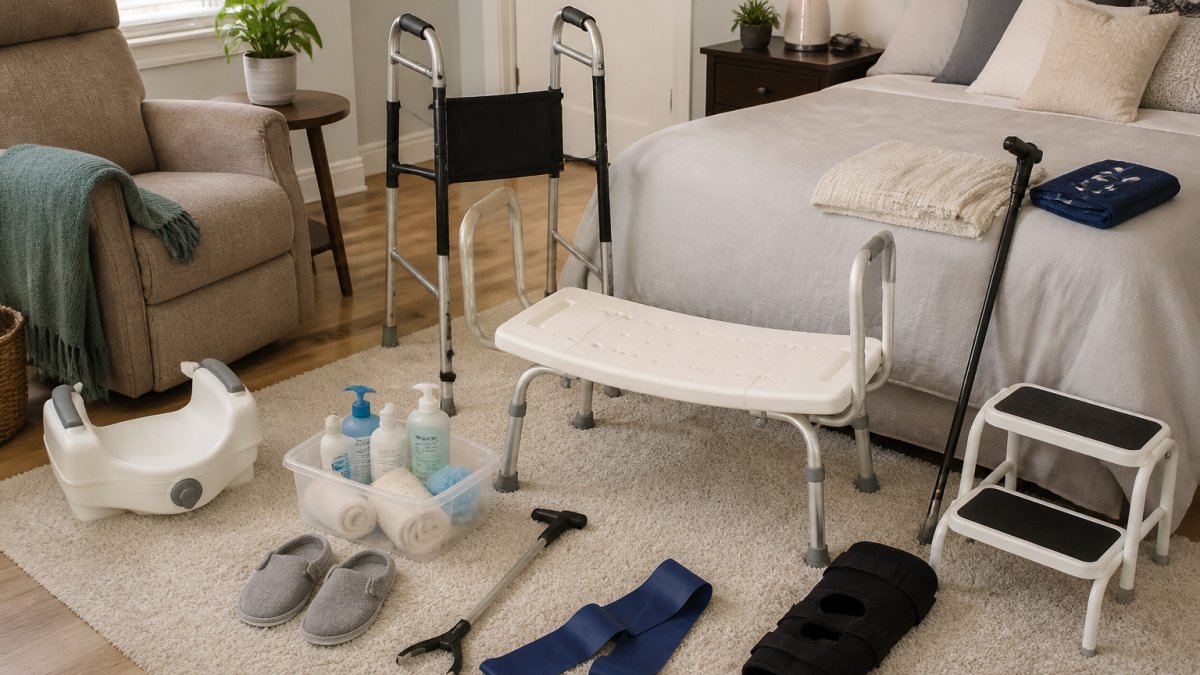
The home itself must be safe for nursing visits. If your home has major safety issues (no running water, severe clutter, unsafe stairs), the nurse may decline visits or recommend modifications.
Your support system matters too. If you live alone and have no family nearby, in-home skilled nursing may not be enough. You might need additional personal care support or a different care arrangement.
Ask your doctor these questions:
- Do I qualify for home health care based on my condition?
- How often should I receive visits?
- How long will I need this care?
- Will my insurance cover it?
- What should I prepare at home?
How Long Does Home Health Care Last
The length of in-home skilled nursing depends on your recovery progress and medical needs. There's no set timeframe, it varies completely based on your situation.
Short-term care typically lasts 2-12 weeks. This covers post-surgery recovery, rehabilitation after hospitalization, or acute illness management. Once you regain function or stabilize, visits taper off and stop.
Long-term care continues indefinitely for chronic conditions. Seniors managing heart disease, diabetes, or other ongoing health issues may receive visits weekly or monthly for years. The frequency and duration adjust as your condition changes.
Your nurse and doctor review progress regularly. If you're improving and becoming more independent, visits decrease. If your condition worsens, visits increase.
Factors that affect duration:
- How quickly you recover from surgery or illness
- Your ability to follow medical instructions at home
- Whether complications develop
- Changes in your living situation or support system
- Your overall health trajectory
Expect your care plan to be reassessed every 30 days. This keeps the focus on your actual needs rather than a predetermined schedule.
Real Benefits of Aging in Place With Professional Support
Aging in place means staying in your home as you grow older, with professional support as needed.
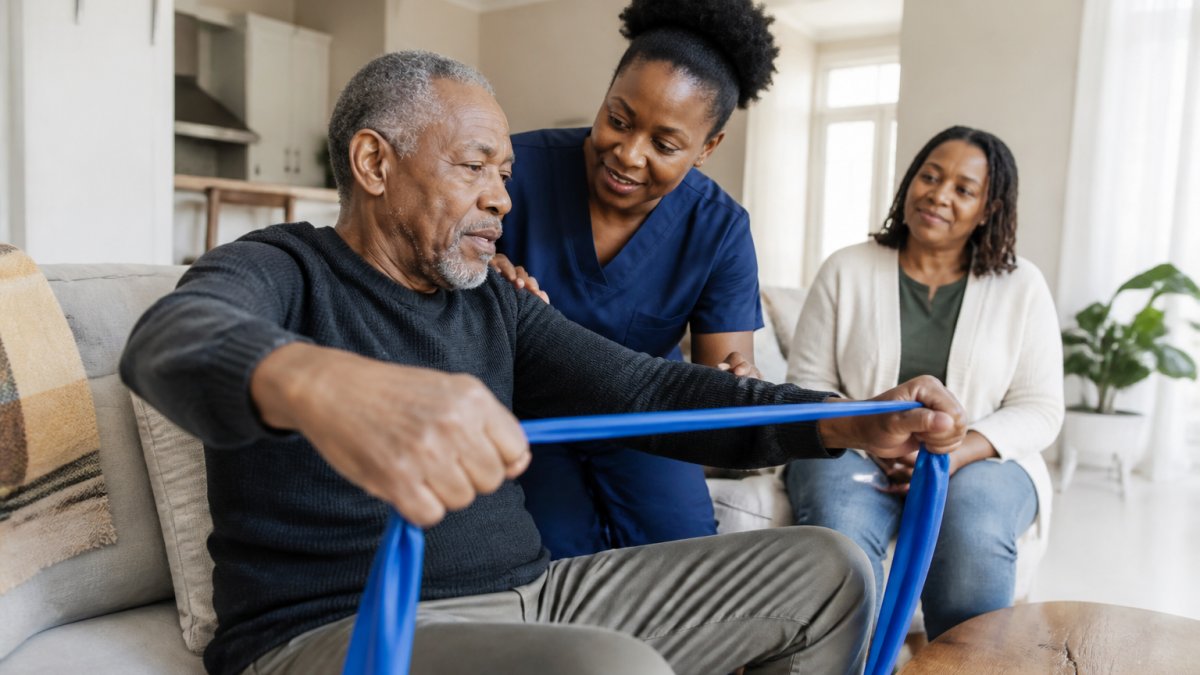
The benefits are real and measurable:
Independence and dignity. You make decisions about your daily routine. You eat when you want, spend time how you choose, and maintain control over your environment. Professional support helps you stay capable longer.
Familiar surroundings. Your home holds memories and meaning. Staying there reduces stress and confusion, especially important for seniors with cognitive decline. Comfort matters for healing.
Family involvement. Loved ones can participate in care without facility visiting hours or restrictions. They see you regularly and stay connected to your recovery.
Lower infection risk. You're not exposed to hospital-acquired infections or facility germs. Your home environment is familiar to your immune system.
Better outcomes for some conditions. Seniors recovering from hip surgery or cardiac events often progress faster at home with family support and familiar routines.
Cost effectiveness. For many seniors, part-time skilled nursing at home costs less than full-time facility care.
The key is honest assessment. Aging in place works if:
- Your home is safe and accessible
- You have family or friends who can help between nursing visits
- Your medical needs can be managed with scheduled visits, not 24/7 supervision
- You're motivated to participate in your own recovery
Katys home healthcare has supported seniors across Ohio and North Carolina in aging at home for over a decade.
When In-Home Care May Not Be the Right Choice
In-home skilled nursing isn't the right fit for everyone.
In-home care may not work if:
You need 24/7 supervision. Advanced dementia, severe behavioral issues, or unstable medical conditions require constant monitoring. A nurse visiting three times per week cannot provide this. A facility with on-site staff is safer.
Your home is unsafe. Stairs you cannot navigate, no accessible bathroom, poor heating or cooling, or inadequate space for equipment create risks.
You live alone with no support system. Between nursing visits, you need someone to help with meals, medications, mobility, and emergencies.
Your medical needs are too complex. Multiple medications with dangerous interactions, unstable vital signs, or conditions requiring immediate intervention need facility-level monitoring.
Caregiver burnout is happening. Family members providing support between visits become exhausted, resentful, or unable to help.
You're not progressing. If weeks of home care show no improvement in function or independence, the setting may not be supporting your recovery.
Be honest with yourself and your doctor. The goal is the best possible outcome, not forcing home care to work when it won't.
Making Your Decision: What Matters Most
Choosing between in-home skilled nursing and other care options requires clear thinking about your specific situation.
Step 1: Get medical guidance. Talk to your doctor about what level of care your condition requires.
Step 2: Assess your home. Walk through your house honestly. Can a nurse access the bedroom and bathroom?
Step 3: Evaluate your support system. Who will be home between nursing visits? Can they help with meals, medications, and mobility?
Step 4: Understand your finances. Get a cost estimate from your insurance and from home care providers.
Step 5: Discuss honestly with family. Have a real conversation about expectations, limitations, and what happens if home care isn't working.
The best decision is the one that keeps you safe, supports your recovery, and doesn't break your family.
If you're considering in-home skilled nursing in Ohio or North Carolina, Katys home healthcare can help you evaluate whether it's the right fit. We work with your doctor and family to create a care plan that prioritizes your health, independence, and quality of life. Learn about Medicare's home health care coverage to understand your insurance options, and contact us for a consultation to discuss your specific situation and what home-based care could look like for you.
Frequently Asked Questions
What does in-home skilled nursing include for seniors?
In-home skilled nursing includes medical care provided by registered nurses or licensed practical nurses, such as wound care, medication management, catheter care, and post-operative monitoring. Services also include physical therapy, occupational therapy, and speech therapy for rehabilitation. These services are designed to address each senior's specific medical needs, ensuring continuous monitoring and adjustment as recovery progresses or chronic conditions change.
How is in-home skilled nursing different from nonmedical home care?
Skilled nursing involves licensed medical professionals performing clinical tasks that require nursing expertise, such as injections, wound dressing, and medication oversight. Nonmedical home care focuses on activities of daily living like bathing, dressing, meal preparation, and light housekeeping, typically provided by home health aides without medical licensing. Skilled nursing is medically necessary and often covered by insurance, while nonmedical care is usually a personal expense. Many seniors benefit from both services working together.
Does insurance cover in-home skilled nursing care?
Medicare covers skilled nursing care at home when ordered by a physician for acute recovery or complex medical needs, provided the senior is homebound and meets specific eligibility criteria. Coverage typically includes nursing visits, therapy services, and medical equipment. Medicaid coverage varies by state and eligibility. Private insurance policies may also cover skilled home health services. Coverage duration and the number of visits depend on medical necessity and your plan. Contact your insurance provider or a care coordinator to verify your specific coverage and any out-of-pocket costs.
Who qualifies for skilled home health care?
Seniors qualify for skilled home health care when a physician determines they need medically necessary services that can be safely provided at home. Common qualifying conditions include recovery from surgery or hospitalization, management of chronic illnesses like heart disease or diabetes, wound care needs, physical or occupational therapy for mobility recovery, and complex medication management. The senior must be homebound or have difficulty leaving home without assistance. A healthcare provider evaluates your specific medical situation to determine eligibility and the appropriate level of care.