 listicle
10 Signs Professional Home Care Is Needed
Table of Contents
- Signs Professional Home Care Is Needed: Beyond the Obvious
- Struggling with Activities of Daily Living (ADLs)
- Declining Hygiene and Household Management
- Frequent Falls and Mobility Issues
- Memory Loss, Confusion, and Medication Mismanagement
- Poor Nutrition, Weight Loss, and Social Withdrawal
- Caregiver Burnout: A Sign Your Family Needs Respite
- How to Talk to Parents About Home Care
- Frequently Asked Questions
Last Updated: September 9, 2026
Signs Professional Home Care Is Needed: Beyond the Obvious
Recognizing the signs professional home care is needed often arrives as a slow, unsettling realization rather than a single event. A parent who once managed everything now struggles with the laundry, or a once-vibrant social calendar has emptied out completely. Many families wait until a crisis, like a fall or a hospitalization, forces a decision, but identifying the quieter indicators earlier can preserve a senior's independence and dignity for far longer. At Katys home healthcare, we've spent over a decade helping families in Ohio and North Carolina navigate this transition, and we've learned that the most reliable signals are often the ones families are hesitant to admit they see.
Professional home care is a service that brings trained caregivers into a person's residence to assist with daily tasks, personal care, and health monitoring, allowing seniors to age in place safely. The goal is not to take over a person's life, but to provide the right level of support so they can maintain their routines and their home. Below, we'll walk through the ten most telling signs that it's time to consider this kind of help, and we'll finish with a practical guide for starting the conversation with a resistant parent.
Struggling with Activities of Daily Living (ADLs)
The most fundamental measure of independence is a person's ability to perform Activities of Daily Living, often abbreviated as ADLs. These are the basic self-care tasks that include bathing, dressing, toileting, transferring from bed to chair, and maintaining continence. When a senior begins to struggle with these, it's a clear signal that the home environment is no longer safe without support.
Bathing, Dressing, and Toileting
Bathing is frequently the first ADL to become difficult. The fear of slipping in a wet tub, the physical effort of stepping over the edge, and the exhaustion of standing for a shower can lead a person to bathe less and less frequently. Dressing can be equally challenging, with buttons, zippers, and overhead shirts becoming formidable obstacles for someone with arthritis or reduced range of motion. Toileting issues, including incontinence or difficulty getting on and off the toilet, are often the most distressing for seniors and the most likely to be hidden from family members.
When a loved one needs help with these intimate tasks, it's rarely something a family member can manage alone without significant strain. A professional home health aide is trained to provide this assistance with dignity and discretion, helping to maintain the senior's hygiene and self-esteem. If you notice your parent avoiding baths, wearing the same clothes repeatedly, or having accidents they try to hide, it's time to have an honest conversation about getting help.
Declining Hygiene and Household Management
Beyond basic self-care, there are the Instrumental Activities of Daily Living, or IADLs, which are the more complex tasks required to live independently. These include managing finances, transportation, shopping, meal preparation, and housekeeping. Difficulties with IADLs often appear before problems with ADLs, making them an early warning system for cognitive or physical decline.
A decline in personal hygiene, such as unwashed hair, body odor, or unkempt nails, is a visible sign that a person is struggling. Similarly, a home that was once immaculate but is now cluttered, with unwashed dishes, overflowing trash, or spoiled food in the refrigerator, suggests that the physical energy or cognitive capacity for household management has diminished. This isn't about a temporary mess; it's a sustained pattern of the home becoming an unsafe or unsanitary environment. A caregiver can take over these tasks, providing light housekeeping, laundry, and meal preparation, which not only improves safety but also restores a sense of order and calm to the senior's life.
Frequent Falls and Mobility Issues
Falls are a leading cause of injury among older adults, and a single fall can be a life-altering event that leads to a loss of independence. Mobility issues, such as a shuffling gait, difficulty rising from a chair, or needing to hold onto walls for balance, significantly increase the risk of a fall. If your parent has had one fall, the risk of another is substantially higher, and the consequences can be severe.
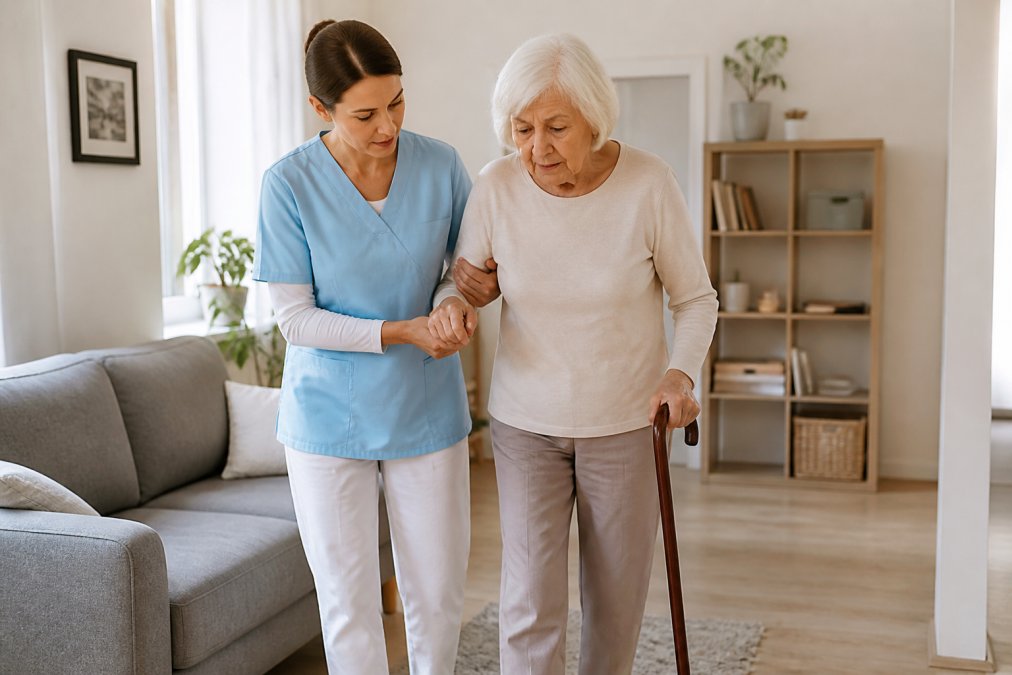
A home safety assessment is a critical first step, but it only addresses the environment, not the person's physical limitations. Professional caregivers are trained in fall prevention techniques, including proper transfer assistance and gait support. They can accompany a senior on walks, provide steadying support during transfers, and ensure that the path from bedroom to bathroom is clear and safe. If you notice new bruises, a fear of walking, or a sudden reluctance to move around the house, these are signs that mobility has become a safety issue that needs professional attention.
Memory Loss, Confusion, and Medication Mismanagement
Cognitive decline, including memory loss and confusion, is one of the most challenging signs for families to confront. It might start with missed appointments, difficulty following a recipe, or getting lost in familiar places. More concerning are signs of confusion about time, place, or people, which can put a senior at risk when left alone. This is often where the question of dementia or cognitive impairment arises, and a professional assessment is crucial.
One of the most dangerous consequences of cognitive decline is medication mismanagement. Forgetting to take a dose, taking a double dose, or mixing up pills can have serious health consequences, especially for seniors managing multiple chronic conditions. Medication adherence is a core responsibility of home care providers. Caregivers can provide medication reminders, organize pill boxes, and ensure that medications are taken correctly and on schedule. If you find expired medications in the cabinet, half-empty pill bottles from months ago, or if your parent is confused about their medication regimen, professional support is urgently needed. This level of oversight is a key part of chronic illness management and can prevent hospitalizations.
Poor Nutrition, Weight Loss, and Social Withdrawal
A decline in nutrition is a physical sign that often has both physical and social roots. Cooking for one is unappealing, and the energy required to plan, shop, and prepare a meal can be overwhelming. A senior might rely on toast and tea, skip meals entirely, or forget to eat. Unexplained weight loss, an empty refrigerator, or a pantry full of expired food are all red flags for nutritional deficiency.
Social isolation is a quieter but equally damaging issue. A senior who has lost a spouse, can no longer drive, or feels embarrassed by their physical limitations may withdraw from friends and community. This social withdrawal can accelerate both cognitive and physical decline. Professional home care provides more than just physical assistance; it offers companionship. A caregiver can share meals, engage in conversation, and provide transportation to social events, which directly combats the loneliness that so often accompanies aging. Maintaining that social connection is vital for senior health and emotional well-being.
Caregiver Burnout: A Sign Your Family Needs Respite
Sometimes, the clearest sign that professional home care is needed isn't about the senior at all; it's about the family caregiver. Caregiver burnout is a state of physical, emotional, and mental exhaustion that occurs when a family member takes on the demanding role of caring for an aging parent without adequate support. It manifests as irritability, fatigue, sleeplessness, and even resentment toward the person being cared for.
If you, as the primary caregiver, are feeling exhausted, are neglecting your own health, or are snapping at your parent, this is a signal that the current arrangement is unsustainable. Providing care around the clock is not a single-person job. Professional respite care can step in to give family caregivers a much-needed break, allowing them to rest, attend to their own families, and recharge. This isn't a failure; it's a necessary step to ensure that the care being provided is of high quality and that the family relationship isn't destroyed by the stress of caregiving. The National Institute on Aging provides resources on recognizing caregiver burnout and finding support, emphasizing that respite is a critical component of sustainable care.
How to Talk to Parents About Home Care
This is often the hardest part. The conversation about hiring home caregivers for stubborn seniors requires immense patience, empathy, and strategy. The natural reaction for a parent is to hear, "You think I can't take care of myself," which triggers defensiveness and resistance. The goal is to reframe the discussion from a loss of independence to a gain in support and safety.
Start by focusing on your own feelings and concerns, using "I" statements instead of "you" statements. For example, say, "I worry about you living alone since I can't be here every day," rather than, "You can't be left alone anymore." Frame it as a solution to a problem they acknowledge, such as, "I know you hate asking the neighbors for help with the groceries. What if we found someone to do that for you?" This approach, recommended by the Family Caregiver Alliance, reduces the feeling of being managed.
It's also wise to involve the senior in the decision-making process. Ask them what they want help with and let them meet potential caregivers. The cultural and emotional resistance to care is often rooted in a fear of strangers and a loss of autonomy. Acknowledging this fear directly, and emphasizing that they will remain in control of their home and their schedule, can ease the transition. Many agencies offer the opportunity to meet a caregiver before services begin, which can be a turning point for a hesitant parent.
Financial concerns are another significant barrier. It's important to have a clear discussion about the costs of care and how it will be paid for. Options vary, and navigating insurance and long-term care financing can be complex. Resources like the National Council on Aging's benefits check-up can help families identify programs they may be eligible for. By addressing the financial reality head-on, you can move from a vague fear to a concrete plan.
| Sign to Watch For | What It Looks Like | How Home Care Helps |
|---|---|---|
| Difficulty with ADLs | Struggling to bathe, dress, or use the toilet | Aide provides private, dignified personal care |
| Declining Hygiene & Housework | Unkempt appearance, cluttered or unsanitary home | Light housekeeping, laundry, and personal grooming support |
| Frequent Falls & Mobility Issues | Shuffling gait, fear of walking, unexplained bruises | Fall prevention, transfer assistance, and gait support |
| Memory Loss & Confusion | Missed appointments, disorientation, medication errors | Medication reminders and structured daily routine |
| Poor Nutrition & Withdrawal | Weight loss, empty fridge, loss of interest in friends | Meal preparation, companionship, and social engagement |
| Caregiver Burnout | Family caregiver exhausted, irritable, or unwell | Respite care provides family members a necessary break |
Deciding to bring professional help into the home is a significant step, but it is often the very thing that allows a senior to remain there. It is a decision rooted in love and a commitment to quality of life.
At Katys home healthcare, we understand that this process is about more than just meeting physical needs; it's about preserving the spirit and independence of your loved one. Our dedicated team provides 24/7 support with a focus on higher quality of life and improved health and wellness, all within a calm and supportive environment. With over a decade of experience serving families in Ohio and North Carolina, we create care plans that help your parent regain their ability to perform daily activities while giving you the peace of mind that comes from knowing they are safe. Get started with Katys home healthcare and give your family the support it deserves.
Frequently Asked Questions
What are the early warning signs that a senior needs help at home?
Early signs include missed meals, unpaid bills, a cluttered or dirty home, noticeable weight loss, and a sudden drop in personal grooming. You may also spot bruises from falls or smell stale food in the fridge. If daily tasks like bathing, dressing, or walking have become visibly harder, a professional home care assessment can clarify how much support is actually needed.
How do you approach a stubborn senior about hiring home care?
Start the conversation from a place of concern, not criticism. Use "I" statements and focus on specific observations, like "I worry when I see you struggling to carry the laundry." Frame home care as a way to preserve their independence, not take it away. Suggest a trial period of a few hours per week to lower the stakes and let them build trust with a caregiver.
What is the difference between companion care and skilled nursing care?
Companion care focuses on non-medical support like conversation, meal preparation, light housekeeping, and transportation to appointments. Skilled nursing care involves clinical tasks such as wound care, medication management, and monitoring vital signs, and is typically ordered by a physician. Many seniors need a combination of both, and a professional agency can help coordinate the right level of care based on an activities of daily living assessment.
What safety hazards should I look for in an aging parent's home?
Walk through the home at eye level and look for loose rugs, cluttered walkways, poor lighting, and the absence of grab bars in the bathroom. Check if frequently used items are stored on high shelves. A home safety assessment by a care professional can identify fall risks you might miss and recommend simple modifications to support safe aging in place.